

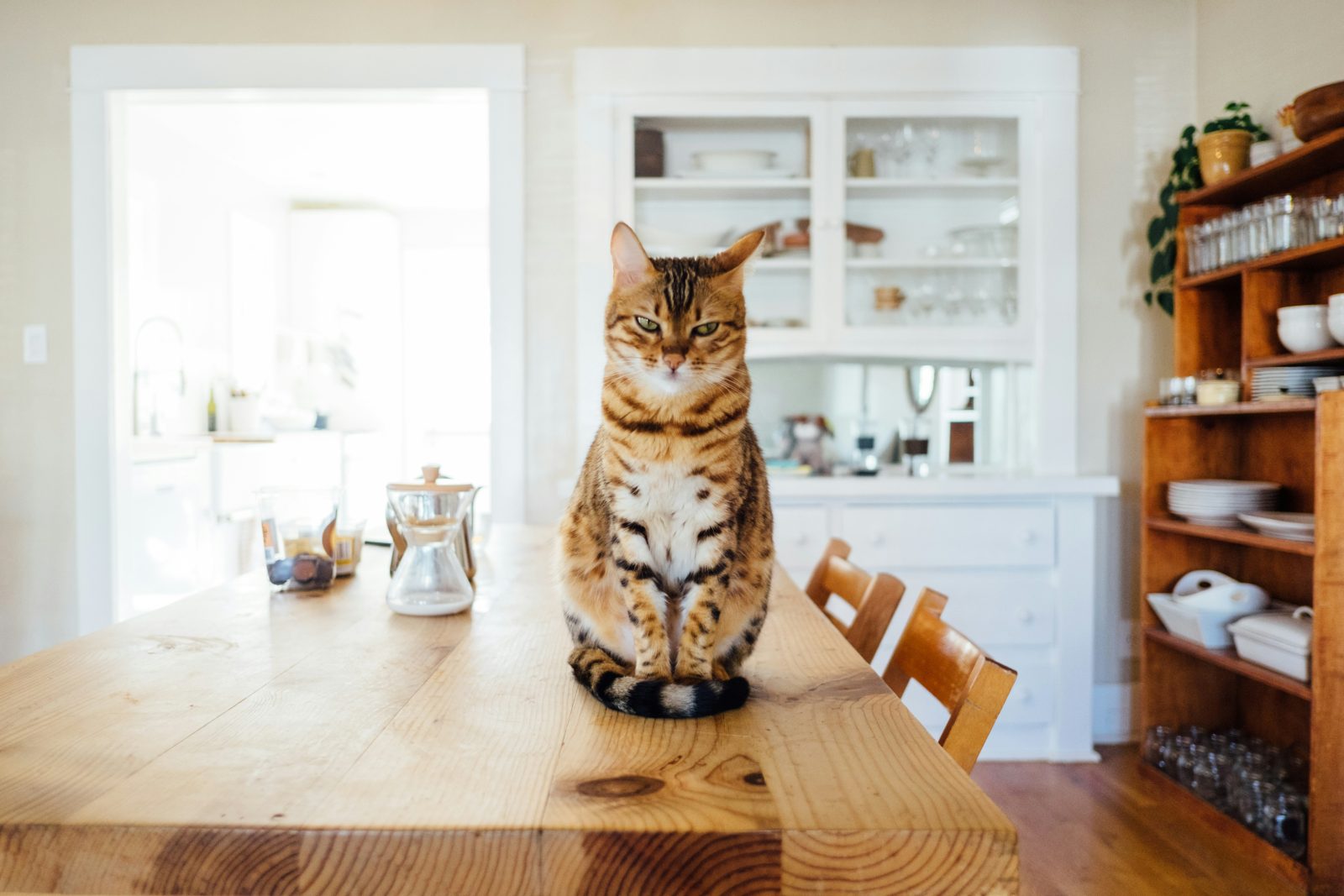

Anyone who shares a home with a cat knows feeding time is rarely simple.
Some cats demand dinner loudly. Others quietly inspect the bowl before deciding whether the meal meets their standards. Some prefer company while eating, while others want complete peace and privacy.
According to pet experts, these behaviours are about far more than attitude. A cat’s eating habits are closely connected to instinct, routine and environment.
Why cats can be picky about food and feeding routines
Unlike dogs, cats are naturally solitary hunters. In the wild, they eat multiple small meals throughout the day rather than one large feeding session.
This instinct still influences domestic cats today, which helps explain why many cats:
- Graze throughout the day
- Prefer smaller portions
- Return to the bowl regularly
- React strongly to routine changes
- Develop specific feeding preferences
Cats also rely heavily on their sense of smell, meaning aroma often matters as much as taste.
Texture, freshness and even food temperature can influence whether a cat happily eats or completely rejects a meal.
Cats are highly sensitive to environmental changes
According to Dr Jan, consulting veterinarian to Pamper, feeding behaviour often reflects a cat’s emotional comfort and confidence.
“Cats are creatures of habit, but they are also highly individual,” says Dr Jan.
“Their behaviour around food can tell us a lot about their confidence, comfort and routine.”
Even small changes can affect how a cat approaches mealtime, including:
- Moving the food bowl
- Household noise
- Other pets nearby
- New feeding routines
- Different bowls or food textures
Create a calm and consistent feeding environment
Experts say consistency is one of the most important ways to support healthy feeding habits.
Keep feeding routines predictable
Cats generally feel safer when meals happen at regular times each day.
Keeping the same:
- Feeding location
- Bowl type
- Routine
- Schedule
can help reduce stress around mealtimes.
Choose a quiet feeding space
Cats often prefer eating in calm, low-traffic areas away from:
- Loud noises
- Busy walkways
- Litter trays
- Other pets
A peaceful environment helps many cats feel more secure while eating.
Pay attention to texture and smell
If a cat suddenly becomes fussy, the issue may not be flavour alone.
Cats are often highly sensitive to:
- Food aroma
- Texture changes
- Freshness
- Temperature
Understanding these preferences can help improve feeding experiences for more selective eaters.
Respect your cat’s personality during mealtimes
Some cats enjoy interaction while eating, while others prefer complete independence.
Experts recommend observing your cat’s behaviour rather than forcing interaction during feeding.
“Some cats enjoy company while they eat, while others prefer space,” says Dr Jan.
“Watch your cat’s behaviour and let them guide the routine.”
Sudden appetite changes should not be ignored
Changes in eating behaviour can sometimes signal underlying health issues.
Pet owners should monitor:
- Appetite loss
- Eating too quickly
- Avoiding food
- Sudden changes in routine
- Behaviour shifts around feeding
If changes continue, veterinarians recommend seeking professional advice.
Feeding is about more than food
According to Pamper, mealtimes are also moments of connection between cats and their owners.
Whether a cat is:
- A dramatic dinner announcer
- A quiet grazer
- A fussy eater
- The self-appointed ruler of the kitchen
A calm and supportive feeding routine helps reinforce comfort, trust and wellbeing.
Because for cats, feeding is rarely only about food. It is instinct, routine and a little bit of cattitude.











Leave a comment