

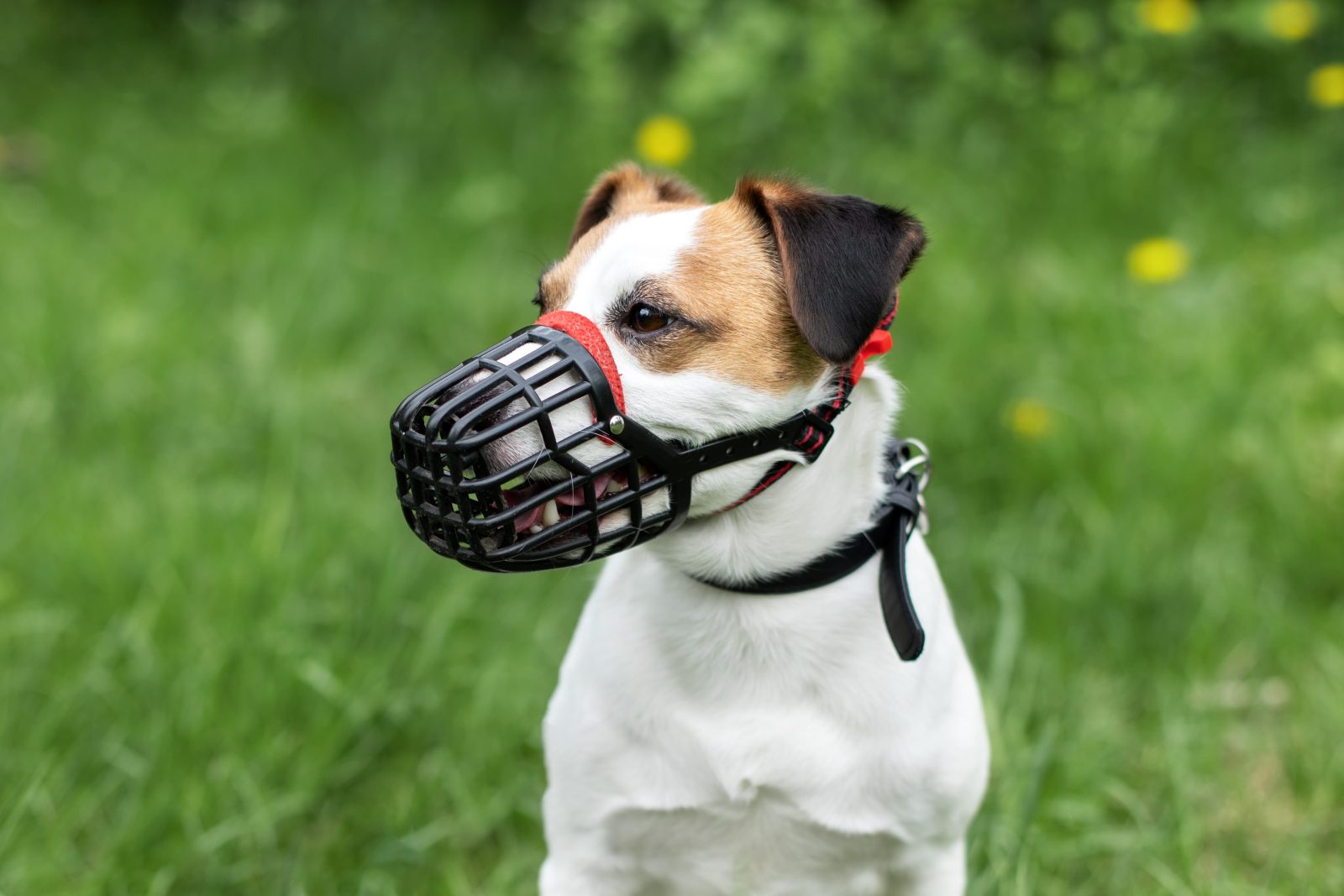

When many people see a dog wearing a muzzle, they immediately assume the animal is aggressive or dangerous.
According to certified animal behaviourist Nancy Payne, owner of Bark to Basics, that couldn’t be further from the truth.
“Muzzles are one of the most misunderstood tools in my doggy toolkit,” says Payne.
Rather than being a sign of aggression, a muzzle is often used to keep dogs, their owners and veterinary professionals safe during stressful situations.
Any dog can bite under the right circumstances
Many owners believe their dog would never bite.
Payne says that assumption can be risky.
“I trust my dog, he would never bite. But in actuality any dog can bite,” she explains.
She compares the situation to how people react when they are stressed, anxious or in pain.
“Think of the last time you felt stressed, perhaps before a major deadline at work, or if you’ve ever had a painful injury. You might have been extra grumpy or easily frustrated, lashing out at your loved ones in a way you would never do otherwise, and it’s exactly the same for our dogs.”
Dogs experiencing fear, anxiety or pain may react unpredictably, even if they have never shown aggression before.
Muzzles help keep everyone safe
A muzzle helps prevent or reduce a dog’s ability to bite during situations where they may feel threatened or uncomfortable.
“Being able to muzzle them not only keeps everyone safe, but also avoids making a stressful situation even worse. In fact, some vets or groomers may not feel comfortable working with your dog unless they are muzzled or sedated,” says Payne.
Muzzles are also useful for dogs that scavenge during walks.
Payne says they help prevent dogs from eating dangerous items such as discarded chicken bones, rubbish or non-food objects, particularly dogs with pica.
Choosing the right muzzle matters
Not all muzzles are designed for the same purpose.
For longer periods of wear, such as walks or extended veterinary visits, Payne recommends a basket muzzle.
A basket muzzle allows dogs to:
- Pant normally.
- Drink water.
- Accept treats.
- Yawn comfortably.
Soft or sleeve muzzles, usually made from cloth or leather, keep a dog’s mouth closed.
While they offer greater bite protection, Payne says they should only be used for short periods because they are more restrictive and can be more stressful for the dog.
Introduce muzzles while they’re still puppies
Payne believes muzzle training should begin early.
In her puppy classes, she introduces puppies to muzzles alongside other routine handling exercises, including ear cleaning and nail trimming.
This helps puppies associate the muzzle with positive experiences, such as treats and praise.
“Then if your puppy ever needs to be muzzled when they’re older, they’ll find the experience far less stressful overall,” she says.
Payne adds that teaching dogs to wear a muzzle comfortably is another form of responsible pet ownership and helps prepare them for situations they may encounter later in life.
Readers can also look out for Payne’s upcoming step-by-step guide on safely introducing your dog to a muzzle.








Leave a comment