

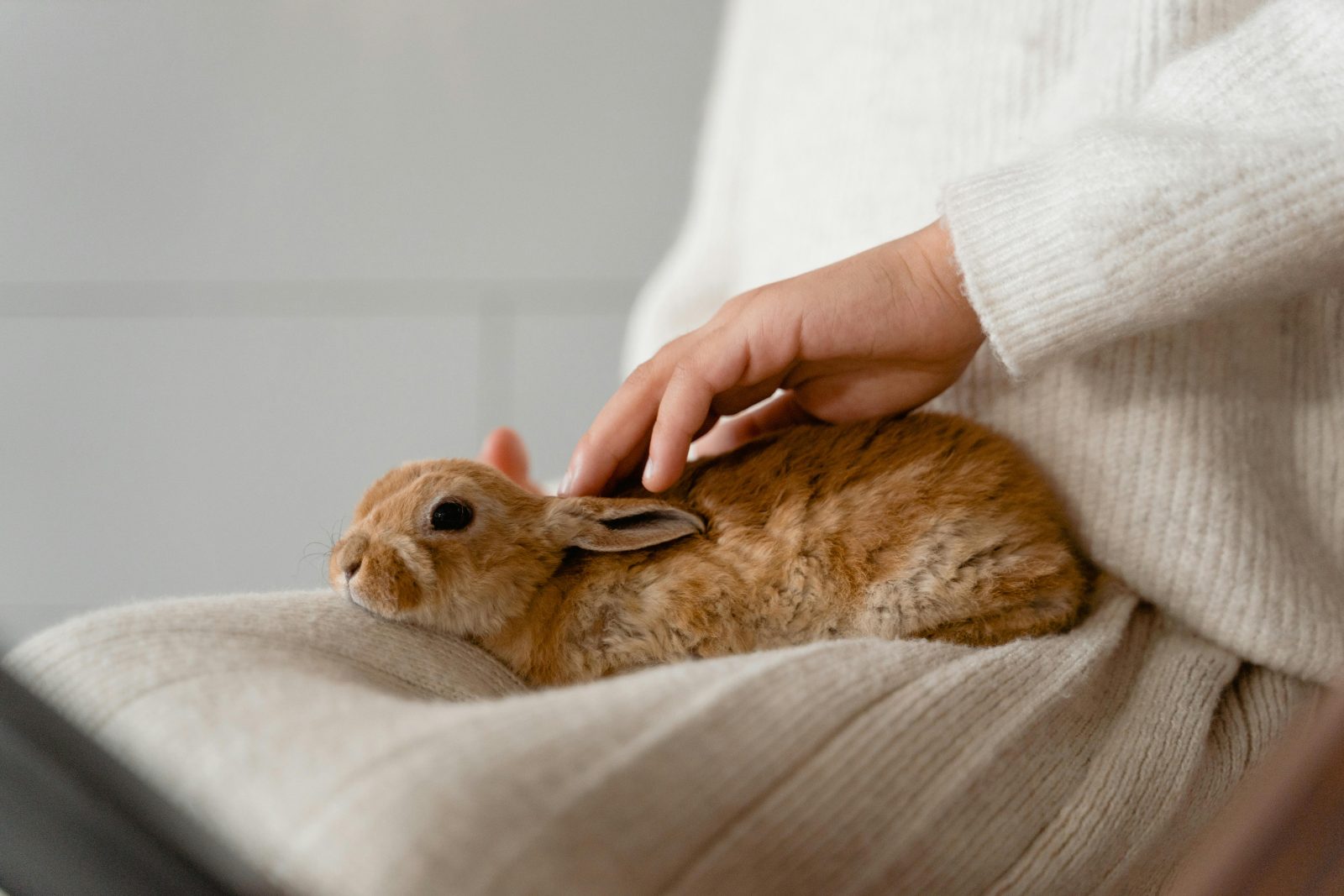

As winter settles across South Africa, pet owners often focus on jerseys, blankets and warmer sleeping spots. But colder weather also brings a major shift in grooming needs for cats, dogs and rabbits.
Cold air, damp fur and indoor heating can all impact your pet’s skin, coat and overall comfort during winter. According to animal care experts, adjusting grooming routines during colder months helps prevent dry skin, painful matting, cracked paws and seasonal irritation.
Here are some of the most important winter grooming tips for pets this season.
Brush your pet more during winter
One of the biggest winter grooming mistakes is brushing pets less often.
Thicker winter coats tangle and mat faster, especially after rain or damp weather. Mats trap moisture against the skin, which increases the risk of:
- Irritation
- Hot spots
- Skin infections
- Parasites hiding beneath fur
Regular brushing also helps distribute natural oils throughout the coat, which protects against dry winter skin.
Recommended brushing frequency
- Long-haired dogs and cats: Daily
- Short-haired pets: Two to three times weekly
- Rabbits: Three to four times weekly
Cut back on baths during colder months
Too many baths during winter strip away natural oils and worsen dry, itchy skin.
Experts recommend:
- Dogs: Bathing roughly once a month
- Cats: Spot-cleaning only when necessary
- Rabbits: Avoiding full baths completely
Always use:
- Lukewarm water
- Pet-safe shampoo
- Moisturising grooming products designed for animals
Human shampoos are often too harsh for pets and can damage the skin barrier.
After bathing, pets should be dried thoroughly using towels and a low-heat hairdryer to prevent dampness lingering in the coat.
Protect paws from winter damage
Cold weather, rain and damp surfaces can be especially tough on paws.
Without proper care, pets can develop:
- Cracked paw pads
- Irritation
- Infections
- Slipping injuries indoors
Veterinarians often recommend paw-protection ointments during winter, particularly for dogs walking on cold or wet surfaces.
After walks:
- Wash paws gently
- Dry thoroughly
- Check for redness or cracking
Dog booties can also help indoors by improving grip and keeping paws warm.
For rabbits, owners should regularly check hocks and bedding to ensure dampness does not cause sores or irritation.
Avoid shaving winter coats
Many pets naturally grow thicker coats during winter.
Shaving or over-trimming removes this insulation and makes animals more vulnerable to cold weather.
Longer winter coats help trap warm air close to the body and regulate temperature naturally.
However, matting should never be ignored.
Severe mats:
- Pull painfully on skin
- Trap moisture
- Cause sores
- Hide parasites and dirt
If matting becomes severe, owners should seek professional grooming help rather than attempting to cut mats out with scissors at home.
Don’t ignore ears, eyes and nails
Winter grooming extends beyond fur care.
Ears
Cold winds can irritate ears, especially in floppy-eared dog breeds.
Owners should check weekly for:
- Redness
- Smell
- Wax build-up
- Irritation
Eyes
Use a soft damp cloth to gently remove discharge or crust around the eyes.
Nails
Pets are often less active during winter, meaning nails wear down more slowly.
Overgrown nails increase the risk of:
- Cracking
- Joint strain
- Discomfort
- Slipping
Indoor heating can dry out skin
Indoor heaters and fireplaces dry out the air, which affects both humans and pets.
Low indoor humidity often contributes to:
- Flaky skin
- Itching
- Dull coats
Running a humidifier indoors helps restore moisture levels and improve comfort for pets during winter.
Some pets need winter clothing
Not every animal tolerates cold weather equally.
Short-haired breeds, senior pets and animals with arthritis often struggle more in winter temperatures.
Warm jerseys during walks can help keep these pets comfortable, especially during early mornings and evenings.
Signs your pet may be too cold include:
- Shivering
- Lifting paws repeatedly
- Slowing down on walks
- Whining
- Refusing to continue walking
Winter grooming is about comfort, not just appearance
Cold-weather grooming is not simply cosmetic.
Proper winter care helps:
- Protect skin health
- Prevent infections
- Reduce discomfort
- Maintain coat condition
- Improve overall wellbeing
As temperatures continue dropping across South Africa, adjusting your pet’s grooming routine now can help prevent larger health issues later in winter.







Leave a comment