

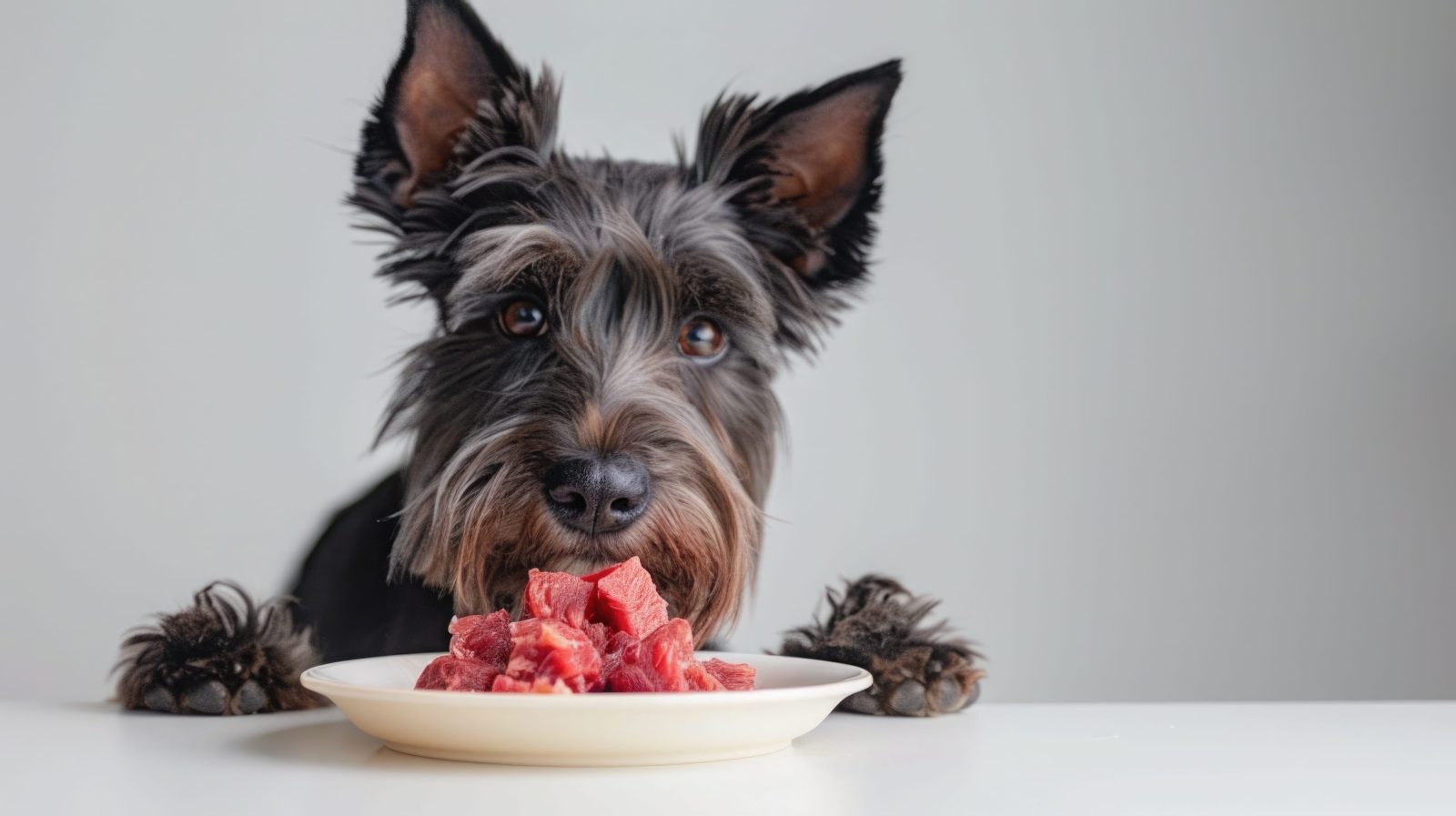

As more South Africans embrace natural, organic and minimally processed foods, many are extending the same philosophy to their pets. One trend gaining traction among dog owners is raw feeding, with supporters claiming it improves everything from digestion to coat health.
But is a raw meat diet genuinely better for dogs, or is it simply the latest pet food fad?
What is a raw meat diet?
According to Helena Swart, founder of Raw Love Pets, a raw meat diet focuses on feeding dogs natural, minimally processed foods rather than highly processed commercial pet food.
“Essentially, a raw meat diet entails feeding natural, real food to your dog, and not highly processed, ‘dead’ food,” says Swart.
A typical raw diet:
- Contains 60% to 70% fresh meat
- Excludes processed grains and preservatives
- Avoids artificial flavours and additives
- Provides naturally occurring nutrients in their original form
- Includes moisture-rich food that supports digestion and waste elimination
Supporters believe these characteristics make nutrients more bioavailable and easier for a dog’s body to absorb.
Why do some owners choose raw feeding?
Raw feeding advocates often point to a dog’s ancestry.
Dogs evolved from wild canines that survived on raw prey, leading many supporters to describe raw feeding as a species-appropriate or biologically appropriate diet.
Swart notes that dogs possess several physical traits associated with meat consumption, including:
- Sharp canine teeth
- A short digestive tract
- Highly acidic stomachs
From this perspective, feeding fresh meat aligns more closely with how dogs evolved to eat.
Claimed benefits of a raw meat diet
Owners who have switched from processed pet food to raw feeding often report improvements such as:
- Increased energy levels
- Better overall health
- Weight loss in overweight dogs
- Stronger immune function
- Healthier skin and shinier coats
- Reduced allergy symptoms
- Cleaner teeth and fresher breath
- Smaller, less odorous stools
- Improved digestion
While many owners report positive results, veterinary opinions on some of these claims remain divided, particularly regarding long-term health outcomes.
What are the risks?
One of the biggest concerns surrounding raw feeding is bacterial contamination.
Raw meat can contain harmful pathogens, including:
- Salmonella
- E. coli
- Listeria
- Campylobacter
These bacteria can potentially affect both pets and humans.
Because dogs can transfer bacteria through licking, grooming and contact with household surfaces, some veterinarians caution against raw diets, especially in homes with young children, elderly individuals or immunocompromised family members.
Can raw feeding be done safely?
Swart believes the risks can be minimised through proper food handling and hygiene practices.
She argues that dogs are naturally equipped to handle certain bacteria because of:
- Antibacterial enzymes in their saliva
- A short digestive tract
- Highly acidic stomach conditions
However, she stresses the importance of maintaining strict food safety standards.
Tips for feeding raw meat safely
If you’re considering a raw diet for your dog, experts recommend:
- Keeping meals frozen until needed
- Defrosting food in the refrigerator
- Avoiding leaving raw food out for extended periods
- Refrigerating leftovers immediately
- Never refreezing thawed food
- Checking food for unusual smells before feeding
- Washing hands before and after handling raw food
- Thoroughly cleaning food bowls after each meal
Following these precautions helps reduce the risk of contamination for both pets and people.
Signs your dog may not be thriving on a raw diet
Some dogs experience mild digestive upset when transitioning to raw feeding. Temporary diarrhoea or vomiting can occur as their digestive systems adjust.
However, Swart advises owners to monitor for more serious symptoms, including:
Persistent weight loss
If a dog continues losing weight despite larger portions, nutritional imbalances may be present.
Ongoing digestive issues
Repeated vomiting or diarrhoea that does not improve warrants veterinary attention.
Loss of appetite
Older dogs in particular may struggle with dietary changes. Swart suggests lightly steaming food or adding brown rice and turmeric if recommended by a veterinary professional.
Possible food allergies
Some dogs may react to specific proteins such as chicken.
Signs include:
- Red or inflamed skin
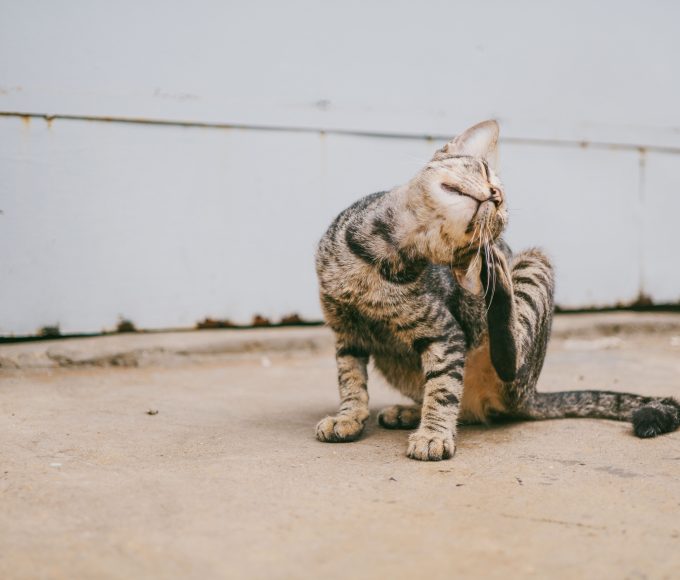
- Excessive scratching
- Recurring ear infections
- Hair loss
- Excessive gas
- Vomiting
If any of these symptoms develop, a veterinarian should assess the dog to identify the underlying cause.
Should you switch your dog to a raw diet?
There is no one-size-fits-all answer.
Many owners report positive results after switching to raw feeding, while some veterinarians remain cautious due to potential nutritional imbalances and bacterial risks.
The best approach is to research carefully, choose reputable suppliers, monitor your dog’s health closely and consult a veterinary professional before making major dietary changes.
The bottom line
Raw feeding continues to grow in popularity among pet owners seeking a more natural approach to canine nutrition.
While supporters point to benefits such as improved digestion, healthier coats and increased energy, responsible food handling and proper nutritional balance remain essential. For owners considering the switch, understanding both the potential benefits and risks is key to making an informed decision.







Leave a comment