

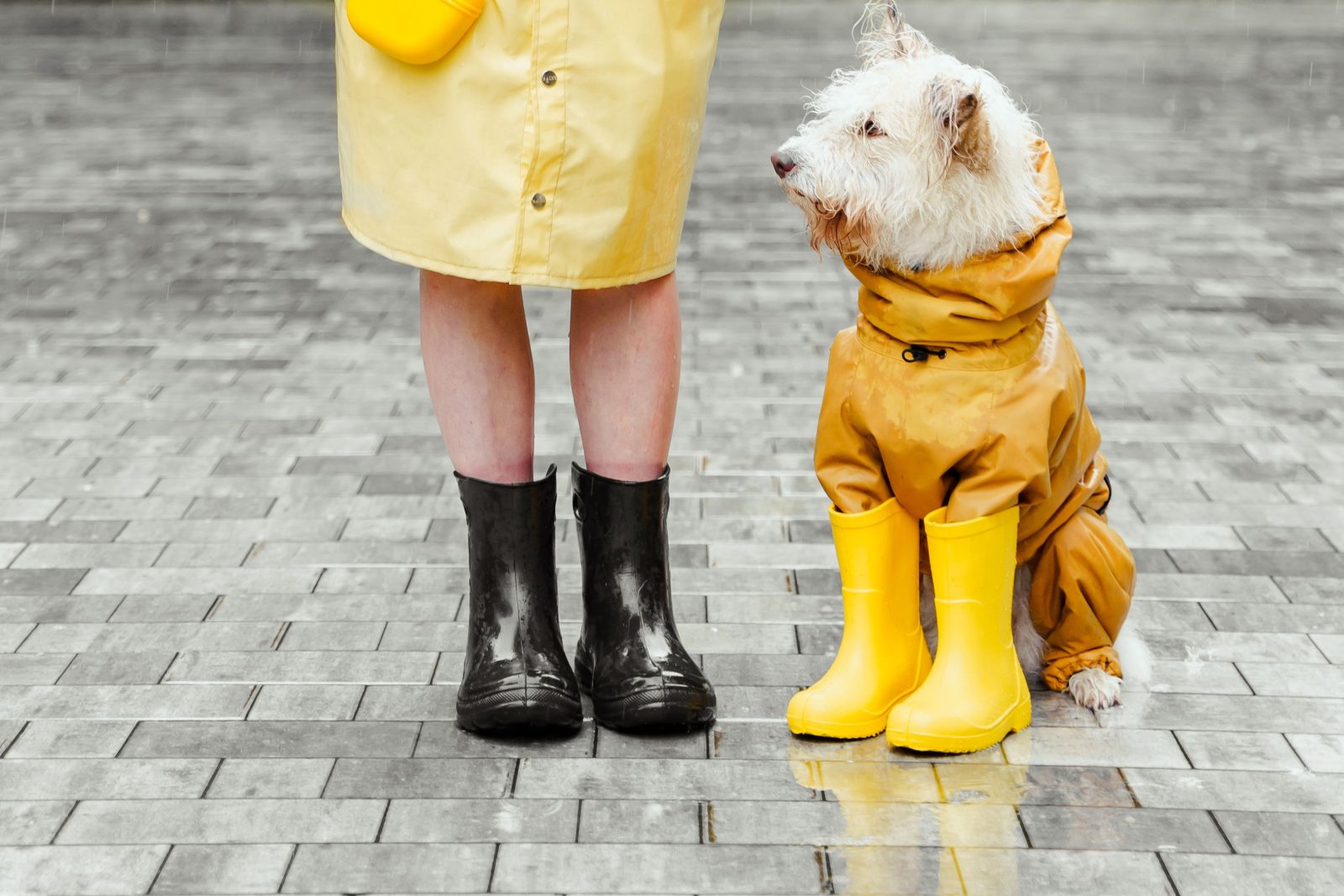

You’ve seen them all over Instagram. French Bulldogs wearing tiny red sneakers. Golden Retrievers hiking in boots. Even the occasional cat sporting little booties.
They’re undeniably cute, but do our pets actually need shoes?
The answer is yes… sometimes.
When your dog does need shoes
Hot pavements
From October to March, tar and concrete in many parts of South Africa can reach temperatures of 60°C to 70°C on a 32°C day.
If the pavement is too hot for the back of your hand after a few seconds, it’s too hot for your dog’s paws.
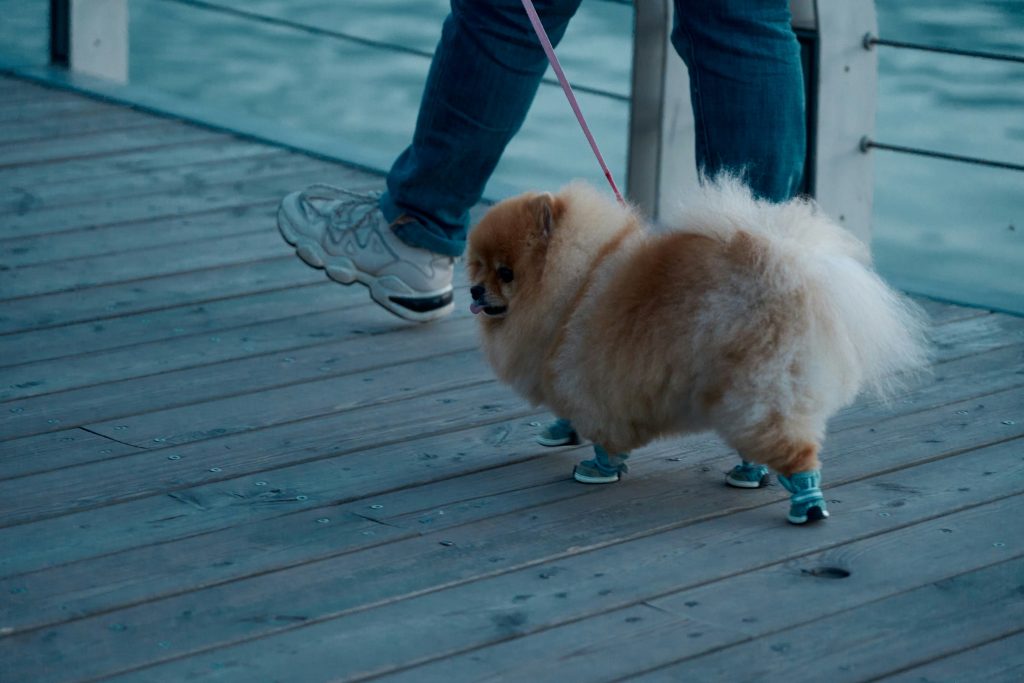
A good pair of dog boots helps protect paw pads from burns, blisters and painful cracking.
Cold, wet weather
South Africa doesn’t see much snow, although places like Sutherland, Ceres, Rhodes, Hogsback and Underberg are exceptions.
Elsewhere, winter often brings icy mornings and persistent rain. Constantly wet paws can soften the paw pads, leading to cracks and infections between the toes.
Water-resistant boots help keep paws dry during long walks.
Hiking and thorn country
Planning a trip to the Drakensberg, Magaliesberg or the Karoo?
Sharp rocks, thorn bushes, hot sand and grass seeds can all injure your dog’s feet.
If your dog regularly joins you on hikes, a well-fitted pair of boots offers valuable protection on rough terrain.
Medical reasons
Some dogs genuinely need boots for medical reasons.
Your veterinarian may recommend them for:
• Senior dogs that struggle on slippery floors.
• Dogs recovering from paw injuries.
• Pets with allergies that constantly lick their feet.
• Dogs with autoimmune conditions affecting their paw pads.
In these cases, boots help protect healing skin and prevent further injury.
When your pet doesn’t need shoes
Around the house
Dogs rely on their toes, claws and paw pads for grip and balance.
Shoes can interfere with their natural movement, making them awkward on familiar surfaces.
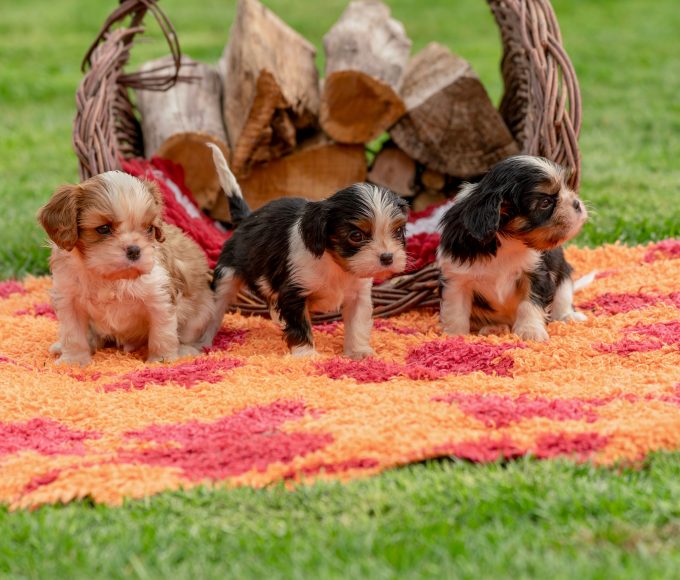
Around the house or in the garden, most dogs are better off barefoot.
Cats
Almost always, no.
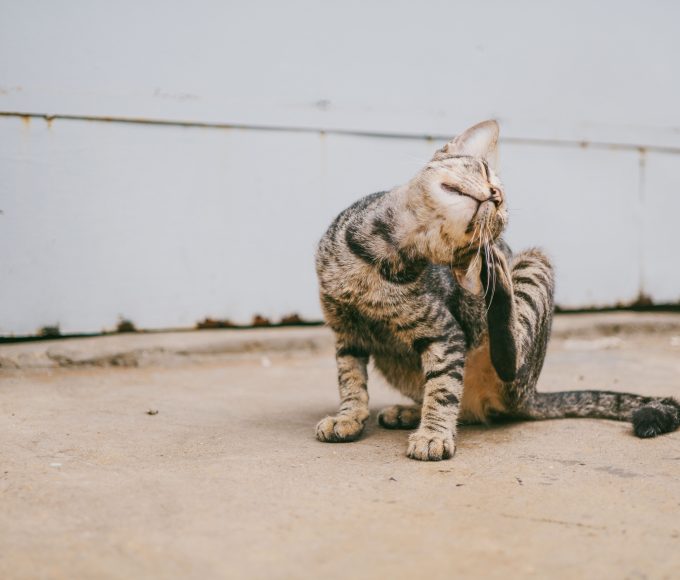
Cats need to feel the ground beneath their paws to balance properly. Shoes restrict their natural movement and prevent them from extending their claws, which they rely on for climbing and escaping danger.
Unless your veterinarian recommends protective footwear for a medical condition, your cat doesn’t need shoes.
Short walks on cool surfaces
Early morning walks on grass or damp sand usually don’t require boots.
Healthy paw pads are naturally designed for these conditions.
Choosing the right dog boots
Skip the hard plastic novelty boots.
Instead, look for:
• Soft, flexible soles that move naturally with the paw.
• Breathable mesh fabrics that prevent overheating.
• Two Velcro straps for a secure fit.
• The correct size. Measure your dog’s paw while they’re standing. You should comfortably fit one finger behind the boot. Too tight restricts circulation. Too loose causes rubbing and blisters.
After every walk, check for rubbing, sores, limping or excessive paw licking. If you notice any of these, remove the boots and reassess the fit.
Teaching your dog to wear boots
Don’t expect your dog to love boots immediately.
The famous high-stepping walk happens because wearing footwear feels strange at first.
Help them adjust gradually:
- Let your dog sniff one boot, then reward them with a treat.
- Place one boot on a front paw for 30 seconds. Reward and remove it.
- Try both front boots for one minute before rewarding again.
- Introduce all four boots indoors for two to three minutes while distracting them with treats or a food scatter game.
- Once they’re comfortable indoors, try a five-minute walk on grass before tackling longer outings.
If, after several days of patient training, your dog continues freezing, panicking or refusing to walk, boots may simply not be the right choice for them.
The goal isn’t to make your dog look fashionable. It’s to keep them comfortable, safe and injury-free when conditions call for a little extra protection.








Leave a comment