

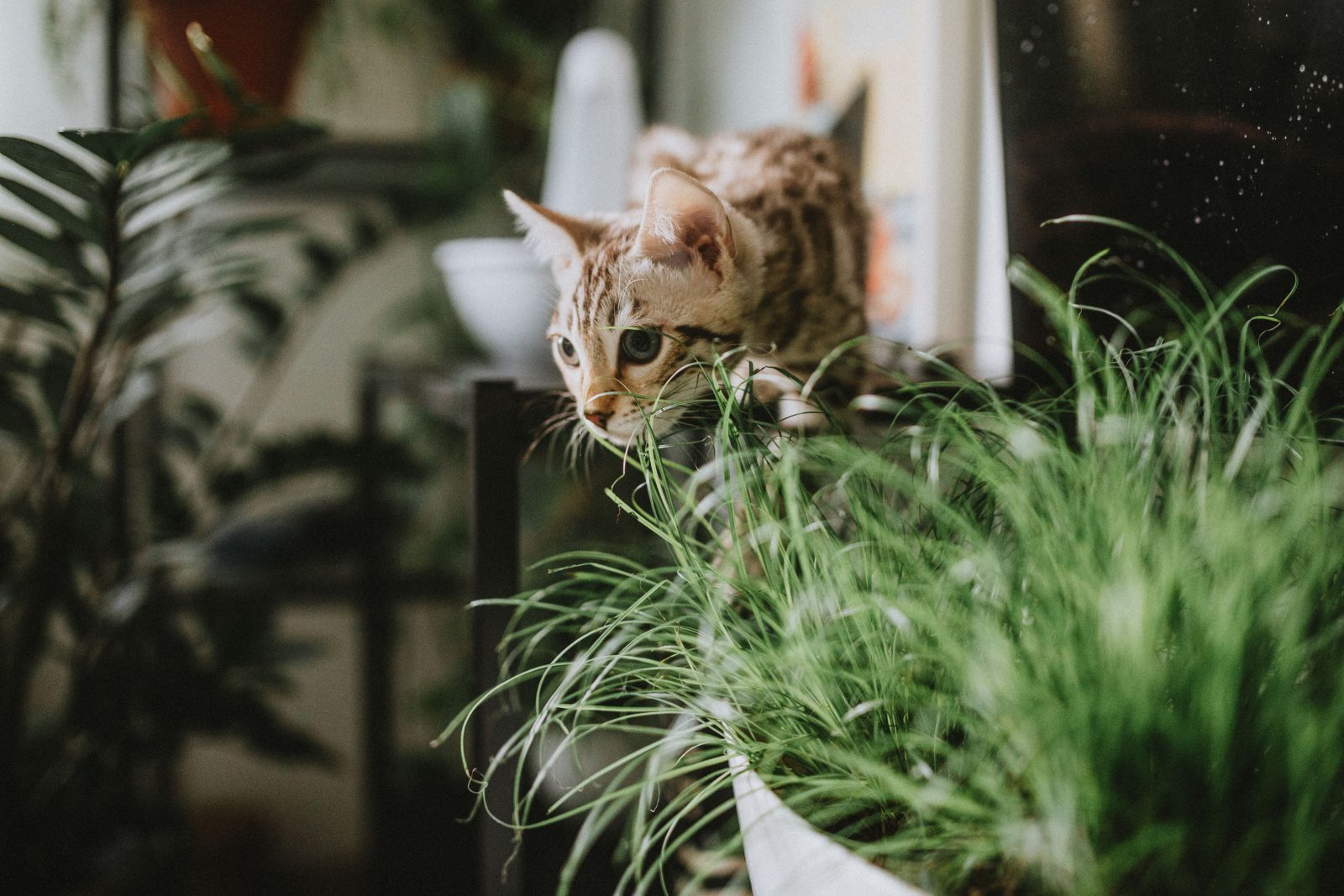

You’ve hidden the chocolate, locked away the rat poison and made sure harmful chemicals are out of reach. But did you know some of the biggest dangers to your pets are everyday household items you probably don’t think twice about?
From common foods and houseplants to air fresheners and skin creams, many seemingly harmless products can be toxic to cats and dogs. Here’s what every pet owner should know.
1. Lilies
Toxic to: Cats, especially, and some types of dogs
True lilies, including Easter, Tiger, Stargazer and Asiatic lilies, are considered one of the biggest emergencies for veterinarians.
Every part of the plant is toxic. Even a small amount of pollen licked from a cat’s fur or drinking water from a vase containing lilies can cause irreversible kidney failure within 24 to 72 hours.
2. Xylitol (Birch Sugar or E967)
Toxic to: Dogs
Xylitol, sometimes listed as birch sugar or E967, is commonly found in sugar-free gum, peanut butter, protein bars, mouthwash, children’s vitamins and baked goods.
In dogs, it triggers a rapid insulin release that can cause life-threatening low blood sugar and liver failure.
Always read ingredient labels, particularly on products marketed as sugar-free or keto.
3. Essential Oil Diffusers and Plug-in Air Fresheners
Toxic to: Dogs, cats and birds
Essential oils such as tea tree, eucalyptus, peppermint, citrus, pine and cinnamon can be harmful when inhaled or absorbed through the skin.
Cats are particularly vulnerable because they cannot effectively process certain compounds found in these oils.
Signs of poisoning may include drooling, pawing at the face, breathing difficulties and loss of coordination.
If using essential oils, ensure the room is well ventilated, your pet can leave the area freely and avoid diffusing oils around cats or birds.
4. Human Painkillers
Toxic to: All pets, especially cats
Common medications such as paracetamol, ibuprofen and other human painkillers can be extremely dangerous.
A single regular-strength paracetamol tablet can be fatal to a cat, while small amounts of ibuprofen may cause stomach ulcers and kidney failure in dogs.
If your pet ingests any human medication, seek emergency veterinary care immediately.
5. Onions, Garlic, Leeks and Chives
Toxic to: Cats and dogs
These ingredients are harmful whether raw, cooked, powdered or dehydrated.
They damage red blood cells and can lead to anaemia. Garlic is considered significantly more toxic than onions.
Symptoms such as lethargy, pale gums and dark urine may not appear for several days, making it difficult to identify the cause.
Avoid feeding pets leftovers containing onion or garlic, including gravies, stews and heavily seasoned foods.
6. Laundry Pods and Strong Detergents
Toxic to: Dogs and cats
Laundry pods can resemble toys to curious pets.
If bitten, they release concentrated detergent that can burn the mouth, throat, oesophagus and eyes.
If detergent is ingested, rinse your pet’s mouth with water and contact your veterinarian immediately.
7. Common Houseplants
Toxic to: Cats and dogs
Many popular indoor plants can be harmful to pets.
Some of the most common include:
- Sago palm, which can cause severe liver failure.
- Monstera, Dieffenbachia and Philodendron, which contain calcium oxalate crystals that cause mouth pain, drooling and throat swelling.
- Aloe vera, where the latex inside the plant may trigger vomiting and diarrhoea.
Before introducing a new plant into your home, check whether it is pet safe.
8. Antifreeze
Toxic to: Cats and dogs
Ethylene glycol, commonly found in antifreeze, has a sweet taste that attracts animals but is extremely poisonous.
Even very small amounts can be fatal.
It may also be found in some imported screen wash products, snow globes and certain garden ornaments.
Clean up spills immediately and store these products securely.
9. String, Hair Ties and Tinsel
Risk: Intestinal obstruction, especially in cats
While not poisonous, string-like objects can cause life-threatening intestinal injuries if swallowed.
Hair ties, wool, thread, shoelaces, dental floss and festive tinsel are common hazards.
Keep these items out of your pet’s reach to avoid emergency surgery.
10. Human Skin Creams and Sunscreens
Toxic to: Dogs and cats
Products containing zinc oxide, hormone creams or anti-inflammatory ingredients such as diclofenac can be dangerous if pets lick recently treated skin or chew the packaging.
Even small amounts may cause vomiting and other serious health complications.
Store creams safely and prevent pets from licking treated areas until products have been fully absorbed.
Prevention is the best protection
Many household hazards don’t look dangerous to curious pets, making prevention essential.
Keeping toxic products securely stored, reading ingredient labels and knowing which everyday items pose a risk can help prevent emergencies and keep your pets safe.






Leave a comment