



Secure restraints, regular water stops and familiar food are among the essentials when travelling with pets, says Dr Elizna Boag, Montego Pet Nutrition’s in-house veterinarian.
Her advice covers preparing dogs and cats for the journey, managing motion sickness and packing for their needs. She also warns owners never to leave pets alone in a vehicle, where temperatures rise rapidly and become life-threatening.

Secure Pets Before Setting Off
Dogs should travel in a seatbelt harness or secure crate. Cats need a sturdy, well-ventilated carrier.
Do not allow pets to roam freely inside the vehicle. Keep them away from front seats, where airbags pose an injury risk.
Properly securing your pet should be part of the preparation before every journey.
Prepare for Motion Sickness
Avoid giving pets a large meal before departure. Short practice trips before a longer journey help build their confidence.
If your pet experiences motion sickness, speak to your veterinarian before travelling.
Pets prone to anxiety also need advance planning. Discuss suitable travel strategies with your vet rather than waiting until departure day.

Carry Water and Offer It at Every Stop
Pack fresh drinking water and a travel bowl. A collapsible bowl is useful for stops along the way.
Offer water at every break and regularly throughout the journey.
Never Leave Pets Alone in a Car
Even a few minutes alone in a vehicle are dangerous for a pet.
Vehicle temperatures rise rapidly, creating potentially life-threatening conditions. If you are unable to take your pet with you when leaving the car, make another arrangement rather than leaving them behind.
Pack a Pet Travel Kit
Boag’s essentials checklist includes:
- Enough food for the entire trip.
- Fresh water and bowls.
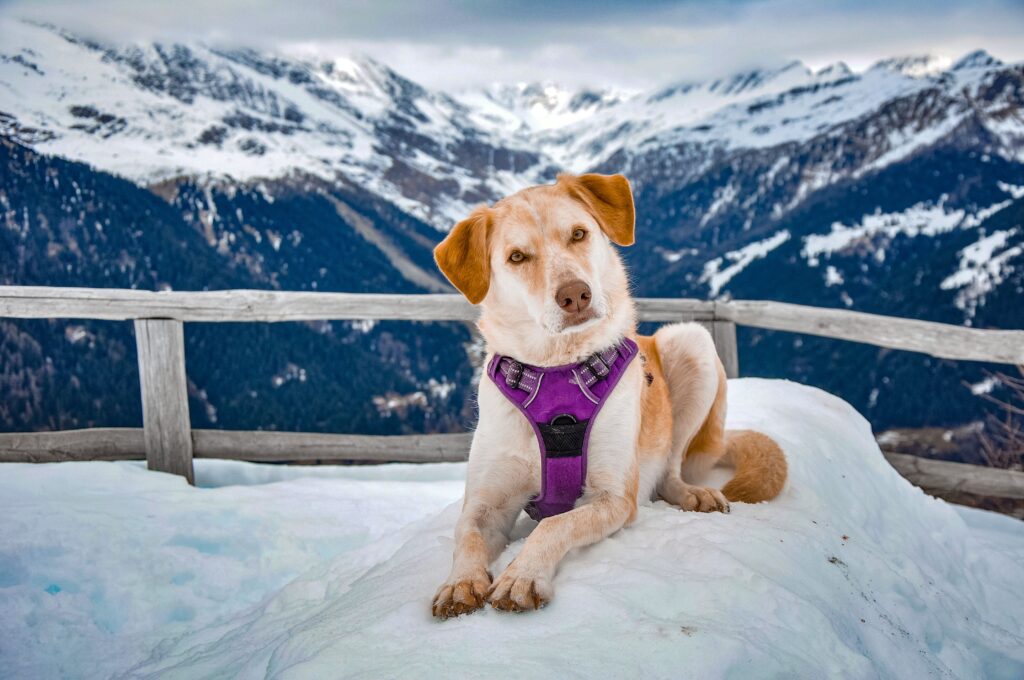
- A lead and harness.
- ID tags.
- Waste bags.
- A favourite toy or comfort item.
- A blanket or bedding.
- Medication.
- A first-aid kit.
- Vaccination records.
Pack these before departure so your pet’s daily needs are covered both on the road and at your destination.
Keep Feeding Familiar
Maintain regular mealtimes and offer smaller meals on travel days.
Avoid introducing new foods or treats during the trip. Keeping food and feeding routines familiar forms part of maintaining your pet’s comfort.
Stop Every Two to Three Hours
On long journeys, plan a break every two to three hours.
Give dogs time to stretch, exercise and relieve themselves, and offer drinking water.
Keep dogs on a lead outside the vehicle. Cats should remain securely contained during stops.
Check Accommodation and Veterinary Access
Confirm your accommodation accepts pets before booking or travelling.
Locate the nearest veterinary clinic at your destination, and discuss any concerns about anxiety or motion sickness with your own veterinarian before leaving.
A well-planned trip accounts for your pet’s safety, comfort and routine from departure to arrival. Secure travel arrangements, familiar supplies and regular breaks help you prepare for their needs along the way.







Leave a comment