

They say hindsight brings clarity. For the Kok family, New Year’s Day 2022 made the case for pet insurance undeniable.
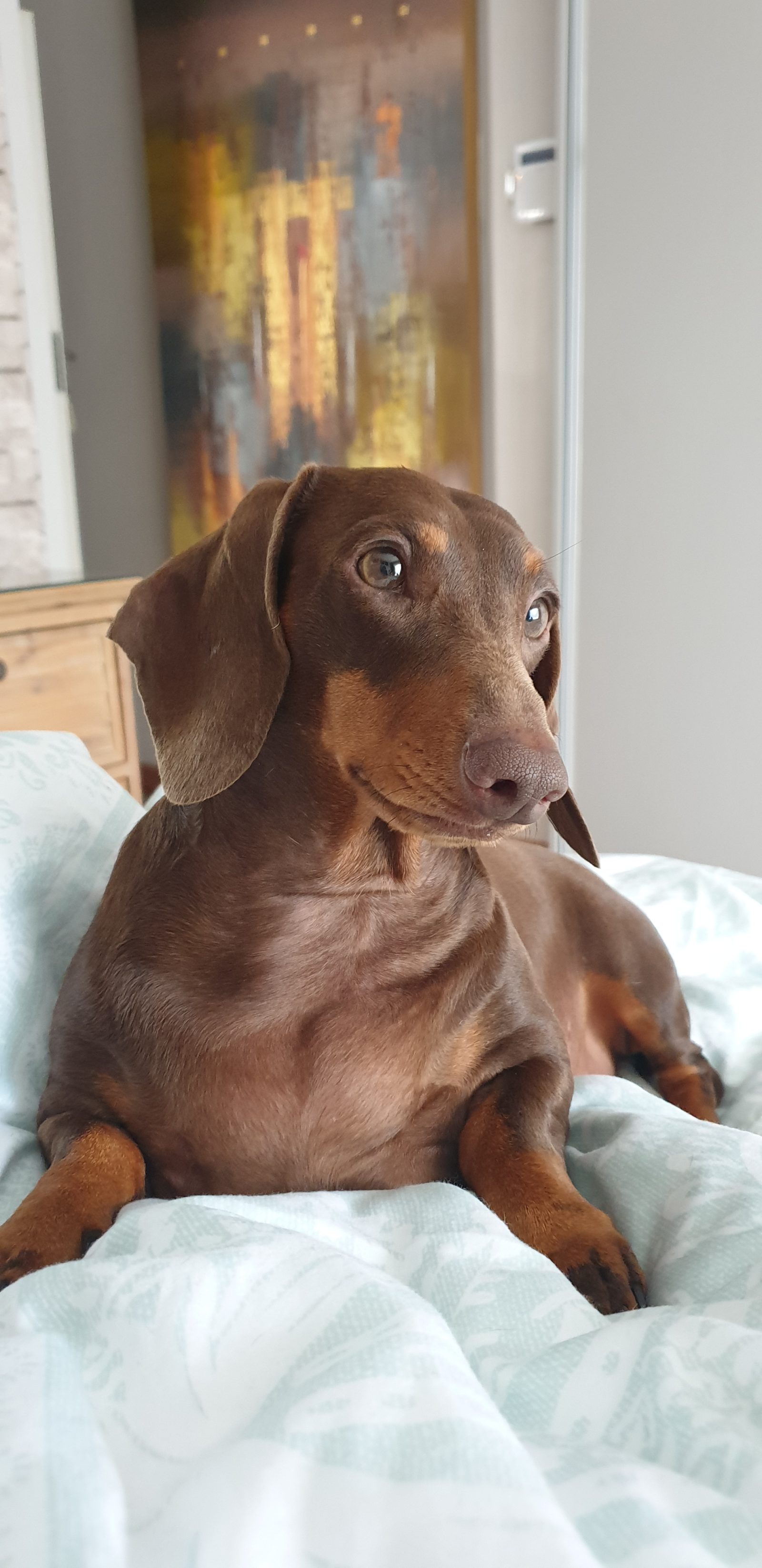
“Dashy Darling is our beloved chocolate dachshund and member of our family,” says Teresa Kok. On that morning, Dash suffered a severe slipped disc, IVDD, a known risk for long backed breeds.
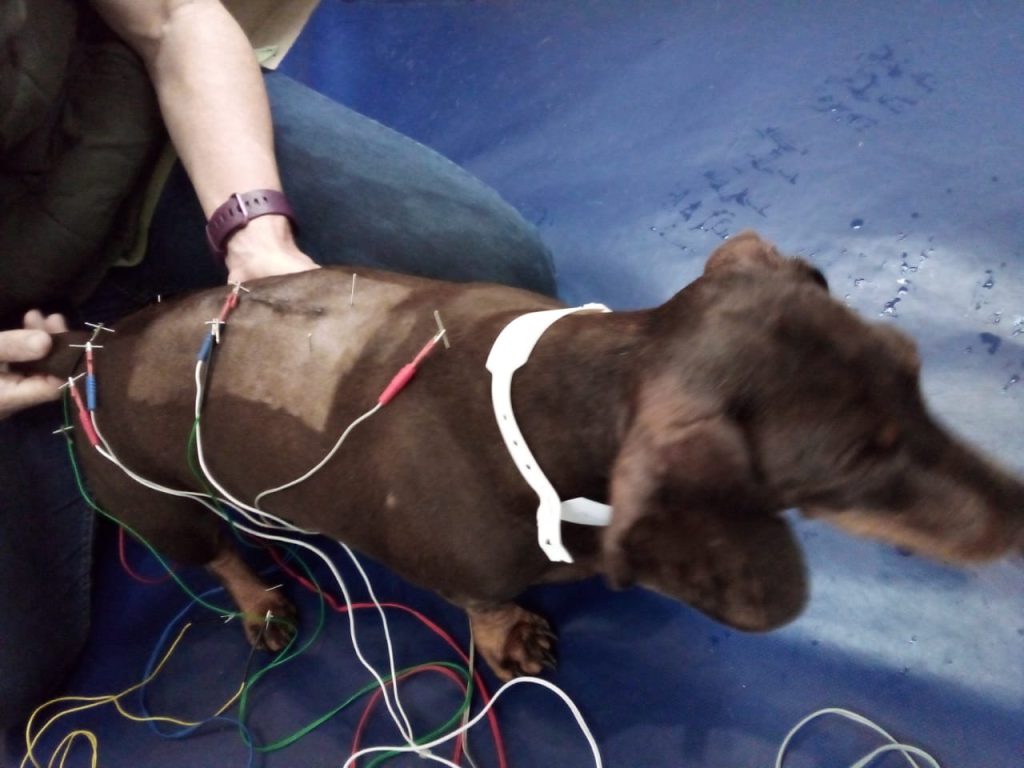
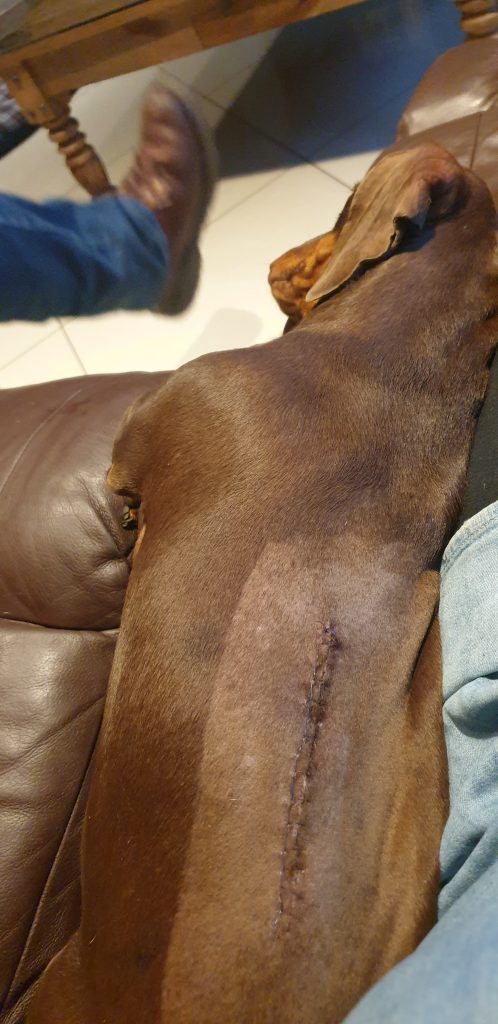
Teresa heard Dash yelp. She found her unable to use her back legs and in severe pain. An emergency vet visit and MRI confirmed that urgent spinal surgery was required to relieve pressure on her spinal cord and prevent permanent paralysis.
Recovery meant major spinal surgery, a week in hospital, eight weeks of strict cage rest and physiotherapy three times a week.
The cost came to just under R39 000. A R20 000 deposit was required upfront. Savings were used. Credit cards were stretched.
“Was it worth it. Absolutely. Dash has fully recovered and is still Queen of our home. But I wish we had pet insurance in place. If we had not had access to savings, we might have faced an unthinkable decision,” says Teresa.
Today, both Dash and George the Jack Russell are insured.
Rising Veterinary Costs Mirror Private Healthcare
Pet ownership carries routine healthcare expenses such as vaccinations, deworming, flea and tick prevention, sterilisation and checkups. These baseline costs are rising.
“Routine pet healthcare costs are not trivial, especially for households under pressure from inflation and rising living costs. But expenses escalate sharply when it comes to major treatment and emergencies,” says Alfred Wilsenach, Divisional Manager Underwriting at GENRIC Insurance Company Limited.
Claims paid by GENRIC Pet Insurance highlight how veterinary costs rival private healthcare:
• R43 400 for Tibial Plateau Levelling Osteotomy surgery
• R16 725 for a severe ear infection requiring surgery
• R39 200 for shoulder surgery
• R37 866 for cruciate ligament surgery
• R40 682 for joint-related surgery
• R39 000 for IVDD back surgery
• R35 821 for surgery after a dog attack
“These are not rare cases. They are increasingly common claims. Access to essential pet healthcare requires planning, much like private healthcare for people,” Alfred explains.
Advanced diagnostics such as MRI, ultrasound and specialist surgical techniques drive costs higher. Many drugs and consumables are imported, exposing clinics to global supply chain pressures, import duties, and exchange rate shifts. Skills shortages and specialist training also increase operational costs.
What Insurance Could Cover
Based on Dash’s IVDD case, GENRIC Pet’s Comprehensive Medical Expenses Only plan would have settled R35 071 of the R38 968 bill after a 10 percent excess.
At R386 per month, a R35 000 claim equates to nearly nine years of premiums. The financial value becomes clear when facing a sudden emergency.
What To Look For In Pet Insurance
Not all pet insurance products offer equal protection. Review the fine print before choosing a cover.
GENRIC highlights key factors to assess:
• Payment caps and limits. Check annual limits and treatment-specific caps per pet.
• Vet choice. Confirm you can use any registered veterinarian, specialist or emergency practice.
• Multi-pet discounts. These reduce overall premium strain.
• Age limits. With GENRIC, there is no age limit, provided cover begins before the maximum entry age of nine years.
• Pre-existing condition exclusions. Most policies exclude conditions present before inception. Early cover matters.
• Hereditary and breed restrictions. Some policies exclude common breed conditions. GENRIC does not exclude hereditary or breed-specific conditions if they did not exist at policy inception.
• Scope of cover. Accident-only plans exclude illness unrelated to accidents. Understand what your plan includes.
Pet insurance is not a luxury. It is financial protection against high-cost, high-impact emergencies.
GENRIC Pet Insurance is not a pet medical aid. Premiums may be reviewed annually.
GENRIC Pet Insurance is underwritten and administered by GENRIC Insurance Company Limited FSP 43638, an authorised Financial Services Provider and licensed non-life insurer.






Leave a comment