

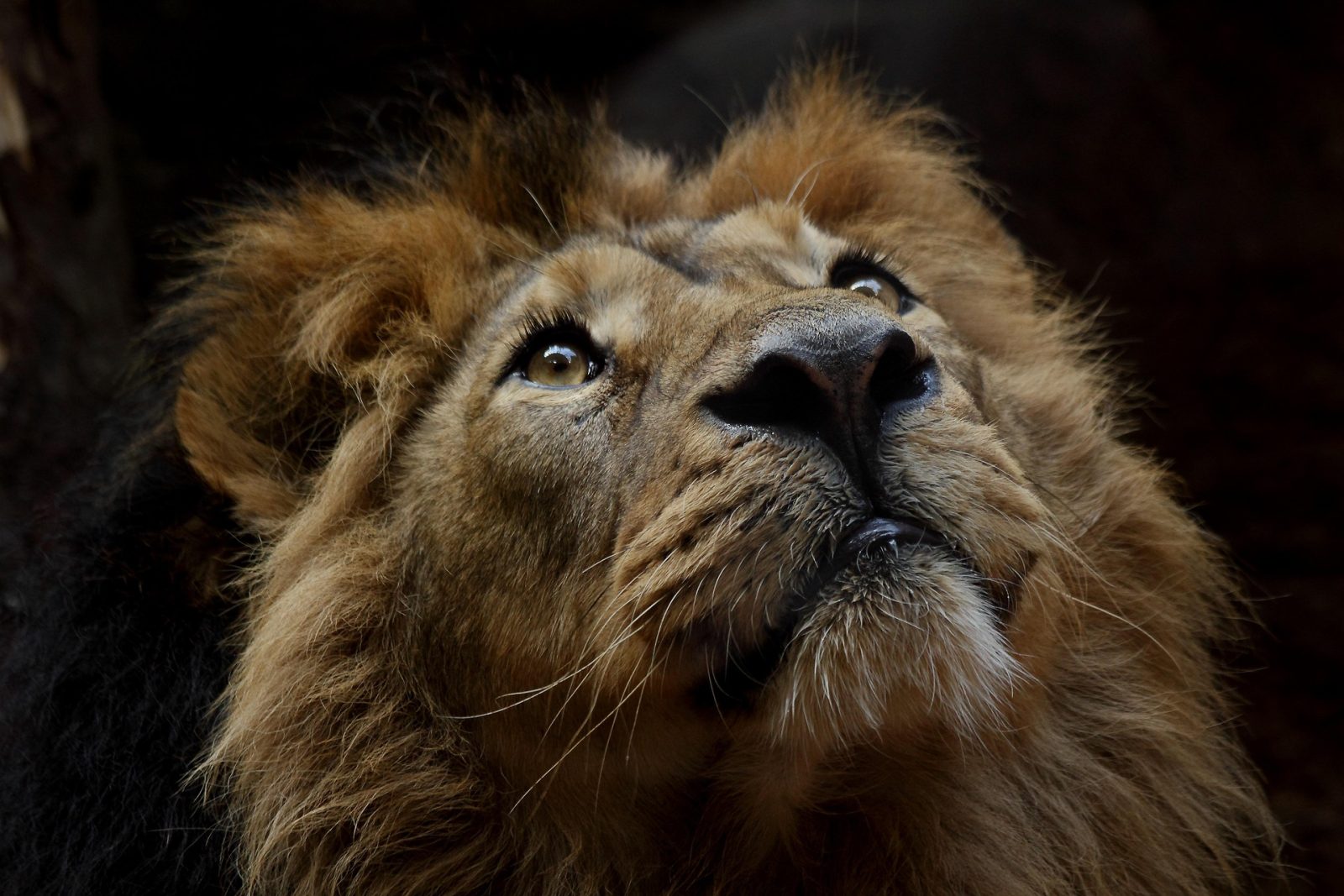

South Africa’s wildlife heritage ranks among the richest in the world. From lions and rhinos to giraffes and elephants, the country’s biodiversity supports both conservation and a major tourism economy. Yet modern conservation requires far more than protecting animals. It demands active ecosystem management backed by science, planning and long-term strategy.
Behind every successful wildlife reserve lies a complex system of ecological planning, veterinary care, habitat management, compliance and sustainable tourism. Conservation today requires expertise across multiple disciplines and constant adaptation to environmental pressures.
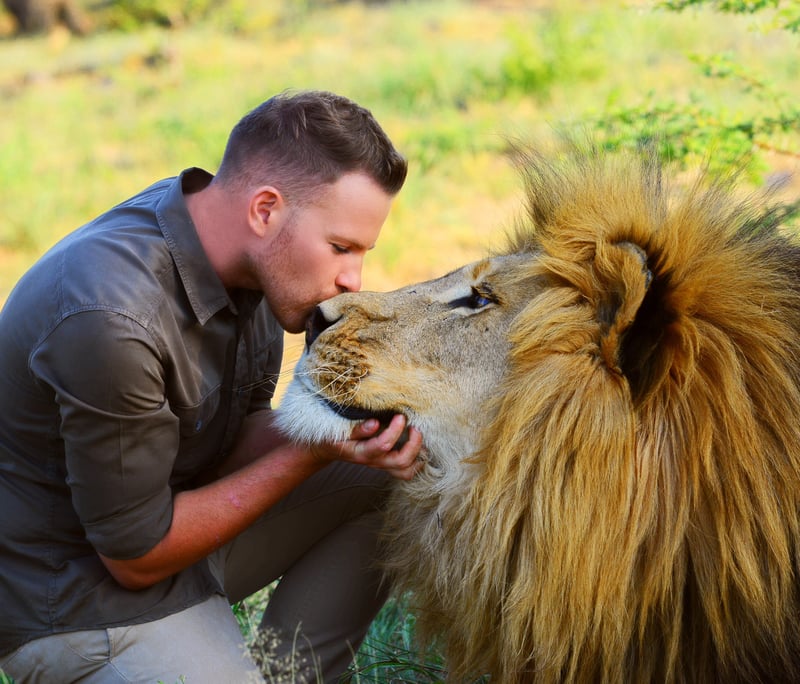
At the centre of this work is Shandor Larenty, who oversees conservation initiatives at the Lion & Safari Park near Johannesburg. With decades of experience working closely with wildlife, Larenty believes every South African shares responsibility for protecting the country’s natural heritage.
Why South Africa plays a global conservation role
According to Larenty, South Africa holds a leading position in global conservation because wildlife management extends beyond simple protection.
“South Africa sits at the forefront of global conservation because we do not just protect wildlife. We actively manage it,” he explains.
Private reserves, national parks and conservation networks across the country contribute to one of the most advanced wildlife management systems in the world. Programmes include rhino protection initiatives, structured breeding strategies, veterinary research and habitat restoration.
The country also integrates conservation with tourism. Wildlife experiences generate revenue that supports conservation work, employment and community development.
“What makes South Africa unique is the integration between conservation and sustainable tourism,” Larenty says. “Wildlife is experienced responsibly, which creates funding, employment and long-term viability.”
Misconceptions about conservation
Despite strong conservation programmes, Larenty says many people misunderstand the work involved.
“One of the biggest misconceptions is that conservation is simply about loving animals,” he says. “It is complex, strategic and often difficult work.”
Modern conservation involves environmental policy, genetic management, animal nutrition, veterinary oversight and financial sustainability.
Another misconception is that wildlife will survive naturally if left alone.
“In modern South Africa, that is not the case,” Larenty explains. “Fences, land fragmentation and human pressure mean wildlife requires active management.”
The power of storytelling in conservation
Larenty also highlights the role of storytelling in changing how people view wildlife.
Social media platforms allow conservationists to connect with global audiences and share stories about animals and ecosystems. These stories help people form emotional connections with wildlife.
“When people see the personality of a lion, the curiosity of a giraffe or the resilience of a rhino, they connect emotionally,” he says. “That connection drives support and behavioural change.”
Digital storytelling also shifts global perceptions of Africa.
“Through digital platforms, we show the world that Africa represents innovation, biodiversity and hope.”
Career opportunities in conservation
For young South Africans interested in working with wildlife, conservation offers more career paths than many realise.
Roles exist across multiple fields, including:
• Wildlife nutrition
• Environmental compliance
• Research coordination
• Species management planning
• Data analysis and ecological monitoring
• Tourism strategy and reserve operations
• Community engagement and conservation finance
“The future of wildlife depends not only on people working in the bush,” Larenty says. “It also depends on people in boardrooms, laboratories and digital spaces.”
A shared responsibility
Larenty believes protecting South Africa’s biodiversity requires collective action.
“Wildlife is not someone else’s responsibility. It belongs to all of us.”
The country’s biodiversity contributes to tourism revenue, ecological stability and national identity. Protecting it requires awareness, pride and accountability from individuals and institutions alike.
Small actions also make a difference.
“Become informed and intentional,” Larenty advises. “Even small daily decisions matter. When millions of individuals act responsibly, the collective impact is extraordinary.”







Leave a comment