

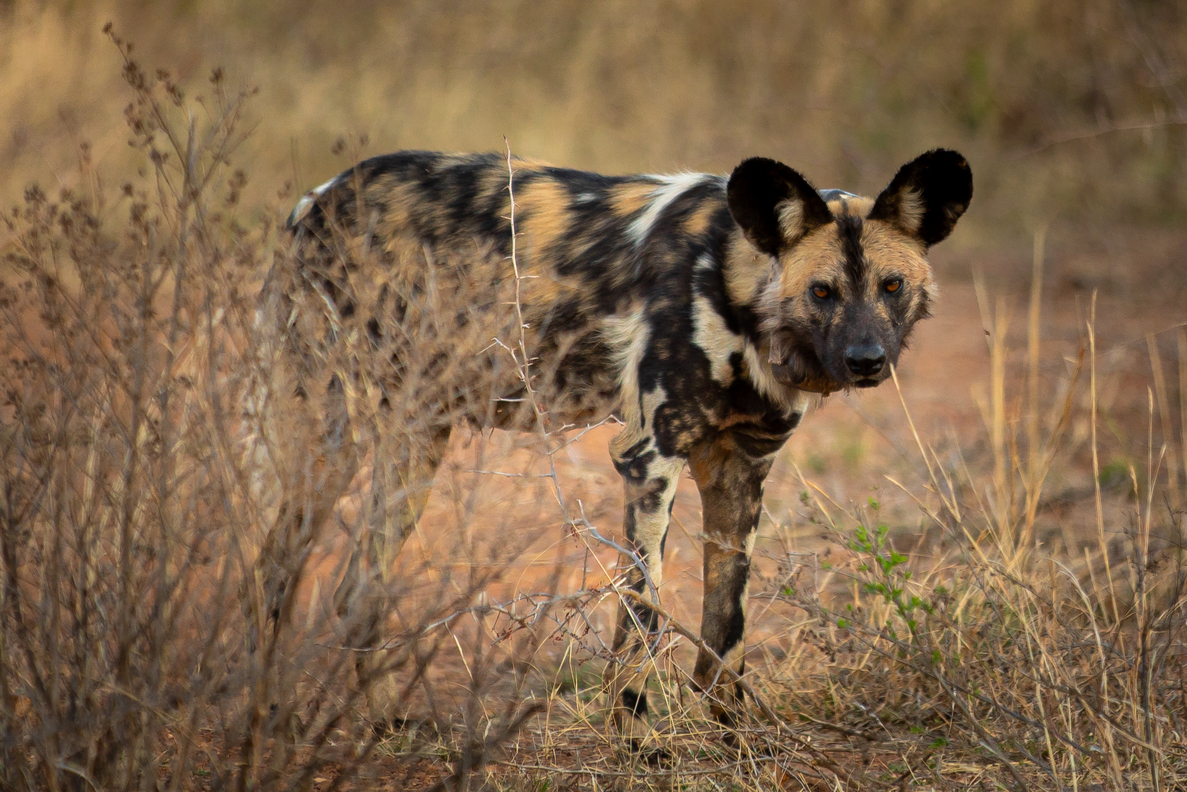

African wild dogs (Lycaon pictus), one of the continent’s most endangered carnivores, are showing encouraging recovery in parts of the Waterberg Biosphere. With fewer than 7 000 remaining globally, their survival depends on large territories, stable prey populations and coordinated conservation management.
“Wild dogs are highly social species and require large ranges to hunt successfully,” says Ivan Killian, Reserve Manager at Mabula Private Game Reserve. “Their survival is complex, as they face threats from habitat loss, human-wildlife conflict and disease. Conservation efforts that create safe, connected habitats are critical.”
A collaborative conservation success
A key milestone came in 2021, when two male wild dogs travelled more than 330km from northern Limpopo to Mabula. Recognising the opportunity to establish a breeding pack, Mabula partnered with the Endangered Wildlife Trust and the Waterberg Wild Dog Initiative to introduce two compatible females.
Following a carefully managed bonding period, the pack was released in May 2022.
Today, this group is one of only two known breeding packs in the Waterberg Biosphere. With fewer than 650 African wild dogs remaining in South Africa, each successful pack plays a vital role in the national metapopulation strategy.
Conservation meets tourism value
According to Prof. Peet van der Merwe of North-West University, South Africa’s network of protected areas provides a strong foundation for conservation and tourism.
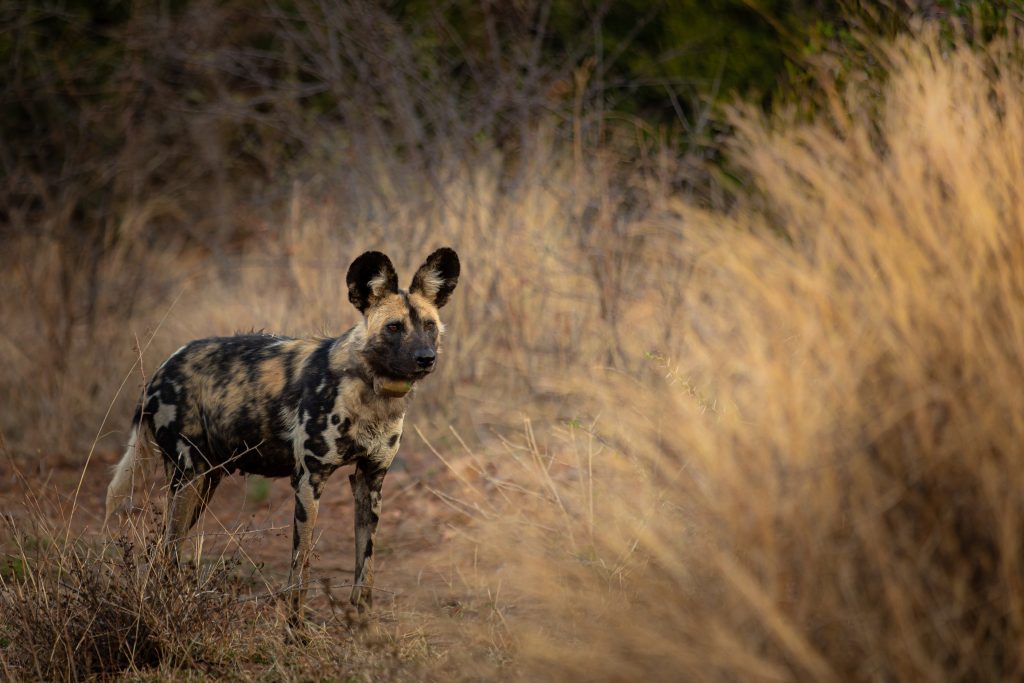
Wild dogs are increasingly becoming a sought-after sighting for safari travellers. Their pack dynamics, cooperative hunting and social behaviour offer a deeper understanding of predator ecosystems beyond traditional wildlife experiences.
The role of responsible travel
Responsible tourism continues to support these conservation efforts. Visitor interest contributes to funding, awareness and long-term sustainability of protected areas.
“Responsible wildlife tourism is more than observation. It helps sustain the programmes that ensure species like wild dogs survive for generations,” says Killian.
A model for future conservation
Mabula’s success shows the impact of collaboration between reserves, conservation organisations and tourism stakeholders. These aligned efforts are not only protecting a vulnerable species but strengthening biodiversity across the region.
African wild dogs are not only surviving in the Waterberg. They are establishing stable populations, offering renewed hope for the species across southern Africa.






Leave a comment