


By Taariq Logday
As a certified aquarist and store owner, I am repeatedly asked the same seasonal questions around common winter fishkeeping issues. Winter is often the season where beginners make mistakes, so here are some practical tips to help keep your aquatic pets healthy through the colder months.
Winter challenges
One of the biggest challenges fish owners face during winter is temperature fluctuation. Inconsistent room temperatures can affect aquarium water temperature more than people realise. An internal thermometer is essential because it gives a far more accurate reading of the water than relying on room conditions alone.
Aquarium heaters are another common issue. If a heater is too weak or faulty, it may struggle to maintain the set temperature. A good rule of thumb is to use roughly one watt of heater power per litre of water when the room temperature is between 20–25°C.
If the heater is insufficient, increasing the wattage slightly may help, but oversized heaters can create dangerous temperature
spikes.
Fish choice also plays an important role during winter. Many species commonly sold in fishkeeping are tropical fish, which require consistently warm water and therefore need heaters. Other species are naturally more tolerant of cooler temperatures, so it is always important to research the ideal temperature range before purchasing fish.
Cold weather and fish health
Temperature fluctuations can weaken a fish’s immune system and increase the risk of disease. One illness frequently seen during seasonal changes is White-Spot Disease (Ich), a contagious external parasite that spreads quickly if left untreated. Fortunately, it is easy to treat when identified early.
Keeping aquarium salt, medication and a quarantine tank on hand can make a major difference when dealing with outbreaks.
Maintaining water temperature
Maintaining stable water temperature throughout winter is one of the most important aspects of fishkeeping. The room where the aquarium is located should remain as stable as possible, avoiding drafts or sudden cold air. During water changes, replacement water should always be checked with a thermometer before adding it to the tank.
Smaller aquariums fluctuate in temperature more rapidly than larger ones, so keeping tanks topped up also helps stabilise temperature. Using a lid, whether glass or acrylic, reduces evaporation and heat loss, while bubble wrap insulation on the sides and back of the aquarium can assist during particularly cold spells.
Should fish diets change in winter?
Dietary changes depend largely on whether the fish are kept indoors or outdoors. Indoor tropical aquariums that remain at a stable temperature generally do not require changes in feeding.
Outdoor ponds, however, experience colder water temperatures, which naturally slow fish metabolism. This means pond fish should be fed less frequently during winter. Goldfish and koi also benefit from switching from a high-protein summer diet to a more digestible wheat germ-based food during colder months.
Overfeeding is a common mistake during winter because fish activity levels decrease. Rather than reducing the amount of food given at each feeding, it is usually better to reduce feeding frequency. Fish should only be fed what they can consume within about a minute. Uneaten food quickly affects water quality and can create additional health problems.
Supplements can also help fish cope with seasonal stress. Products containing vitamins and amino acids may support digestion and nutrient absorption. Fresh garlic is another useful addition because it provides roughage, helps clear fat and protein build-up in the digestive tract, and offers mild natural antiviral properties.
Water-quality testing should remain consistent throughout winter, provided feeding is adjusted correctly. Problems generally arise when fish continue to receive heavy feeding despite slower metabolism, resulting in excess waste and deteriorating water conditions.
Warning signs
Watch for these common symptoms during winter:
- Appetite loss
Fish refusing food may indicate stress or illness. - Flashing and twitching
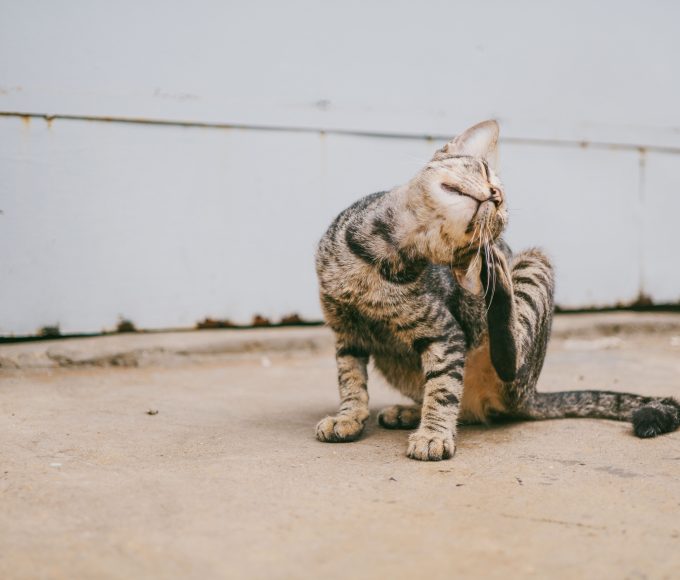
Fish rubbing against décor or substrate, or flicking fins repeatedly could indicate parasites or water toxicity. - Clamped fins
Fins held tightly against the body, accompanied by swaying or difficulty swimming. - Behaviour changes
Excessive hiding
Increased aggression
Aimless swimming
Reduced activity
Which fish are most vulnerable to cold?
Tropical species are generally more sensitive to sudden temperature fluctuations than:
Goldfish
Koi
Mountain minnows
Other cool-water species
Fish originating from cooler environments naturally possess greater tolerance to seasonal temperature changes.
For me, the golden rule of winter fishkeeping is prevention. Before winter arrives, aquarium owners should ensure heaters are functioning properly and room temperatures remain stable.
Pond owners should regularly remove leaf litter to prevent clogged pumps and ensure fish are receiving the correct seasonal food. Small preventative measures often make the biggest difference in keeping fish healthy through winter.









Leave a comment