

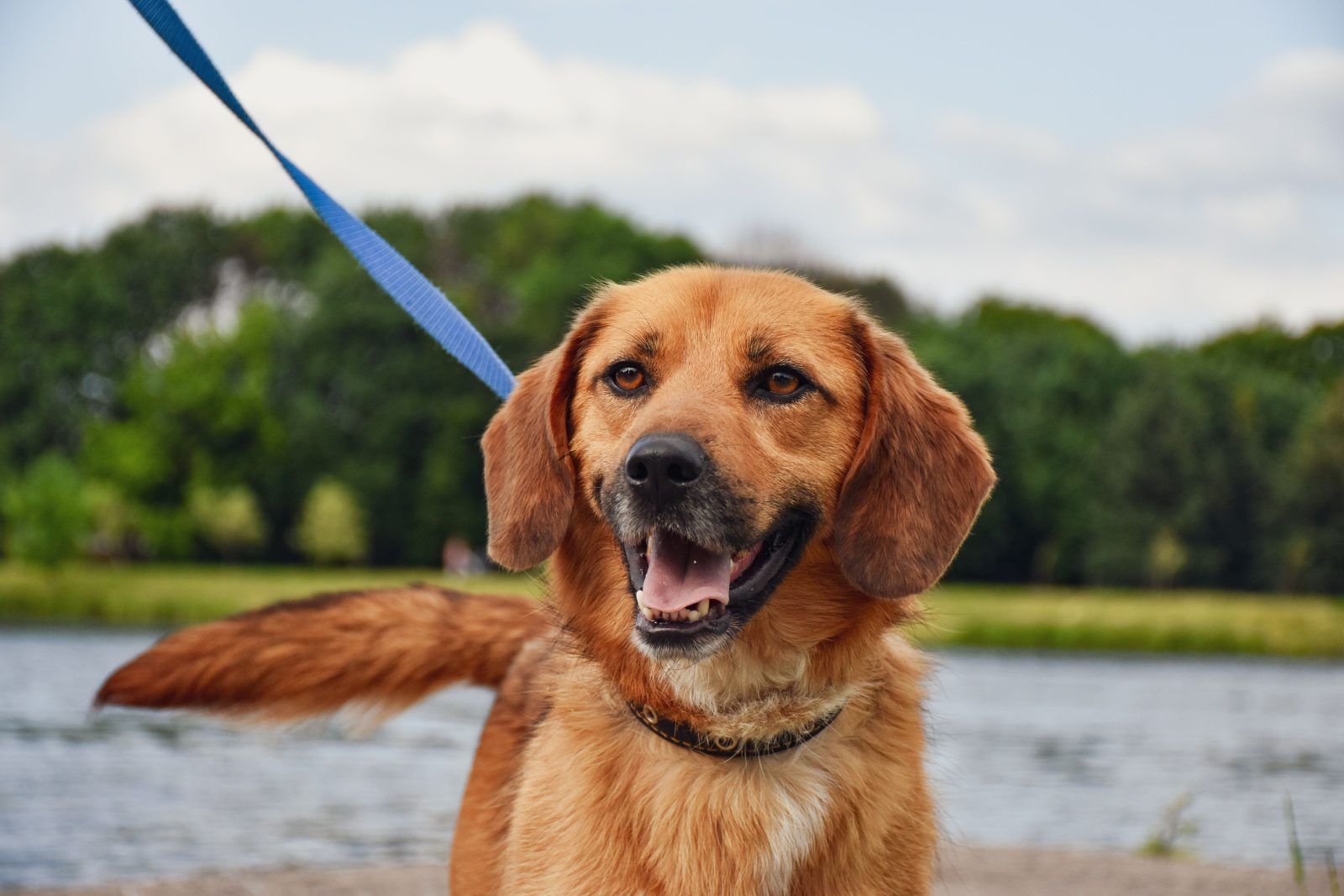

A leash seems simple enough. It is just a strap between you and your pet, right?
Not quite.
The wrong leash can leave you with sore hands, a dog that pulls or, worse, a pet that escapes. The right leash makes walks safer, supports better training and leads to way more tail wags.
Here is what to look for before your next walk.
Start with size and strength
This is non-negotiable. Your leash needs to match your pet’s size and strength.
For cats and small dogs under 10kg, choose a lightweight leash that is 10mm to 12mm wide. Anything heavier may drag them down.
For medium dogs weighing 10kg to 25kg, choose a 20mm-wide leash with solid stitching.
For large or strong dogs over 25kg, go for a leash that is 20mm or wider, with double-stitched nylon or leather. You need something that will not snap if they lunge at a squirrel.
Rule of thumb: If you cannot hold your dog back with one hand on the leash, it is not strong enough.
Length matters more than you think
A leash that is too long can make control difficult. A leash that is too short can limit movement and make walks stressful.
A 1.2m to 1.5m leash is best for training, busy streets and vet visits. It keeps your pet close and under control.
A 1.8m to 2m leash is the all-rounder. It works well for most daily suburban walks, giving your dog enough slack to sniff without losing control.
A 3m to 5m leash works best in parks and open spaces. It gives your dog more freedom to explore, while still allowing you to reel them in when needed.
A leash longer than 10m should only be used for recall training in a secure field. Never use it near roads or in traffic areas.
Avoid extendable and retractable leashes for training or near roads. They can teach pulling, and the thin cord can burn your hands or snap.
Pick material for lifestyle, not just looks
Nylon is affordable, light and comes in many colours. It is good for puppies and daily use, and you can rinse it easily if it gets muddy. However, it can cause leash burn if your dog pulls.
Leather is strong, soft on the hands and gets better with age. It is a good choice for big dogs and “forever” leashes, but it needs conditioning and usually costs more.
Biothane and rope are waterproof, easy to clean and do not stink. They are good for the beach, rain and dogs who love outdoor adventures.
Chain leashes can work for puppies who chew through leashes, but they are heavy and can hurt teeth. They are best used only as a short-term option.
Check the clip carefully
The clip is where cheap leashes often fail.
Look for a solid metal bolt snap or trigger clip. You should be able to open and close it with one hand.
Avoid flimsy plastic clips or thin wire clasps, as they can bend or pop open.
For escape artists, choose a clip with a swivel. This helps stop the leash from twisting and undoing itself.
Comfort features matter
A padded handle is useful if you walk daily or have a dog that pulls. It can save your hands from painful rubbing.
A traffic handle is another helpful feature. This is a second handle about 30cm from the clip, making it easier to keep your dog close when crossing roads or passing other dogs.
Reflective stitching is important for early morning or evening walks.
For small pets, keep the leash lightweight. Big, chunky handles can be too heavy for toy breeds and cats.
Match the leash to the activity
For daily walks, choose a 1.8m nylon or leather leash with a padded handle.
For training, choose a 1.2m leather or biothane leash for better control.
For hiking or trails, choose a 2m to 3m leather or rope leash that is waterproof and tough.
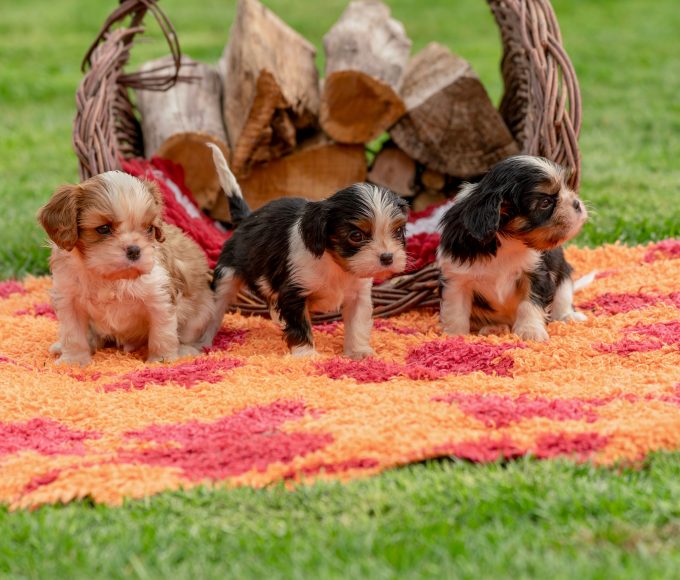
For puppies, choose a lightweight 1.5m nylon leash. You will probably replace it if they chew through it.
For cats, use a lightweight harness and leash combo between 1.2m and 1.5m. Never use a collar-only leash for cats.
The best leash is the safest one
The best leash is not always the most expensive one.
It is the leash that fits your pet’s size, strength and walking style while keeping both of you safe.
Choose carefully, check the stitching and clip, and make sure it feels comfortable in your hand before heading out.







Leave a comment