

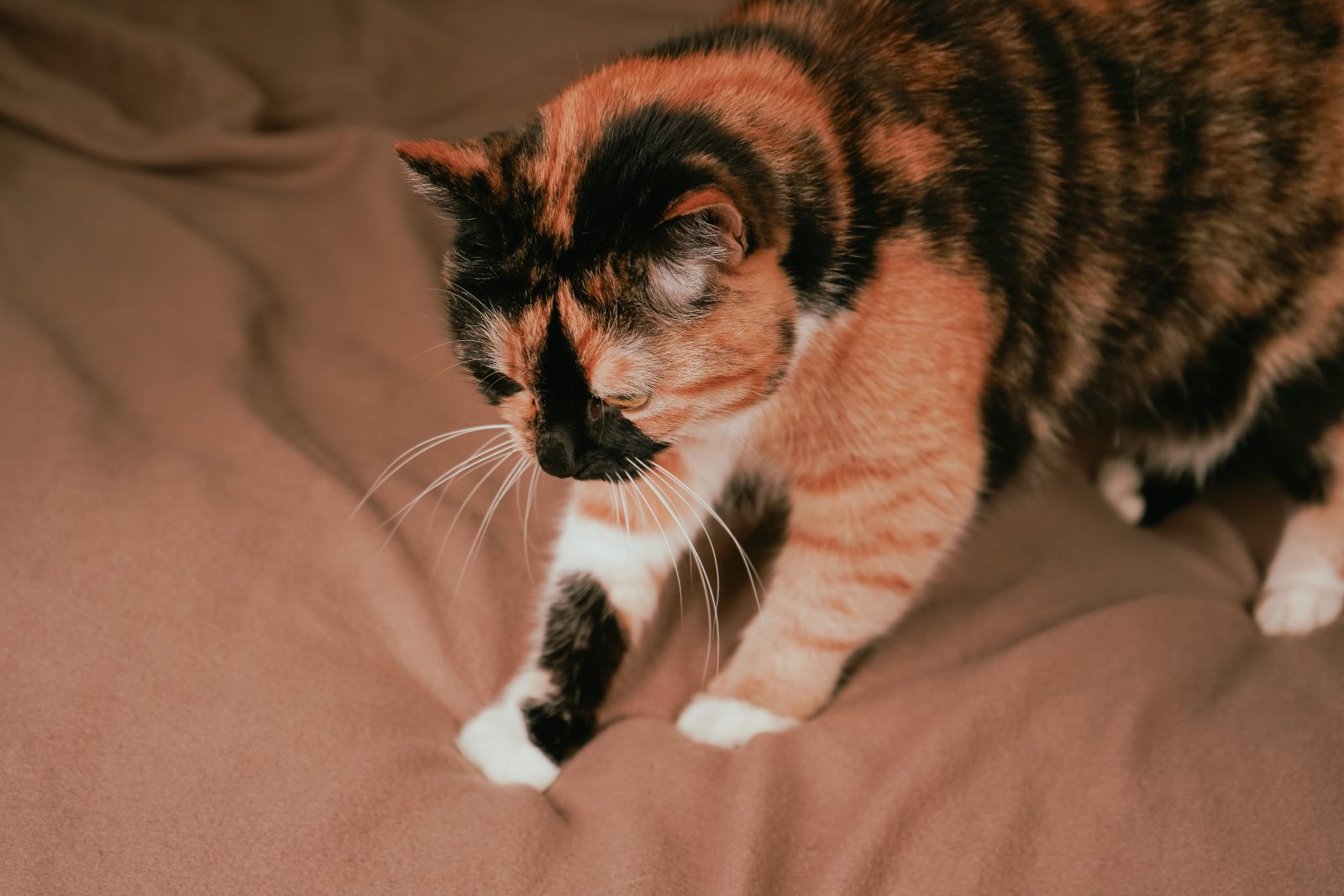

You’re cosy in bed with a book when your little purr machine jumps up, settles in and starts rhythmically pushing his paws back and forth on your lap.
It’s usually accompanied by soft, content purrs and a look of pure happiness. This adorable habit is often called “making biscuits”, but kneading is more than a cute quirk. It is a natural behaviour linked to comfort, instinct and connection.
Kneading begins early
Kneading starts in kittenhood.
When nursing, kittens knead their mother’s belly to help stimulate milk flow. Over time, this motion becomes associated with the comfort of feeding and their mother’s calming pheromones.
Because of that strong connection to safety and contentment, many cats continue kneading well into adulthood.
A natural instinct
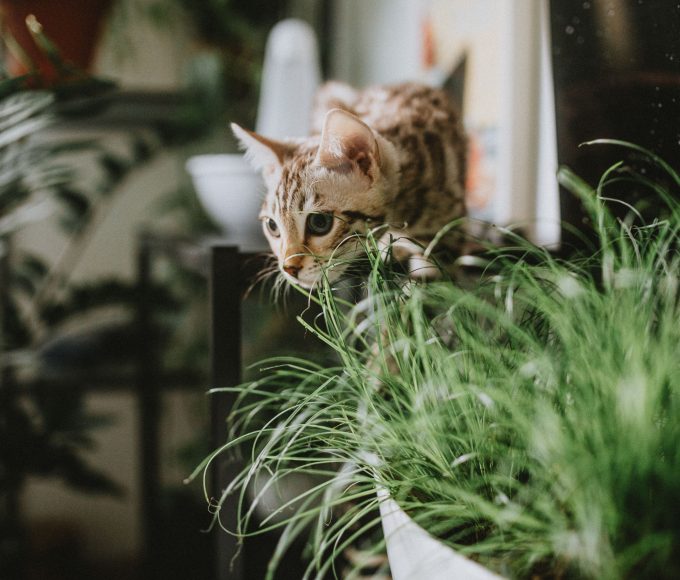
In the wild, cats often knead soft grass or foliage to create a comfortable resting spot before lying down.
That instinct remains in domestic cats today, which is why your cat might knead blankets, cushions or your lap before settling in for a nap.
Kneading may also be a way of claiming territory. Cats have scent glands between their toes, and when they knead, they release pheromones that subtly mark the spot as their own.
Seeking attention
Cats are quick learners.
If your kitten once received extra affection while kneading on your lap, he likely learned that this behaviour gets a positive response.
As a result, kneading can become a way to reconnect, ask for attention and enjoy affection from you.
It feels good
Think of kneading as your cat’s version of a satisfying stretch.
The rhythmic motion flexes and extends their muscles, helping them stay flexible while also promoting relaxation.
For many cats, kneading is soothing, comforting and part of how they settle down.
What if you don’t love it?
Kneading may be wonderful for your cat, but it is not always pleasant for you, especially when claws are involved or your favourite clothes are at risk.
If you want to redirect the behaviour, keep a soft, cat-friendly blanket nearby.
Gently place the blanket on your lap or next to you when kneading begins. If your cat does not enjoy being picked up, softly guide him towards the blanket instead.
Once he settles there, offer praise, gentle petting or a small treat.
Positive reinforcement helps your cat associate the blanket with comfort, so you can both relax happily.






Leave a comment