

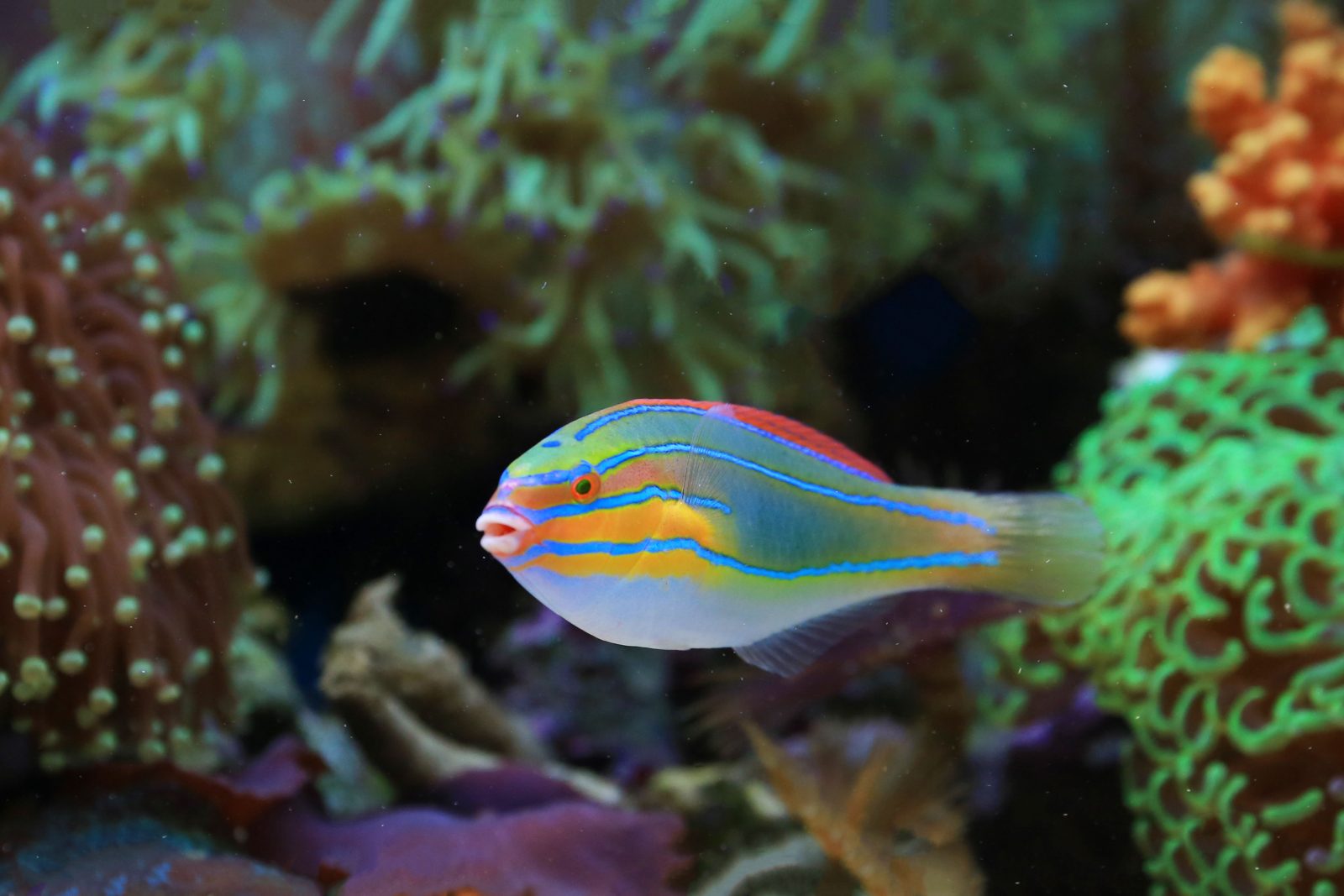

“All too often, aquatic pets such as fish are considered ‘simple’ or even ‘disposable’. In reality, keeping them successfully and ethically is a complex, time-consuming hobby,” says Dr Dorianne Elliott, Avian and Exotic Animal veterinarian at Valley Farm Animal Hospital.
In an aquarium, stress is more than a feeling. It triggers a biological chain reaction that weakens a fish’s immune system and increases the risk of disease, fin rot and sudden death.
The good news is that much of this stress can be prevented through proper water quality, appropriate tank conditions and choosing compatible fish.
Dr Elliott shares her advice for creating a healthy, low-stress aquarium.
Water chemistry and filtration
To a fish, water is the equivalent of air.
“Fish release all their waste into the water, which can quickly reach toxic levels if unmanaged,” explains Dr Elliott.
“Specialised filtration is essential to remove organic matter and provide a surface for beneficial bacteria to process waste through the nitrogen cycle.”
A useful guideline is to choose a filter capable of turning over the aquarium’s water volume four to six times every hour.
When cleaning the filter, rinse it in old tank water rather than tap water, as chlorine can kill the beneficial bacteria that help maintain water quality.
Why cycling a new aquarium matters
According to Dr Elliott, introducing fish into a brand-new aquarium too soon is one of the most common mistakes made by new fish keepers.
“The nitrogen cycle takes two to three weeks to mature. Never introduce fish immediately to a new tank, as immature filters cannot handle waste, leading to poor water conditions. Patience at this stage is critical for a healthy environment.”
How to cycle an aquarium without fish
- Set up the aquarium with the filter, heater and dechlorinated water.
- Add an ammonia source. Pure ammonia is the easiest option. If unavailable, add a raw store-bought shrimp or a small pinch of fish flakes each day as they decompose and release ammonia.
- Test the water every few days using a liquid test kit. Ammonia levels will rise before falling as nitrites appear. Nitrates will then increase while ammonia and nitrite levels return to zero.
- The aquarium is fully cycled when enough ammonia can be added to reach 2 to 4ppm and both ammonia and nitrite levels return to 0ppm within 24 hours. Once this happens, perform a 50% water change to reduce nitrate levels before introducing fish.
Maintaining healthy water
Cycling an aquarium establishes balance, but regular maintenance keeps it healthy.
“Even with filtration, nitrates remain, requiring regular partial water changes, typically 30% each week,” says Dr Elliott.
“Tap water should be treated to remove chlorine, which is highly toxic to fish. Other water parameters to monitor include temperature, pH, hardness, and total dissolved solids.”
Choosing the right fish
Not every fish is suited to every aquarium.
“Research their environmental needs before purchasing. Tropical fish and goldfish, for example, require different temperatures. Some fish need soft water, others hard. Live plants help absorb nitrates and provide enrichment, hiding spots, and food,” says Dr Elliott.
Understanding social behaviour
Fish can also become stressed when housed with incompatible tankmates.
“Placing fish in inappropriate environments or with incompatible tankmates causes stress and can be fatal,” says Dr Elliott. “Some species thrive in groups, while others should be kept alone. A fish store can guide suitable choices.”
She explains that tetras, rasboras, danios and corydoras should be kept in groups of six or more of their own species.
Territorial species, including betta fish, many cichlids and dwarf gouramis, require clearly defined territories within the aquarium.
Recognising signs of stress
Knowing what is normal for each species makes it easier to spot problems early.
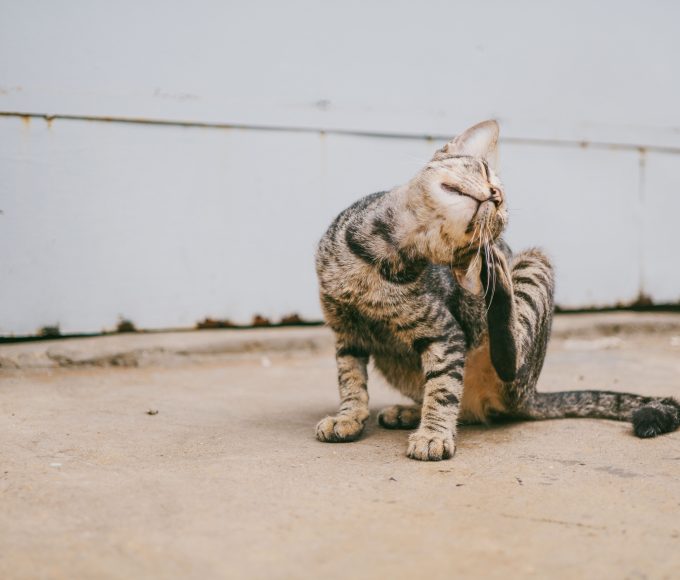
“Signs of stress include pale colours, bloating, skin abnormalities, hiding, unusual swimming patterns, clamped fins, ‘flashing’ (rapidly rubbing, scratching, or dart against hard surfaces to dislodge irritants) or loss of appetite,” explains Dr Elliott.
Avoid overfeeding
Overfeeding is one of the most common causes of poor aquarium health.
Fish have very small stomachs, roughly the size of their eyes, and uneaten food quickly decomposes, increasing ammonia levels.
“Feed only what fish consume in two to three minutes, twice daily, to prevent excess food from decomposing and causing toxic spikes,” says Dr Elliott.
A healthier aquarium starts with good habits
“Aquarium keeping is a growing and rewarding hobby. By following these steps, monitoring water quality, and doing some extra reading, you can maintain a healthy, stress-free environment for your aquatic pets,” concludes Dr Elliott.








Leave a comment