

While many South Africans were preparing to dedicate 67 minutes to helping others over Mandela Day weekend, a small team of conservationists, police officers and veterinarians spent 48 hours fighting to save one extraordinary life.
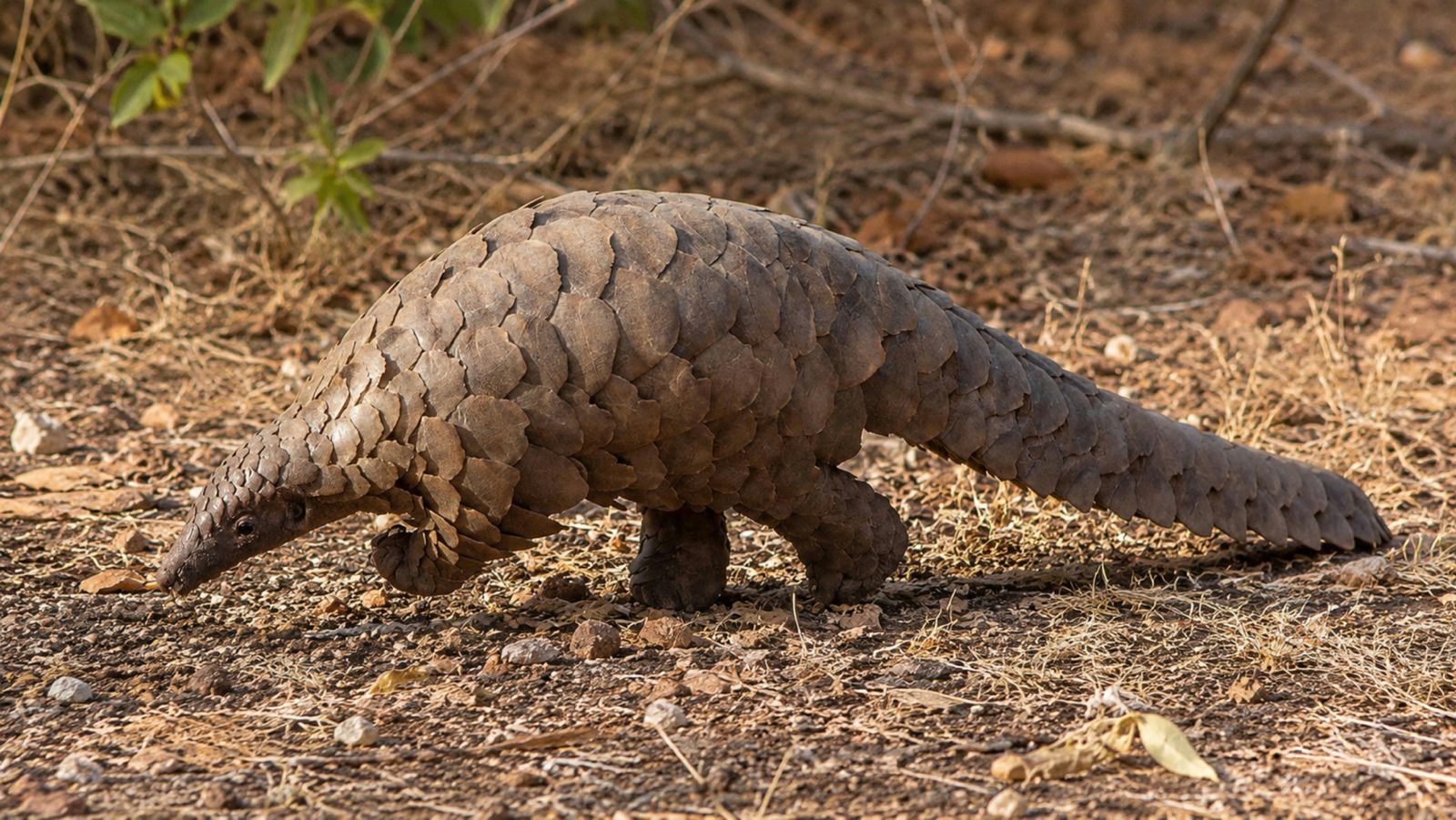
That life belonged to Percival, a Temminck’s pangolin, one of the world’s most heavily trafficked mammals, rescued during a high-risk sting operation in the Western Cape.
Pangolin rescued during wildlife trafficking sting
Percival’s rescue began on 17 July when members of the Malmesbury Stock Theft Unit raided a suspected illegal wildlife trafficking operation.
During the operation, officers recovered the live pangolin and arrested five suspects, aged between 28 and 53.
The suspects now face charges relating to the illegal possession and trade of an endangered species.
Pangolins are protected under both South African legislation and the Convention on International Trade in Endangered Species of Wild Fauna and Flora (CITES). Capturing, possessing, transporting or trading the animals without the required permits is illegal.
A conservation officer answered the call
For trafficked pangolins, rescue is only the first hurdle.
These shy mammals experience extreme stress in captivity, which can quickly lead to systemic shock and organ failure if they do not receive specialist treatment.
CapeNature said Environmental Management Inspector Asgar Vahed was contacted to assist and immediately stepped in, despite being on leave.
Working under the guidance of the Johannesburg Wildlife Veterinary Hospital (JWVH), Vahed focused on keeping the frightened pangolin calm while urgently searching for a veterinarian able to provide emergency treatment.
An unexpected patient
Vahed found help at a veterinary practice in Malmesbury, where Dr Lynne Klug agreed to treat a species she had never encountered before.
With remote support from the specialist team at JWVH, Dr Klug began stabilising Percival.
The team worked through the night to keep the pangolin warm, hydrated and comfortable, but it soon became clear he needed specialist care available only in Johannesburg.
Airlift to specialist care
Airline partner Airlink and conservation organisation Impact for Wildlife quickly stepped in to help.
Within hours, Vahed and Percival were on a flight to Johannesburg, where the pangolin was admitted to the Johannesburg Wildlife Veterinary Hospital.
The hospital is South Africa’s only facility mandated to treat, rehabilitate and release trafficked pangolins in partnership with the African Pangolin Working Group.
A reminder of what’s at stake
Percival’s rescue highlights the ongoing threat facing pangolins, which remain the world’s most heavily trafficked wild mammals due to the illegal wildlife trade.
His survival depended on the coordinated efforts of law enforcement officers, conservation officials, veterinarians, airline partners and wildlife organisations working together under immense pressure.
As CapeNature reflected following the rescue, collective compassion has the power to make the difference between extinction and survival, one rescued pangolin at a time.



Leave a comment