


More families are surrendering their pets to the Cape of Good Hope SPCA, while demand for affordable veterinary care has surged by more than 50% in just one year.
The animal welfare organisation recorded a 43.7% increase in pets surrendered by families during 2025/26, while the total number of stray, surrendered and seized animals entering its care rose by 12.3% to 27,181.
Almost 3,000 more animals needed the SPCA’s help compared with the previous year.
At the same time, the number of pets brought to the SPCA Animal Hospital by their owners for treatment increased from 35,332 to 53,686, a rise of 51.9%.
The figures highlight the growing pressure on animal welfare services as more households struggle to access affordable veterinary care.
Rather than focusing solely on rescuing animals after problems arise, the SPCA is expanding efforts to prevent those problems in the first place.
New animal transport vehicle launched in Elsies River
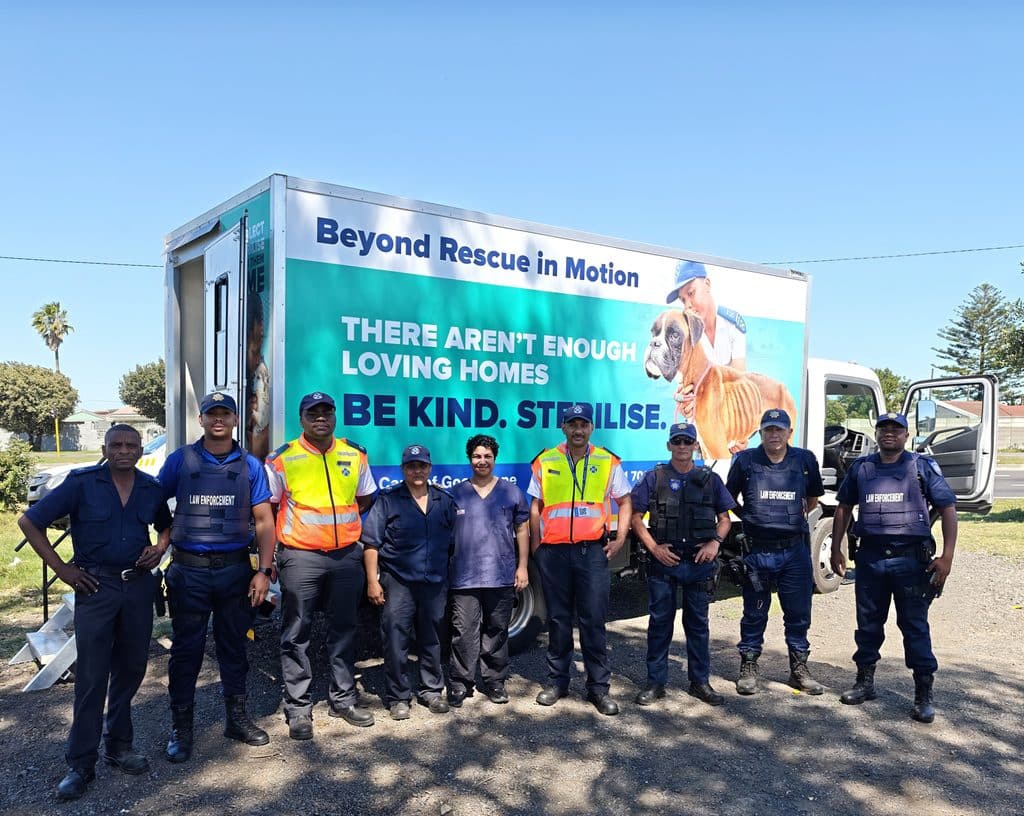
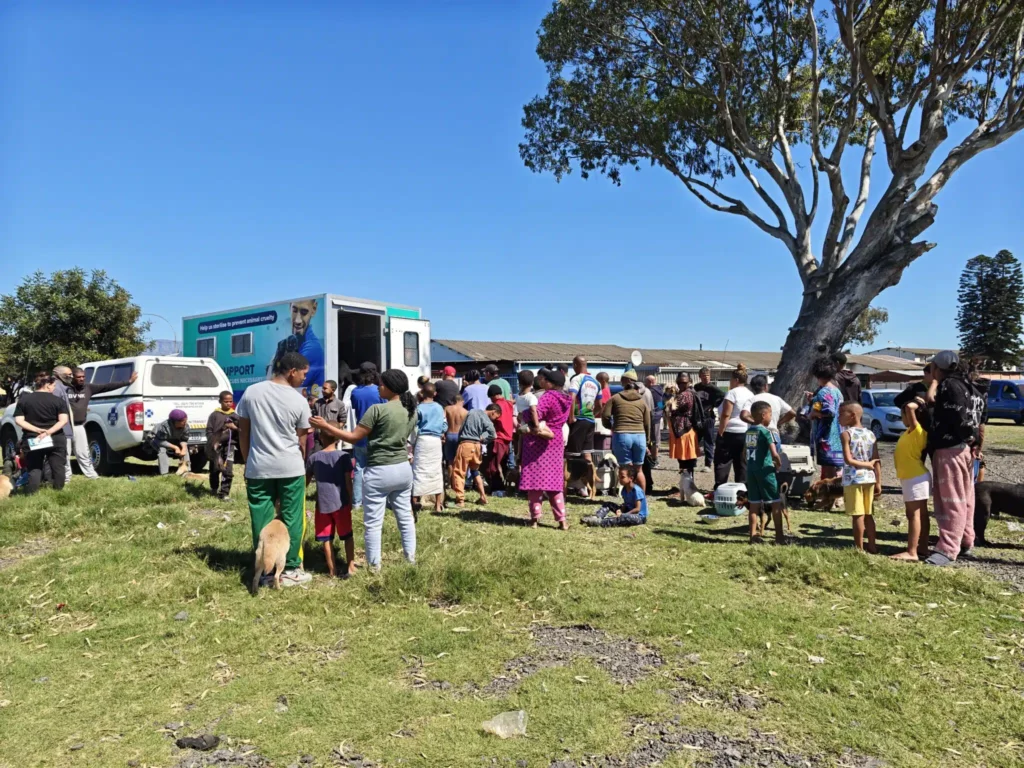
Ahead of World Animal Day on 4 October, the Cape of Good Hope SPCA launched a customised animal transport vehicle in Elsies River on 29 September.
The vehicle can transport 20 animals from communities to the SPCA Animal Hospital for sterilisation, microchipping and vaccination, before returning them home after recovery.
Its first outing demonstrated the demand for accessible veterinary services.
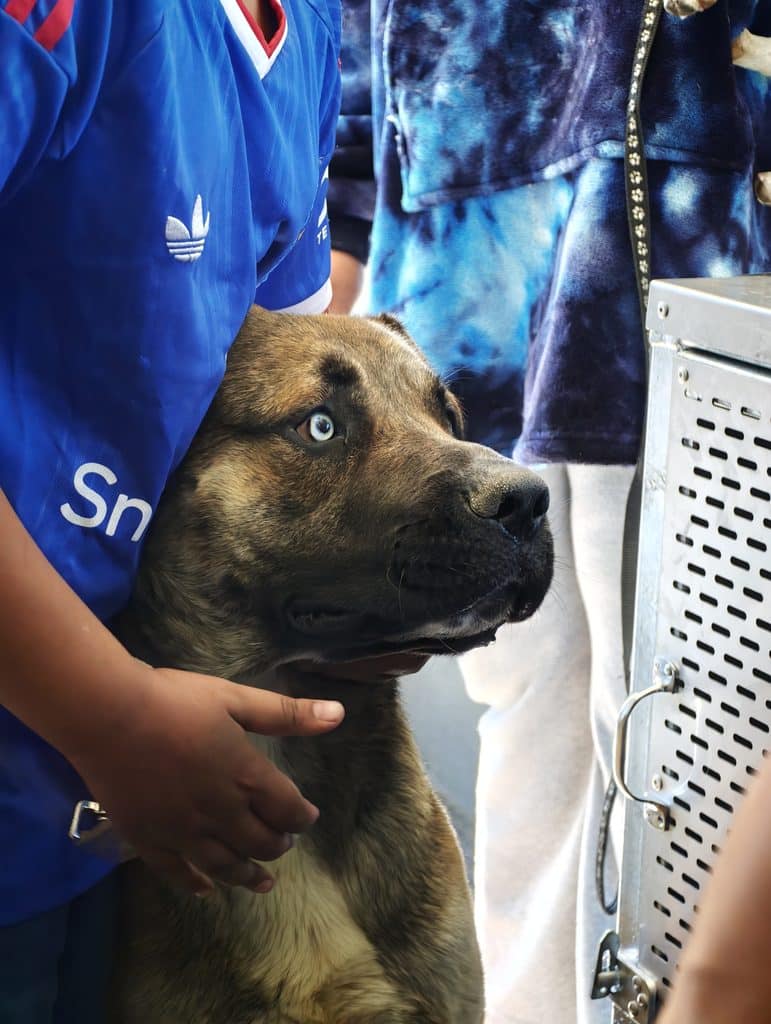
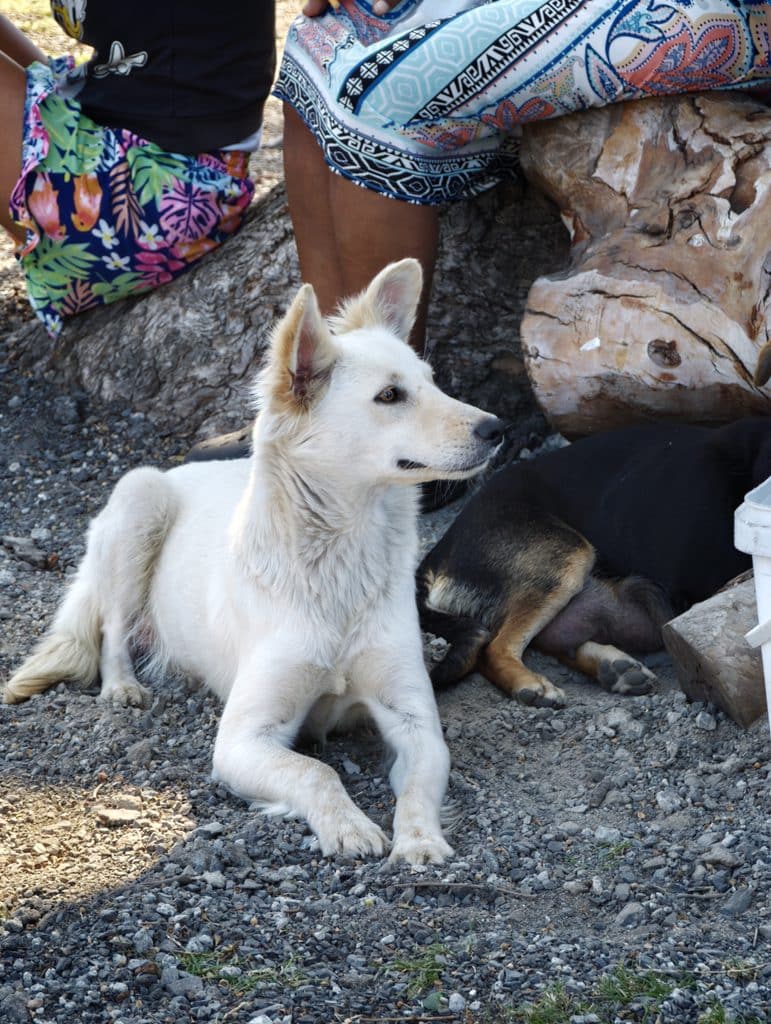
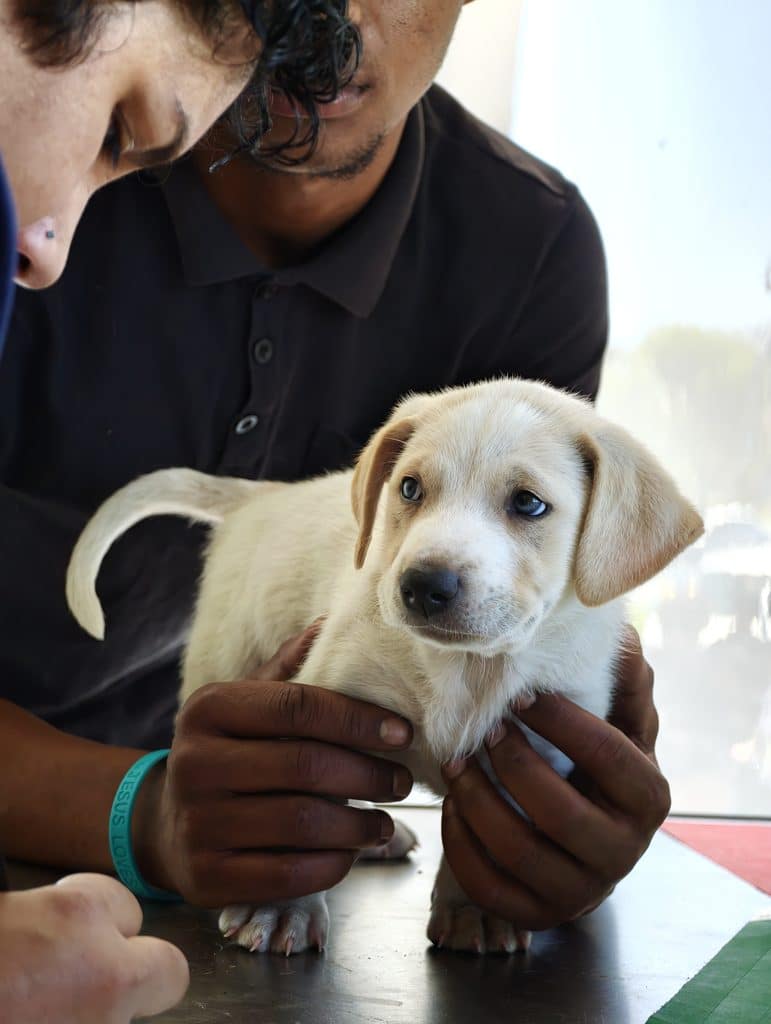
Almost 100 people attended the Elsies River outreach with their animals.
During the event:
- 65 animals received parasite treatment and rabies vaccinations.
- 21 animals were transported to the SPCA for sterilisation.
- Qualifying pet owners were offered sterilisation at no cost.
Cape of Good Hope SPCA CEO Mqabuko Moyo Ndukwana said the response showed that pet owners want to care for their animals when services are within reach.
“What we saw in Elsies River tells us something important about pet owners,” says Ndukwana. “People came. They brought their animals. Twenty-one animals came back with us for sterilisation. The care for animals is there. Our job is to understand what stands in the way and remove those barriers wherever we can.”
SPCA aims to sterilise 10,000 animals in 2026
The new vehicle forms part of the SPCA’s Beyond Rescue strategy, which focuses on preventing animal welfare problems through earlier intervention.
The strategy addresses three major barriers to veterinary care: affordability, accessibility and transport availability.
During 2025/26, the SPCA performed 7,053 sterilisations, an increase of 11.5% from the previous year.
It has now set a target of 10,000 sterilisations in 2026.
At the time of the announcement, almost 6,500 animals had already been sterilised, with three months remaining to reach the target.
“Ten thousand is a big target because we are dealing with a big problem,” says Ndukwana. “Every sterilisation means fewer unwanted litters being born into circumstances where they are unwanted. With nearly 6 500 already completed and three months still to go, we are on track. The aim is to reduce the number of animals who may become tomorrow’s strays, surrenders and cruelty cases, and ultimately reduce the volume of animals depending on the SPCA for care.”
Cost and transport prevent pets from getting veterinary care
According to the South African Veterinary Council, most South Africans cannot afford private veterinary fees, leaving animal welfare organisations and community initiatives to meet much of the need.
Areas where cost, distance, transport and limited veterinary services prevent animals from receiving care are increasingly described by researchers as veterinary care deserts.
The Cape of Good Hope SPCA encounters these challenges through its community outreach programmes.
In 2025/26, its mobile clinics:
- Reached 21,000 animals across 27 community sites
- Administered 15,586 vaccinations
- Provided more than 17,000 deworming treatments
“People want to care for their animals,” says Ndukwana. “The question is what stands between that intention and the care their animal needs. It may be the fee. It may be transport. It may be that there is no veterinary service nearby. Sometimes it is a belief about sterilisation that we need to understand and address. Different barriers require different solutions.”
The SPCA’s approach is to address these obstacles before animals become strays, are surrendered or require emergency intervention.
Lavender Hill shows the impact of sustained intervention
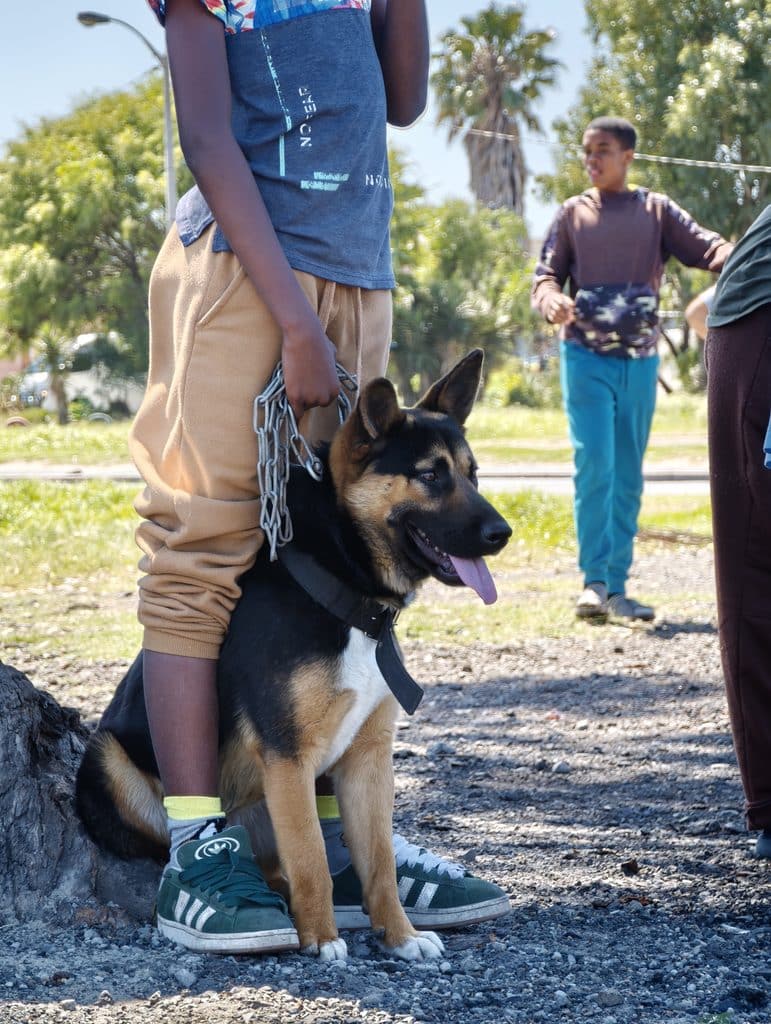
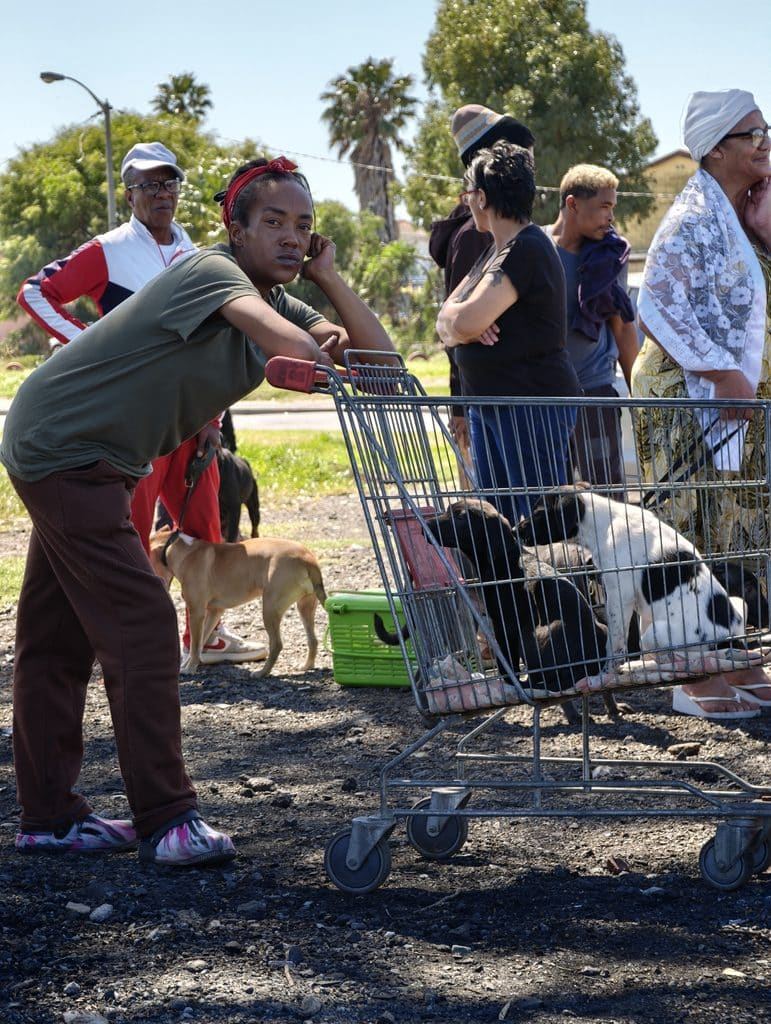
The SPCA says nearly three years of focused sterilisation and outreach in Lavender Hill, conducted with animal welfare partners, have coincided with fewer puppies and kittens entering its care.
The area has also recorded a marked decline in animal cruelty complaints.
The organisation believes sustained population management is important because removing animals without addressing unwanted breeding does not prevent populations from growing again.
“When 27 181 animals are arriving at your doors and demand for affordable veterinary care has increased by more than 50% in a year, becoming better at taking animals in cannot be the answer,” says Cape of Good Hope SPCA CEO Mqabuko Moyo Ndukwana. “We have to employ an upstream strategy today to change the conditions that will determine how many need us tomorrow.”
New research to investigate animal welfare challenges
The SPCA is also undertaking what it describes as the first behavioural research programme of its kind in South Africa, funded by UK animal welfare charity Battersea.
The research will investigate why animal care breaks down and which interventions are most likely to produce lasting changes in behaviour.
The work forms part of the organisation’s Beyond Rescue strategy, which includes sterilisation, accessible veterinary care, community outreach, humane education, research, enforcement and animal protection.
The SPCA wants to better understand which approaches can create lasting improvements rather than repeatedly responding after animals have already suffered.
World Animal Day highlights the need for prevention
The official World Animal Day 2026 theme was “See the World Through Their Eyes”.
For the Cape of Good Hope SPCA, the message reinforces the need to consider how human decisions and circumstances affect animals.
“If we could see the world through their eyes, I think we would understand how much depends on the choices and circumstances around them,” says Ndukwana. “Animals do not choose to be born into an unwanted litter or into an area where veterinary care is inaccessible. They only live with the consequences.”
He believes meaningful change requires tackling the circumstances that lead animals into distress.
“That places a responsibility on us to understand what is driving the problem and to intervene accordingly. We cannot simply remove animals and expect the conditions that produced them to disappear. We have to make responsible choices possible, make veterinary care reachable and reduce unwanted breeding. Coexistence is engineered, not wished for.”
The SPCA’s full strategy and supporting figures are detailed in its 2025/26 Impact Report.








Leave a comment