

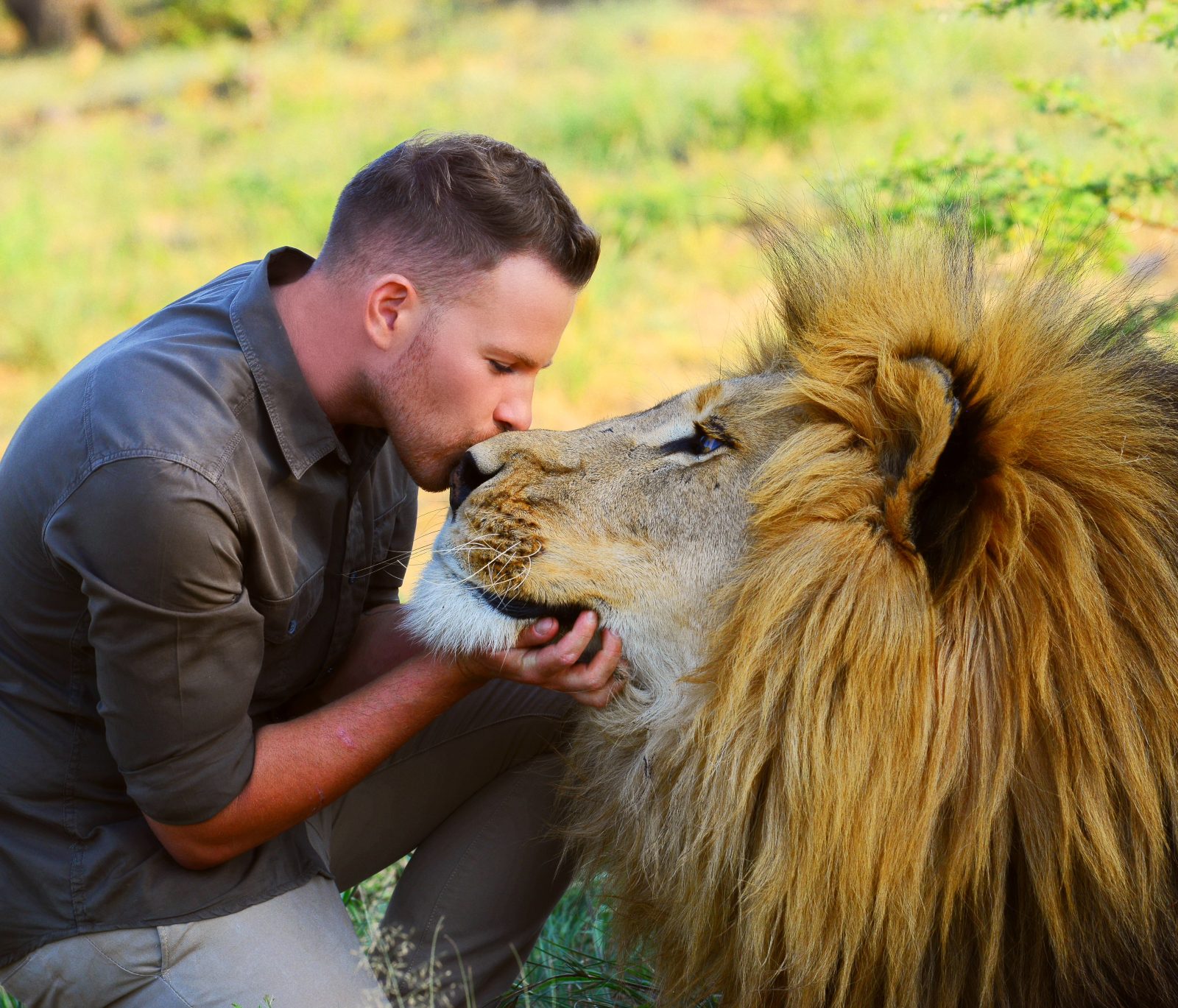

As the world marks World Wildlife Day on 3 March, South Africa stands at a defining moment in conservation. Home to some of the planet’s most iconic species, the country continues to balance biodiversity protection with a thriving tourism economy.
Today, conservation goes far beyond preservation. It requires science-led ecosystem management, structured planning and long-term sustainability.
Behind Every Thriving Reserve
Modern conservation depends on:
• Ecological planning
• Veterinary science
• Habitat management
• Genetic oversight
• Compliance and regulation
• Sustainable tourism strategy
This work is deliberate and constantly evolving.
At the forefront is Shandor Larenty, Group Wildlife and Conservation Manager at Lion & Safari Park.
Why South Africa Leads Globally
According to Larenty, South Africa does not simply protect wildlife. It actively manages it.
“Our private reserves, national parks and conservation networks have created one of the most advanced wildlife management systems in the world,” he explains.
From rhino protection strategies to structured breeding programmes and habitat restoration, the country has built a system that integrates conservation with sustainable tourism.
Wildlife is experienced responsibly. That experience generates funding, employment and long-term viability.
Debunking Conservation Myths
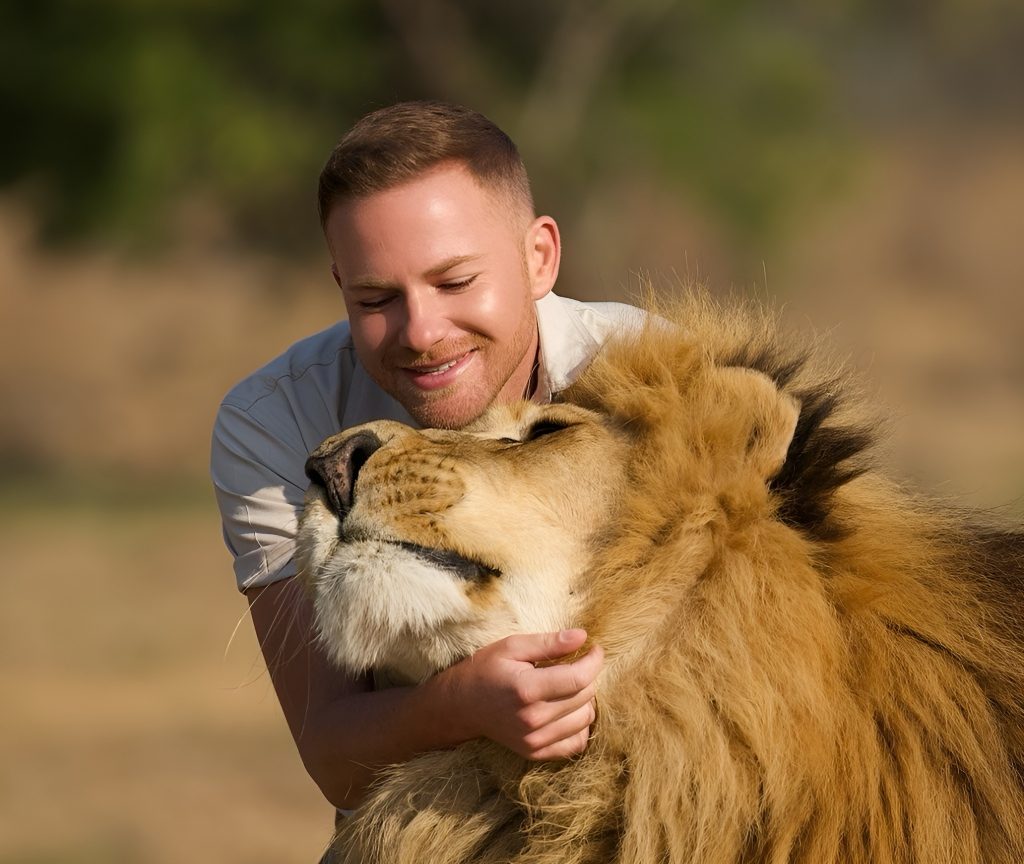
Larenty challenges common misconceptions.
“Conservation is not simply about loving animals. It is policy, genetics, nutrition, veterinary oversight and financial sustainability.”
Another myth is that wildlife can survive if left alone. In modern South Africa, fenced reserves, land fragmentation and human expansion require active management. Conservation today is hands-on and science-driven.
The Power of Storytelling
Social media has reshaped how the world sees African wildlife.
“Facts inform people, but stories move them,” Larenty says.
Digital storytelling builds emotional connection. That connection drives funding, behavioural change and global support. Used responsibly, social platforms become powerful conservation tools.
Career Paths Beyond the Bush
For young South Africans passionate about animals, conservation offers more than field guiding or veterinary science.
Opportunities include:
• Wildlife nutrition
• Environmental compliance
• Research and data analysis
• Ecological rehabilitation
• Conservation finance
• Policy development
• Tourism strategy
• Communications
Wildlife protection requires professionals in laboratories, offices and digital spaces, not only in reserves.
A Shared Responsibility
Larenty’s message for World Wildlife Day is direct.
“Wildlife is not someone else’s responsibility. It belongs to all of us.”
South Africa’s biodiversity supports tourism, ecosystem services and national identity. Protecting it requires awareness, accountability and pride.
One Action You Can Take Today
Become informed and intentional.
Reduce waste. Support ethical conservation initiatives. Make conscious daily decisions. When millions act responsibly, collective impact follows.
As World Wildlife Day highlights nature’s value, the Lion & Safari Park calls on South Africans to step forward as active custodians of the wildlife that defines the nation.







Leave a comment