

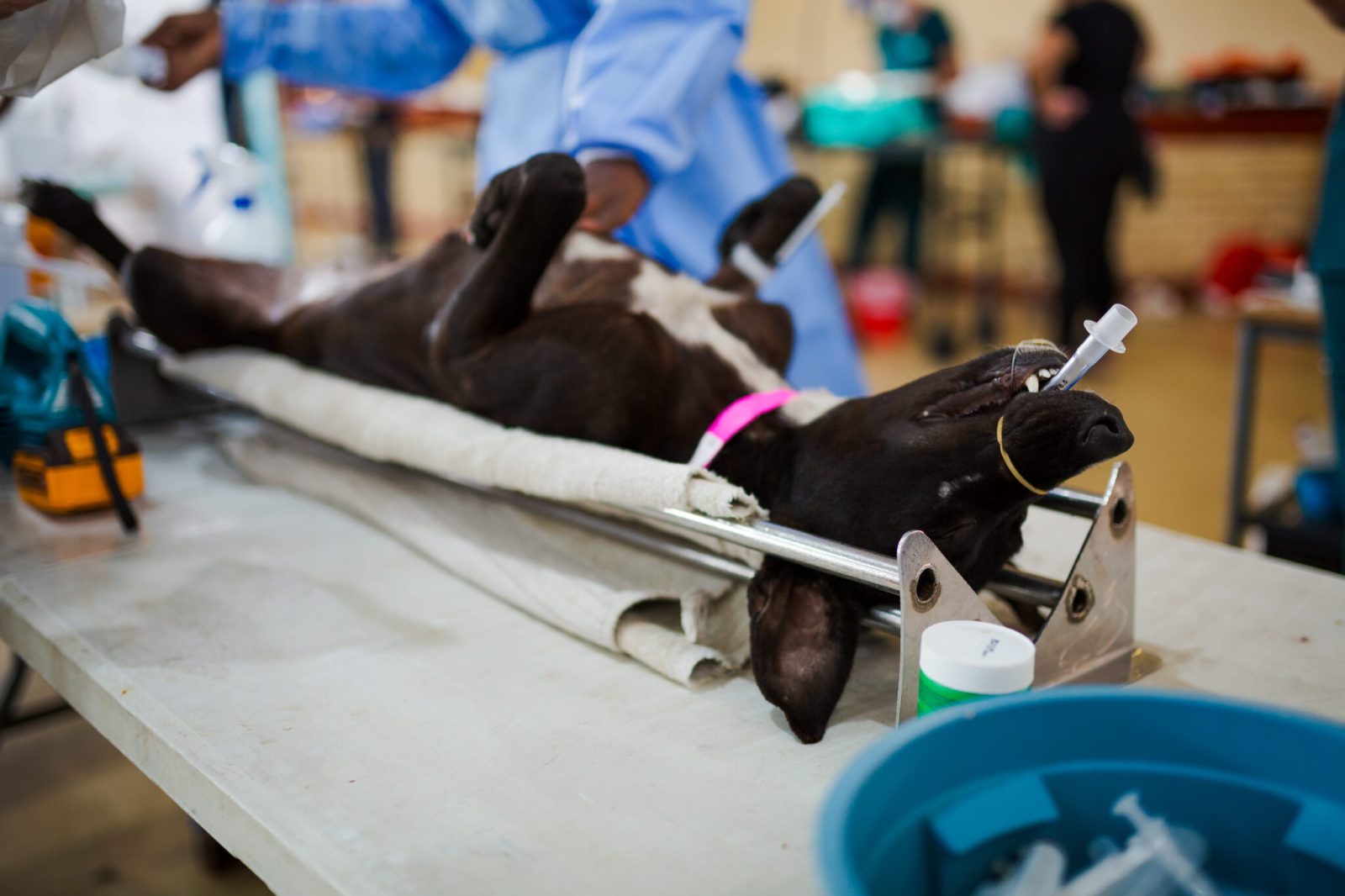

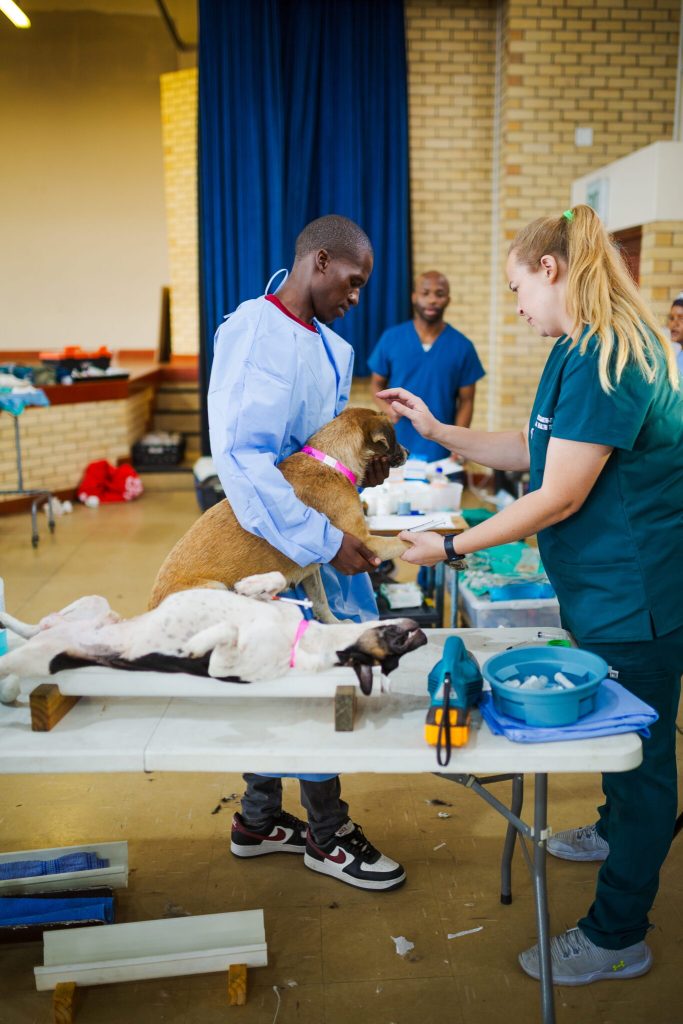
A two-day mass sterilisation drive in Lavender Hill and Cafda Village has resulted in 207 dogs and cats being sterilised, as the Cape of Good Hope SPCA, Paws a While and Aid4Animals in Distress intensified a coordinated effort to reduce the flow of stray, unwanted and abandoned animals into an already strained welfare system.
Hosted at the Levana Primary School Hall on 24 and 25 February 2026, the initiative formed part of a broader collaborative strategy to unite the welfare sector around a single objective: preventing animals from being born into conditions where care, resources, and long-term guardianship cannot be sustained.
Sterilisation interrupts a cycle that often begins with informal breeding and ends in neglect, abandonment, surrender or unavoidable euthanasia.
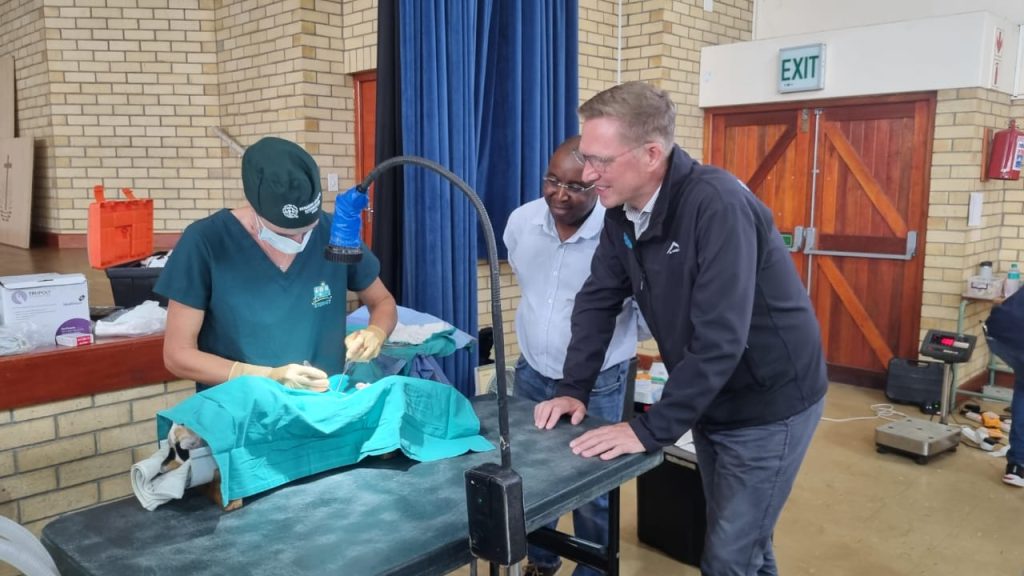
Alderman JP Smith, Mayco Member for Safety and Security, visited the site and engaged with veterinary teams.
“If you have compassion for the animal companions in your home, it becomes difficult to imagine any animal in our city living with cruelty or neglect,” he said.
“Sterilisation campaigns are perhaps the single most important intervention available to ensure that hundreds or even thousands of unwanted animals do not end up at welfare organisations that cannot find homes for them because there are too few good homes available.”
Smith added that the Cape Animal Welfare Forum has expanded the reach of mass sterilisation with City support, aiming each year to prevent more suffering and build more stable homes.
Sterilisation: High-volume prevention
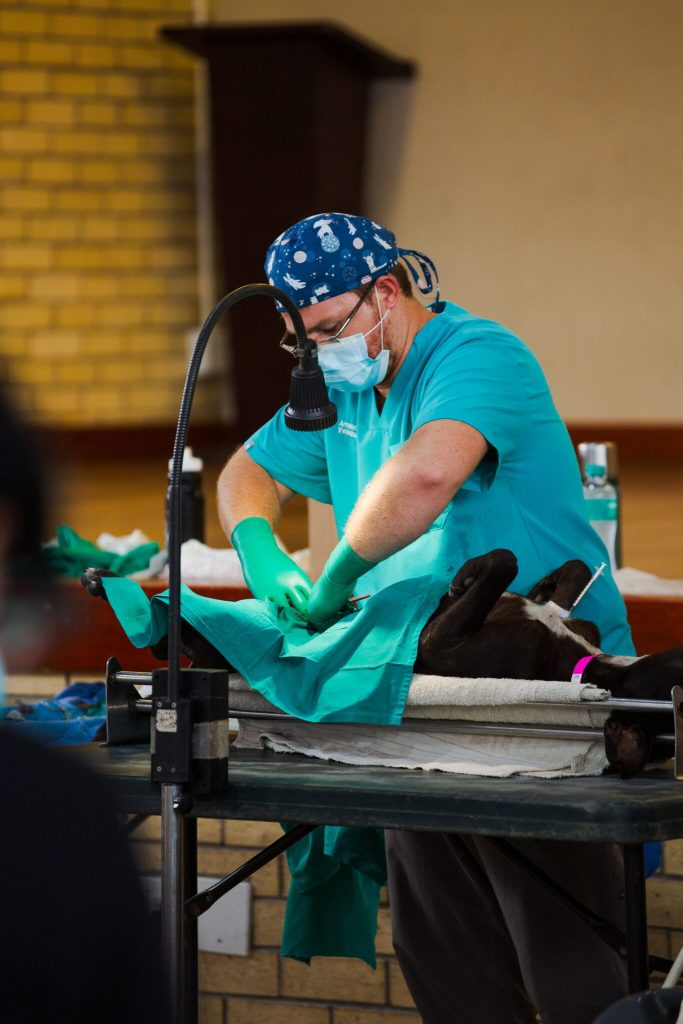
Three veterinarians from Sterivet performed surgeries over the two days. Animals were signed up in advance and transported in SPCA vehicles, with walk-ins also accommodated.
The Cape of Good Hope SPCA admits an average of 2 300 unwanted and stray animals each month. Around 69 percent are pets that people no longer want. Last year, 451 animals were surrendered specifically because owners reported that the animals would not stop breeding or that there were already too many in the home.
Operating under a policy of never turning an animal away, the SPCA continues to accept animals brought in by the public, law enforcement and other welfare groups.
“Compassionate euthanasia remains one of the most difficult responsibilities in animal welfare, and too often the SPCA becomes the organisation that must carry that burden for a wider system under pressure,” said Belinda Abraham, spokesperson for the Cape of Good Hope SPCA.
“Every sterilisation performed is an act of prevention. It reduces the number of animals who will one day face neglect, abandonment or the prospect of euthanasia because there is simply nowhere left for them to go.”
Cost remains a barrier
An onsite survey by the SPCA found that 60.4 percent of respondents acquired pets through informal breeding or private exchanges. Of these, 61.5 percent sourced animals via digital channels, 23.1 percent bought from someone they knew, and 15.4 percent obtained an animal from a community member whose dog had produced puppies.
While 83 percent of pet owners understood sterilisation as a responsibility, cost remains a major barrier. One in three reported difficulty affording veterinary care, with sterilisation, illness and injury cited as the hardest expenses to manage.
This pattern places predictable pressure on households and welfare organisations. Puppies and kittens are born into homes without the means to sterilise, vaccinate or treat illness. When costs rise or litters become unmanageable, animals are neglected, surrendered or abandoned.
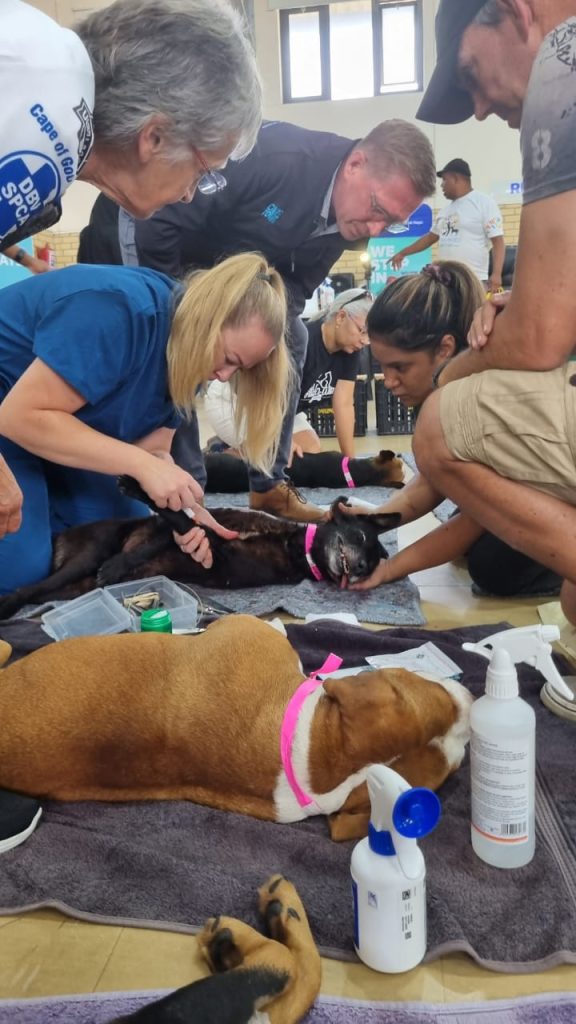
Sustained impact: 207 sterilisations
The Lavender Hill and Cafda Village drive forms part of the SPCA’s We Step in Together campaign, now in its second year. Since February 2025, collaborative efforts with Aid4Animals in Distress and Paws a While have resulted in 919 animals being sterilised in Lavender Hill alone.
Earlier this month, the SPCA funded sterilisation drives in the De Novo community of Kraaifontein, where 48 animals were sterilised. Seven additional welfare organisations also benefit from welfare-rate sterilisations through the SPCA Animal Hospital before rehoming animals.
A two-day surgical intervention of this scale can exceed R150 000. The SPCA’s target of 10 000 sterilisations this year carries an estimated cost of R5 million.
“207 sterilisations over two days is a meaningful achievement, but the true value lies in what will never occur as a result,” said Moyo Ndukwana, CEO of the Cape of Good Hope SPCA.
“Fewer animals will be born into hardship. Fewer families will face the distress of being unable to care for growing litters. Sustained sterilisation protects not only animals but the character and well-being of the communities we serve.”
Carolyn Dudgeon, founder of Paws a While, said high-volume, repeated sterilisation changes the trajectory in communities overwhelmed by unsterilised animals.
Grant O’Neill, chairman of Aid4Animals in Distress, added that sterilisation remains the most effective way to end the suffering of unwanted animals and reduce pressure on families and foster homes.
The SPCA is calling for sustained investment in sterilisation programmes, stronger collaboration across the welfare sector and responsible pet guardianship that includes sterilisation as a baseline commitment.







Leave a comment