

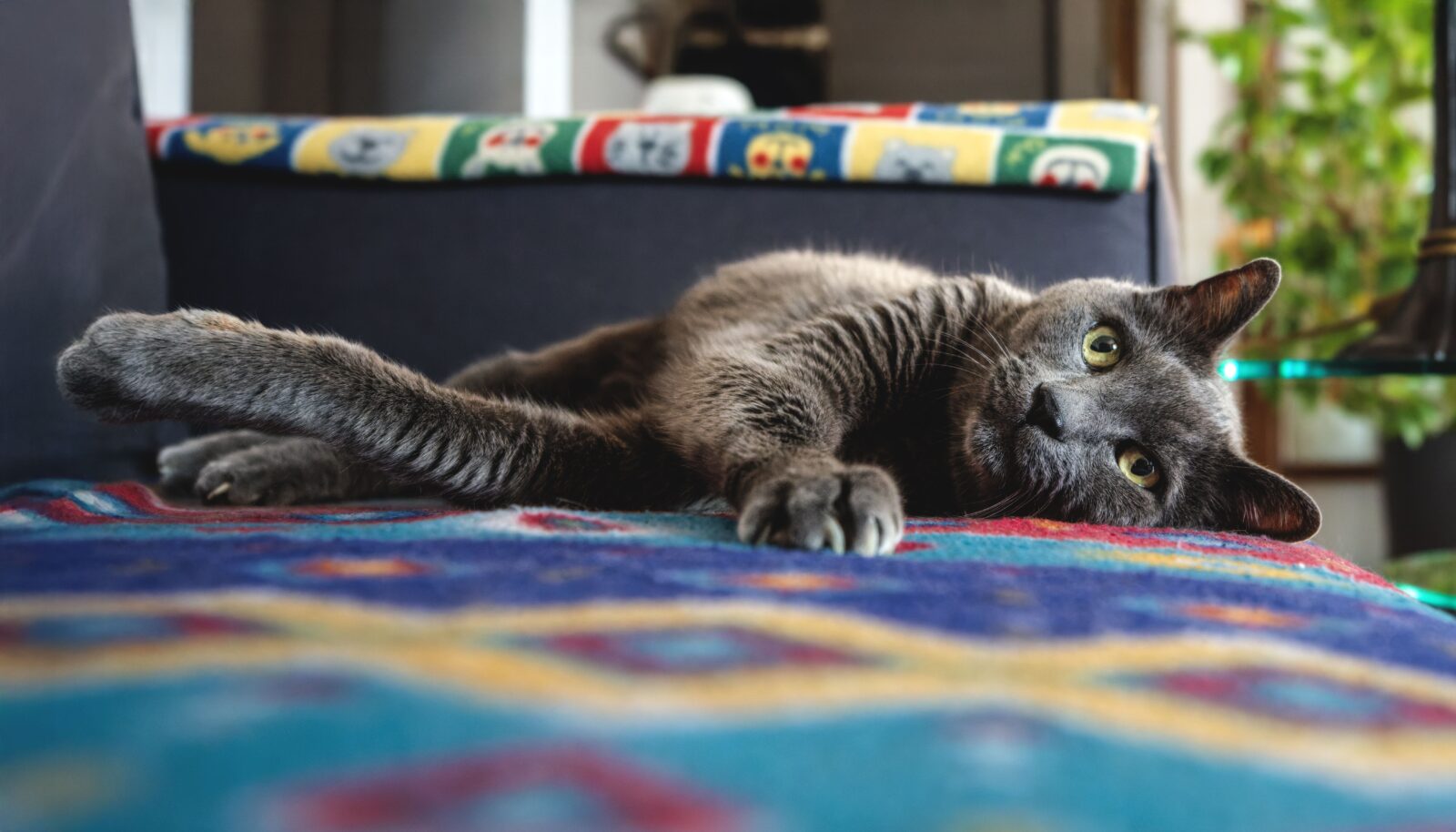

Cats are masters at hiding pain, which means a small change in appetite, grooming, movement, behaviour or routine might be the first indication to an owner that something is wrong.
September, recognised globally as Animal Pain Awareness Month, puts the focus on spotting those changes and getting pets the care they need.
But for cats, the vet visit itself presents another challenge.
The carrier, journey and unfamiliar sounds, sights and smells of a veterinary practice can create a stressful experience before an examination even begins.
It is a problem the University of Pretoria’s Onderstepoort Veterinary Academic Hospital has sought to address through a specialised cat care centre designed around the needs of feline patients.
Opened just over a year ago in partnership with Royal Canin, the centre is Gauteng’s first and South Africa’s second Gold Status facility and has already treated more than 2,000 feline patients.
What signs of pain should cat owners watch for?
Cats don’t always make it obvious when they are unwell or experiencing pain.
Owners should pay attention to changes in:
- Appetite
- Grooming
- Movement
- Behaviour
- Routine
These changes might be subtle, but they could be the first sign that something is off.
The challenge doesn’t necessarily end when an owner decides to seek veterinary care.
For some cats, the stress begins before they even leave home.
Vet visits can be stressful for cats
Any cat owner who has tried to get an unwilling feline into a carrier knows the process isn’t always straightforward.
Once at the vet, the cat is exposed to unfamiliar sights, sounds and smells before being handled by someone they don’t know.
When a cat is already skilled at hiding pain or illness, fear and high stress during an examination can make it harder to establish a clear picture of what is wrong.
A calmer environment gives veterinary professionals a better opportunity to examine, diagnose and treat the animal while making the experience less daunting for owners.
Inside Onderstepoort’s specialised cat care centre
The University of Pretoria’s Onderstepoort Veterinary Academic Hospital designed its specialised centre around this challenge.
The facility has dedicated spaces and separate waiting and consultation rooms, with consideration given to what feline patients see, hear and smell.
Staff and students receive training in low-stress handling, while the environment, handling techniques and clinical practices are considered together as part of patient care.
The wider hospital also has a dedicated ICU for cats, an isolation ward for feline outpatients and a separate area for cats within the small animal clinic.
What does Gold Status mean for a cat clinic?
Gold Status is the highest level in the International Cat Friendly Clinic programme.
It recognises clinics that meet strict standards for facilities, veterinary knowledge and cat-centred care.
Onderstepoort’s facility is the first in Gauteng to achieve the status and the second in South Africa.
More than 2,000 feline patients have already been treated at the centre since it opened just over a year ago.
Training South Africa’s future vets in feline care
The approach extends beyond the cats currently being treated at Onderstepoort.
As a teaching hospital, it trains around 180 veterinary students and 38 veterinary nursing students each year, supported by 90 clinicians and 42 professional nurses.
The knowledge those students gain is then taken into veterinary practices across South Africa.
“At Onderstepoort, we believe feline medicine begins with feline dignity,” says Dr Alfred Kgasi, Director of the Onderstepoort Veterinary Academic Hospital. “Our students learn that a calm cat is a diagnosable cat, and that respect for the patient transforms outcomes for the owner, the clinician and the animal.”
For cat owners, Animal Pain Awareness Month is an opportunity to pay closer attention to the small changes that might otherwise be dismissed.
When cats aren’t always able to show us clearly that something is wrong, noticing changes in the way they eat, groom, move and behave becomes an important part of their care.








Leave a comment