

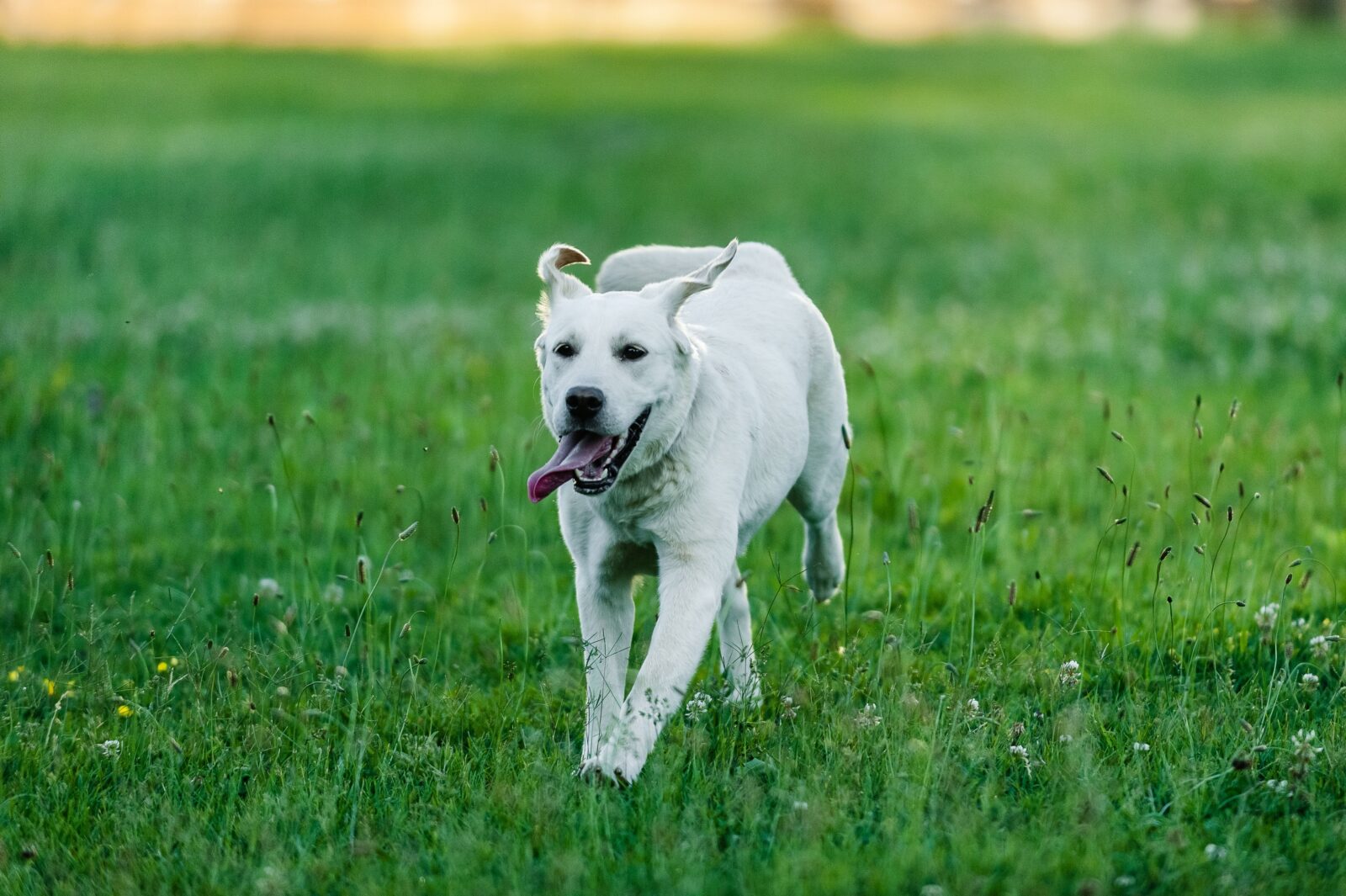

You’re at the park and your Lab is doing what he does best, sprinting after a ball, when suddenly his back legs give out. He wobbles and then collapses.
He’s conscious, but his legs won’t work.
“Few things are more frightening than watching your dog suddenly collapse during exercise,” says Dr Ingrid de Wet of Cottage Vet Clinic.
One possible cause is exercise-induced collapse (EIC), an inherited neuromuscular condition most commonly seen in young, athletic dogs such as Labrador Retrievers.
But a dog collapsing during exercise should never automatically be blamed on EIC, heat or being unfit. Other causes can be life-threatening and require veterinary attention.
Here’s what dog owners need to know.
What are the signs of exercise-induced collapse in dogs?
One of the difficulties with EIC is that an affected dog might appear perfectly healthy until an episode occurs.
“Dogs with EIC appear completely normal at rest. They can look fit, strong, and perfectly healthy,” explains Dr Ingrid. “The problem usually occurs after intense exercise, particularly during high-excitement activities such as retrieving, ball chasing, or competitive play outdoors.”
An episode typically occurs five to 20 minutes into strenuous exercise or excitement.
“The dog may start to wobble in the hind legs, appear weak, or seem disoriented. In some cases, the hindquarters collapse first, while the dog remains alert and aware,” adds Dr Ingrid.
While an episode can be alarming to witness, Dr Ingrid says most dogs recover within five to 30 minutes once the activity stops.
What causes EIC?
EIC is an inherited condition affecting communication between the nerves and muscles during strenuous activity.
“In affected dogs, a specific gene mutation interferes with the normal communication between nerves and muscles during intense exertion,” explains Dr Ingrid.
This interruption in signalling leads to the collapse.
The symptoms, however, can resemble other serious conditions.
A collapse should never be ignored
EIC can be mistaken for heat stroke, a heart problem or a seizure, making proper veterinary evaluation important.
“There are many life-threatening causes of sudden collapse during exercise. Brachycephalic dogs (short-nosed or flat-faced breeds) and dogs predisposed to collapsing tracheas (e.g., Yorkshire Terriers) may collapse because they cannot move enough fresh air into their lungs,” she says. “Dogs with severe heart disease may also faint during exercise. Severe heat stroke and other diseases can cause similar symptoms”
If your dog suddenly collapses while exercising, seek immediate veterinary attention rather than trying to diagnose the cause yourself.
How is EIC diagnosed?
Your vet might recommend blood tests, cardiac assessments and, in some cases, more advanced diagnostic testing to investigate other possible causes.
“Once serious diseases are ruled out, genetic testing for EIC may be considered.”
Genetic testing looks for the DNM1 mutation affecting communication between the nerves and muscles.
“This can confirm whether a dog is affected, a carrier, or clear of the mutation. Responsible breeders often screen breeding dogs to reduce the incidence of this condition,” explains Dr Ingrid.
Can a dog with EIC still exercise?
There is currently no cure for EIC, but Dr Ingrid says the condition can be managed by adjusting how a dog exercises.
“Many affected dogs can live completely normal lives, as long as extreme exertion is avoided,” she adds. “Moderate, controlled exercise is typically safe. Preventing overheating is also important, as heat can exacerbate episodes.”
Owners of dogs diagnosed with EIC therefore don’t necessarily have to remove exercise and play from their pet’s life. Instead, activity needs to be managed with the condition in mind and according to veterinary guidance.
What does an EIC diagnosis mean for your dog?
For owners, a diagnosis doesn’t necessarily mean their dog’s life will be shorter.
“The most reassuring part for many owners is that EIC does not usually shorten a dog’s lifespan. It is an episodic condition that can be managed with awareness and lifestyle adjustments,” reassure Dr Ingrid.
If your dog has collapsed during exercise, don’t assume they were simply unfit or too hot.
Speak to your vet about what happened and whether further investigation, including EIC testing, is appropriate.
“The goal is not to limit your dog’s joy but to protect their health while allowing them to enjoy life safely and fully,” ends Dr Ingrid.









Leave a comment