

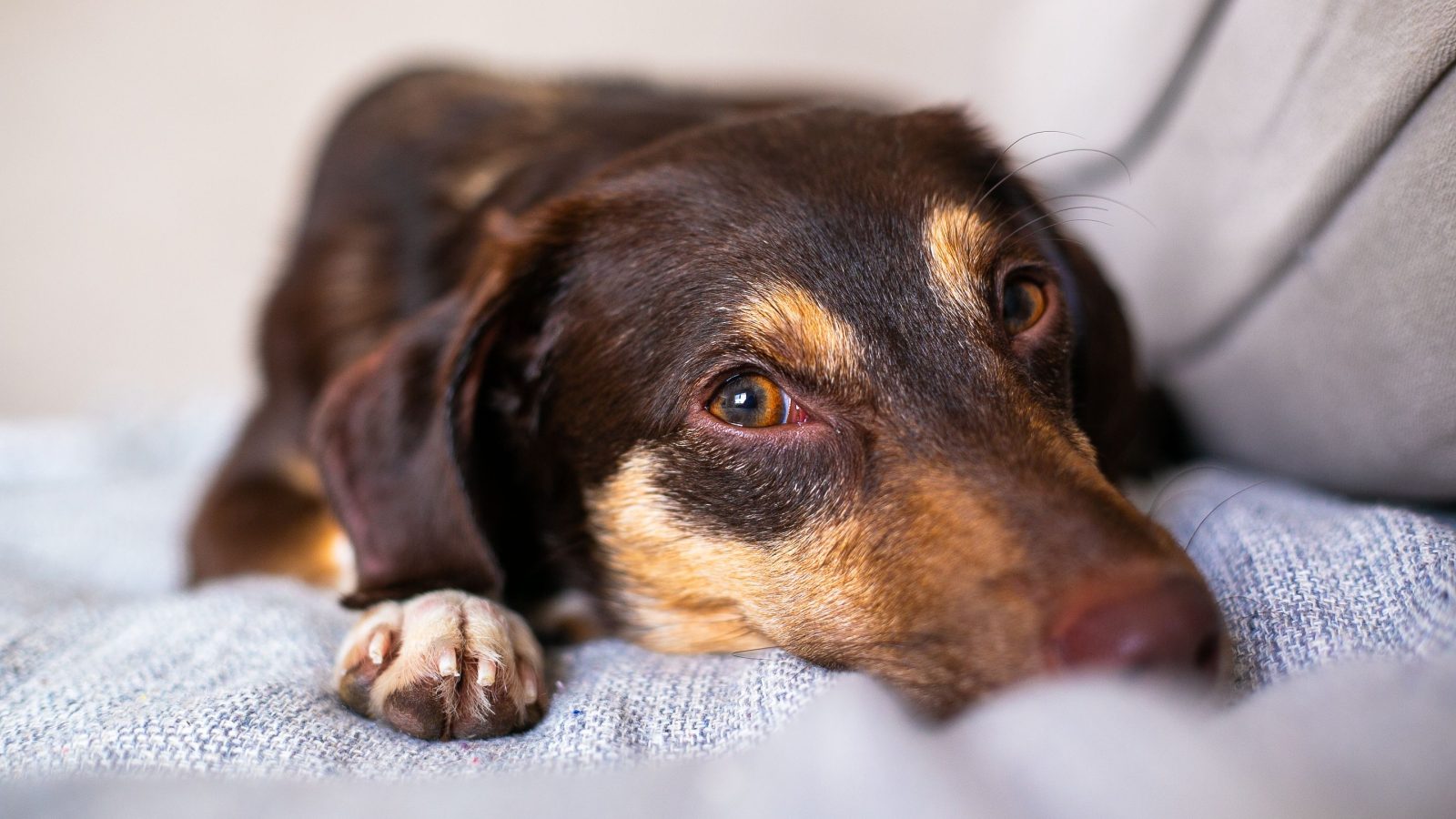

Every dog owner has experienced it. Your dog suddenly vomits, then looks at you as if nothing happened and heads straight for the food bowl.
Sometimes it’s nothing serious. Other times, it signals a medical emergency.
The most important thing to remember is that vomiting is a symptom, not a diagnosis. Knowing what to look for helps you decide whether to monitor your dog at home or seek veterinary care straight away.
This guide provides general information only. If you are ever unsure, contact your veterinarian or an emergency animal hospital. It is always better to ask for advice than to wait too long.
Vomiting or regurgitation? Know the difference
Not everything that comes back up is vomiting.
Regurgitation
Regurgitation is passive. Food comes back up with little or no effort, usually shortly after eating.
Signs include:
- No retching or stomach contractions.
- Food looks undigested.
- Often linked to problems affecting the oesophagus.
Vomiting
Vomiting is an active process involving the stomach or intestines.
Common signs include:
- Lip licking or excessive drooling.
- Retching and abdominal heaving.
- Partially digested food.
- Yellow or green bile.
- White foam or grass.
If possible, note what happened, what the vomit looked like and when it occurred. This information is valuable for your vet.
When you can monitor your dog at home
A single episode of vomiting in an otherwise healthy adult dog is often not an emergency.
Common causes include:
- Eating too quickly.
- Trying a new treat.
- Scavenging food during a walk.
- Mild stress.
- Car sickness.
You can usually monitor your dog for 12 to 24 hours if they:
- Vomited once or twice but then stopped.
- Remain bright, alert and responsive.
- Drink water without vomiting.
- Have normal energy levels.
- Have no diarrhoea or only mild diarrhoea.
- Ate something that is unlikely to be dangerous, such as a small amount of cheese.
What to do at home
Give the stomach time to settle
Withhold food for two to four hours after vomiting.
Continue offering small amounts of fresh water regularly unless your vet advises otherwise.
Start with a bland meal
If vomiting has stopped, offer a small portion of:
- Plain boiled chicken breast without skin or seasoning.
- Plain white rice.
Feed roughly one-quarter of their normal portion.
Slow fast eaters down
Dogs that gulp food benefit from slow-feeder bowls or puzzle feeders.
Keep a record
Take a photo of the vomit if possible.
Also note:
- Time of each episode.
- Number of times your dog vomited.
- Presence of blood, grass, toys, bones or other foreign objects.
If your dog remains well for 24 hours, gradually return to their normal diet over the next two to three days.
When to call your vet the same day
Arrange veterinary advice if your dog:
- Vomits two or three times within 24 hours.
- Refuses more than one meal.
- Becomes quieter or less energetic.
- Develops diarrhoea.
- Has a history of stomach problems.
- Is younger than six months and vomits more than once.
- Is elderly or has kidney, liver or other chronic disease.
When to go to an emergency vet immediately
Some situations require urgent treatment.
Your dog cannot keep water down
Repeated vomiting quickly causes dehydration and electrolyte imbalances.
There is blood in the vomit
This includes:
- Bright red blood.
- Dark material resembling coffee grounds.
These signs may indicate stomach ulcers, severe irritation or internal bleeding.
Your dog is trying to vomit but nothing comes up
Dogs that pace, drool, have a swollen abdomen and repeatedly retch without producing vomit could be suffering from gastric dilatation-volvulus (GDV), commonly known as bloat.
This is a life-threatening emergency where every minute counts.
Your dog may have swallowed something dangerous
Seek immediate help if your dog has eaten:
- Socks or toys.
- Corn cobs.
- Cooked bones.
- Medication.
- Rat poison.
- Xylitol-containing products.
- Chocolate.
- Grapes.
Your dog appears to be in pain
Warning signs include:
- Hunched posture.
- Shaking.
- Crying when touched.
- Pale gums.
- Collapse.
- Extreme weakness.
Vomiting with diarrhoea in an unvaccinated puppy
Young puppies showing vomiting and foul-smelling diarrhoea require urgent veterinary assessment as these signs could indicate parvovirus.
You notice worms
Roundworms often resemble strands of spaghetti.
If you regularly see worms in vomit or faeces, speak to your vet about an appropriate deworming programme.
Prevention is always better
While not every case of vomiting is preventable, a few simple habits reduce the risk:
- Feed measured meals rather than allowing rapid eating.
- Keep toxic foods and medications out of reach.
- Prevent access to rubbish bins.
- Keep vaccinations and parasite control up to date.
- Introduce new foods gradually.
Most dogs recover quickly after a mild stomach upset. The key is recognising when vomiting is a temporary problem and when it signals something far more serious.
When in doubt, contact your veterinarian. Early advice often prevents small problems from becoming major emergencies.





Leave a comment