

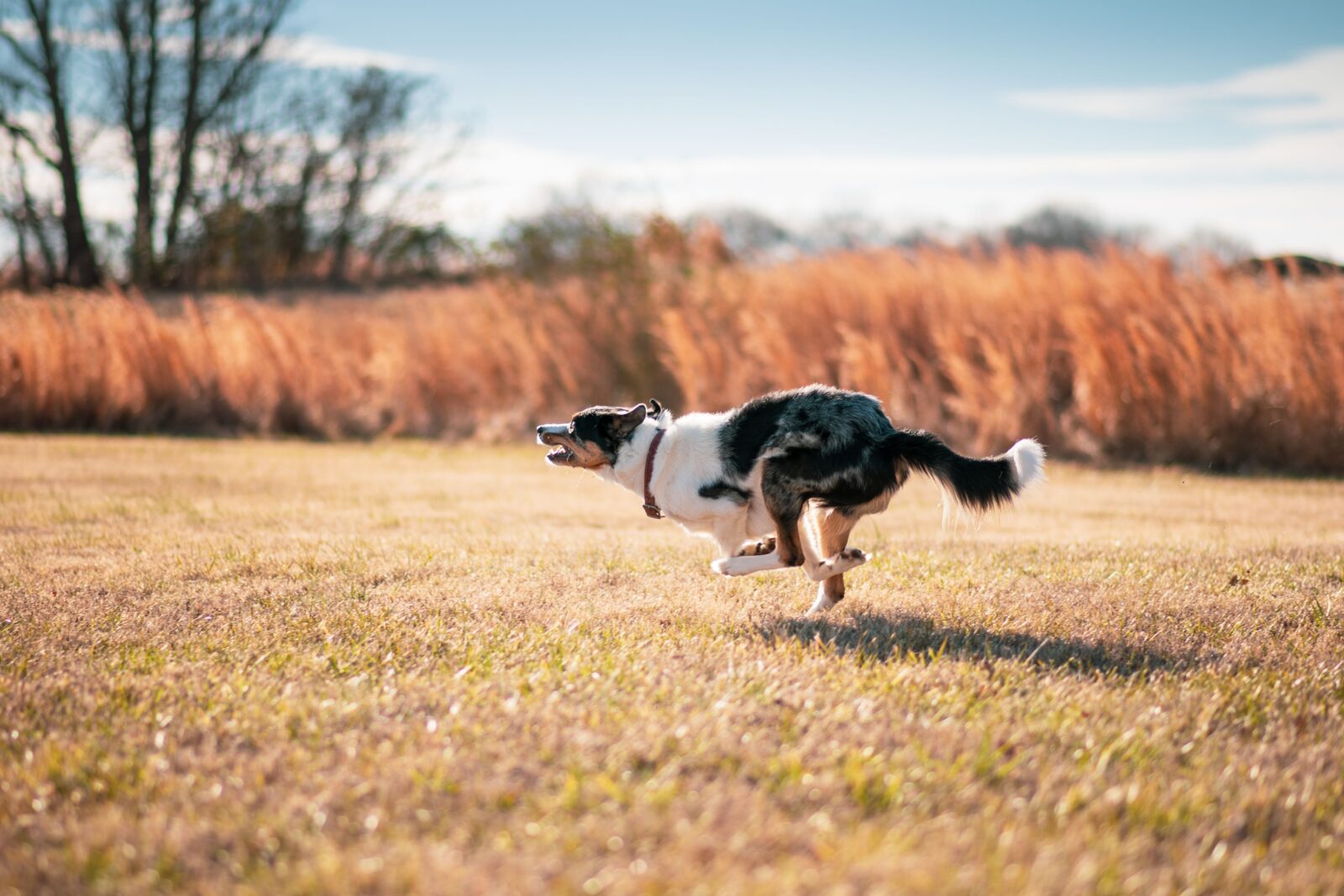

If your dog has ever suddenly bolted across the garden or living room at full speed, tail tucked and eyes wide with excitement, you have witnessed the famous zoomies.
One minute they are perfectly calm. The next, they are racing around the house or garden like they have somewhere very important to be.
Vets call these bursts of energy Frenetic Random Activity Periods (FRAPs) and, for the most part, they are completely normal. They can also be hilarious, provided nothing gets destroyed in the process.
But what happens when your dog’s seemingly endless energy does not switch off?
According to Dr Jan, consulting veterinarian for Bob Martin, there is a difference between a joyful case of the zoomies and behaviour that could indicate your dog is struggling to relax.
Why do dogs get the zoomies?
For the most part, zoomies are simply an expression of joy or a release of excess energy.
“In most cases, it is healthy and natural behaviour,” Dr Jan explains. “Dogs experience moments of exhilaration and physical release, and zoomies are their way of expressing it.”
Zoomies often happen after a bath, a nap or during playtime.
If your garden is secure or your living room is free of sharp corners and other potential hazards, letting your dog run can give them an opportunity to get that burst of energy out.
It is also a reminder of just how joyful and energetic our furry companions can be.
When zoomies could be more than play
The occasional burst of frantic running is one thing. Constant restlessness is another.
If your dog is frequently overly excited or cannot settle down after a walk, that behaviour may indicate underlying stress or anxiety rather than a simple burst of playful energy.
Like humans, dogs are not immune to nervous tension.
Changes in routine, separation from their owners, loud environments, travel, grooming visits and even boredom can leave them struggling to settle.
That is when owners may need to take a closer look at their dog’s behaviour, says Dr Jan.
“In some companion animals, what looks like excessive energy may actually be a sign that they are struggling to relax. Supporting their ability to remain calm can make a meaningful difference to their overall wellbeing.”
How can you help your dog calm down?
If stress appears to be behind your dog’s behaviour, gentle calming support may help.
Dr Jan suggests taking your dog to the vet ahead of stressful situations such as travel, thunderstorms, fireworks or other changes in routine.
Calming support, however, works best alongside good everyday habits.
Training in socialisation and basic obedience, together with regular exercise, mental stimulation and a predictable routine, can all form part of supporting your dog’s ability to settle.
The important thing is to pay attention not only to the zoomies themselves, but also to what happens afterwards.
So enjoy those goofy laps around the garden. Film them if you can. In many cases, they are simply your dog expressing excitement and happiness.
But if your best friend regularly seems unable to switch off once the fun is over, it may be worth looking more closely at what is driving that restless behaviour and supporting their ability to feel calmer and more settled.









Leave a comment