



Microchipping pets in South Africa is the most effective way to reunite lost dogs and cats with their owners. During National Pet ID Week, animal welfare groups urge pet owners to act now and ensure their pets can be identified if they go missing.
Losing a pet happens fast. A gate is left open. A cat slips outside. Within minutes, your pet is out of sight with no way for someone to contact you. Across South Africa, thousands of animals go missing each year, and many never return home.
Organisations like TEARS Animal Rescue see this daily. Their data shows one simple truth. Microchipping gives pets the best chance of getting back home.
Also read:
The reality of lost pets in South Africa
The numbers show how serious the issue is.
According to the Cape of Good Hope SPCA, fewer than 10 percent of lost pets arriving at their facilities are microchipped. The State of Pet Homelessness Project reports that only 21 percent of dogs and 22 percent of cats in South Africa have microchips. Only about one third of lost pets are ever found.
South Africa also has an estimated 4 million stray animals. That is around 22 percent of all companion animals in the country.
These figures highlight a clear gap between pet ownership and responsible identification.
Why microchipping works
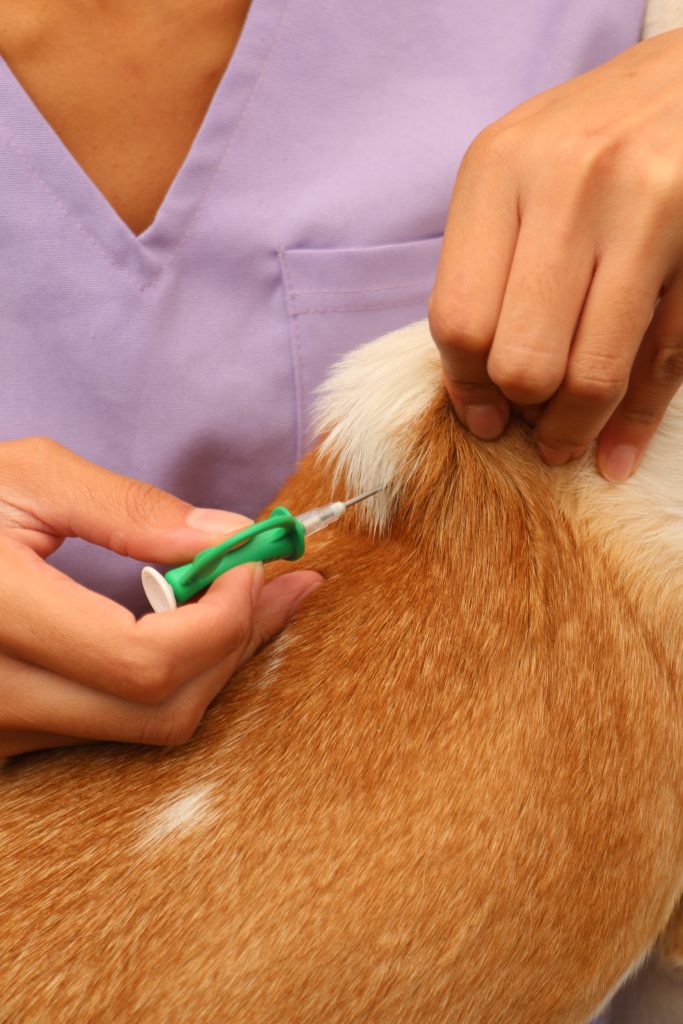
A microchip is a small device placed under your pet’s skin. It carries a unique number linked to your contact details in a database.
When a lost pet is found, a vet or shelter scans the chip and contacts the owner.
Microchipping works because:
- It cannot fall off like a collar or tag
- It lasts for your pet’s lifetime
- It gives shelters a direct way to contact you
- It increases the chance of reunion significantly
A chip is only as good as your details
Many pet owners assume once a pet is chipped, the job is done. This is not true.
Studies show:
- 35.4 percent of microchipped pets have incorrect contact details
- 9.8 percent are never registered at all
If your phone number changes or you move house, your pet becomes harder to trace. Keeping your details updated is critical.
Real story: how a microchip brought a pet home
TEARS shared the story of Padfoot, a cat lost for seven years after moving from Dubai to South Africa.
He was found living just 50 metres from home. His microchip still held his original details. This allowed rescuers to track down his family and reunite them after years apart.
Stories like this show how microchipping turns near-impossible situations into real reunions.
What to do during National Pet ID Week
National Pet ID Week runs from 17 to 23 April. This is the best time to take action.
Here is what you should do:
- Get your pet microchipped if not already done
- Ask your vet to scan your pet’s chip
- Check your contact details on the registry
- Update any outdated information
- Encourage other pet owners to do the same
TEARS offers microchipping at an affordable rate, helping remove cost as a barrier.
Quick checklist for pet owners
- Your pet has a registered microchip
- Your phone number is correct
- Your address is up to date
- Your pet’s details are linked to you
- Your vet has scanned the chip recently
Where to take action in South Africa
You can microchip your pet at:
- Local vets in Cape Town, Johannesburg and Durban
- Animal welfare centres like TEARS Animal Rescue
- SPCA branches across South Africa
Most clinics complete the process in minutes.
Is South Africa safe for pets
Pet safety in South Africa depends on preparation. High numbers of stray animals and urban movement increase the risk of pets getting lost. Microchipping is one of the most effective safety steps you can take.
FAQs
Is microchipping pets safe
Yes. The procedure is quick and similar to a vaccination. It causes minimal discomfort.
What is a pet microchip
A microchip is a small electronic device inserted under your pet’s skin that stores a unique ID number linked to your contact details.
How much does microchipping cost in South Africa
Costs vary, but organisations like TEARS offer microchipping from around R100.
Why is microchipping important
It gives lost pets a direct link back to their owners, increasing reunion chances.
How do I check if my pet is microchipped
Ask your vet to scan your pet. This takes a few seconds.
What happens if my details are outdated
Shelters may not be able to contact you, reducing the chance of your pet returning home.
Can a microchip track my pet
No. It does not track location. It only stores identification details.
Also read:









Leave a comment