
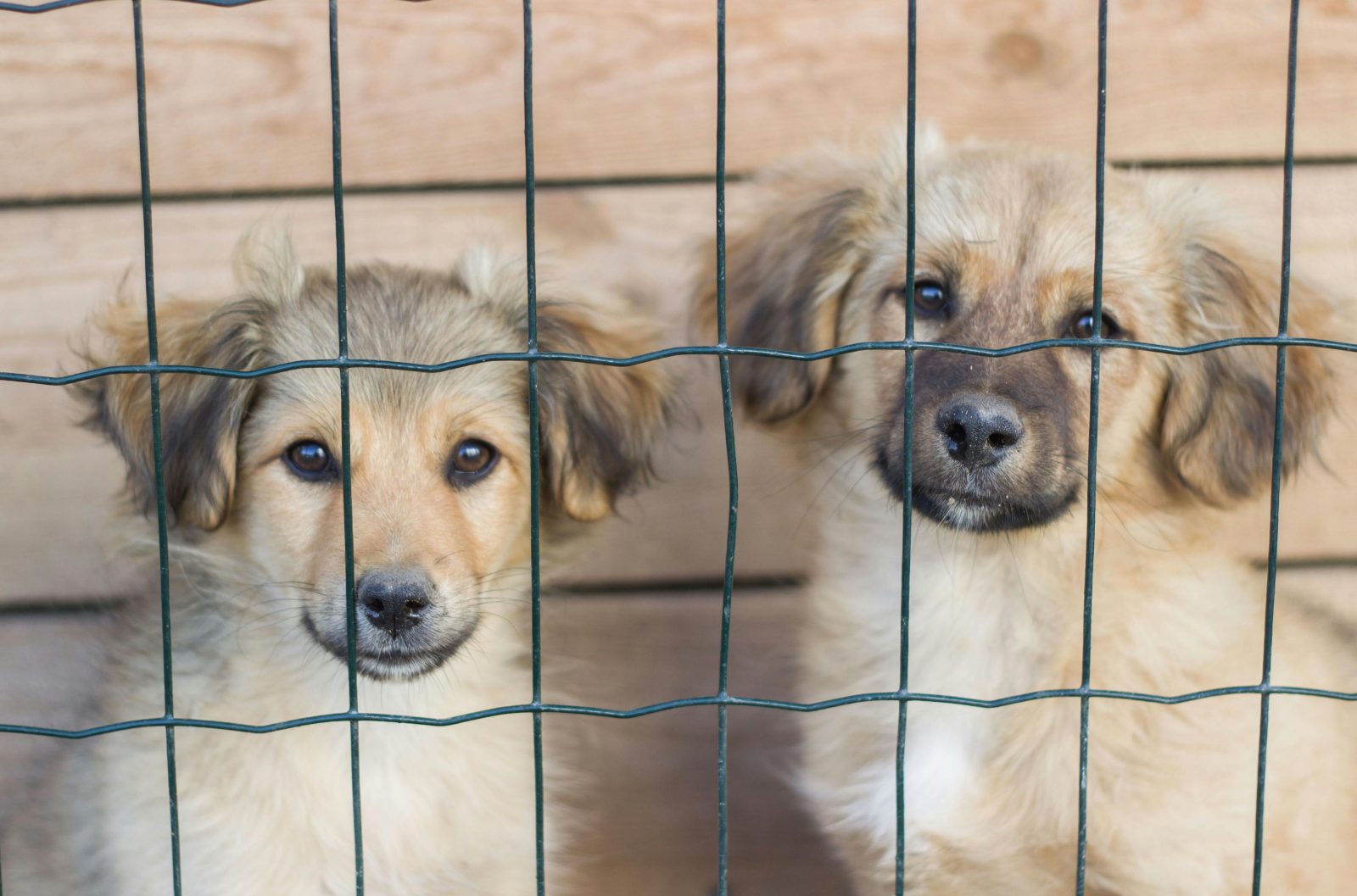

We often hear people say they are “buying” or “getting” a pet from the SPCA. We gently correct this, not to be pedantic, but because words matter. Animals are adopted from the SPCA. When you adopt an animal, you recognise their value as living beings, not commodities.
This reflects the responsibility that comes with welcoming an animal into your family.
Why is there an adoption fee?
Adoption fees are often misunderstood. The fee that must be paid when an animal is adopted from the SPCA is not a price tag for the animal. It covers the essential care every responsible owner should provide, as well as that which the SPCA has provided for the animal while in its care.
The fee includes vaccinations, sterilisation, parasite control, and identification, like microchipping. These procedures are non-negotiable because they are vital to an animal’s health and well-being.
SPCAs in South Africa do not receive government funding. Many lack in-house veterinary facilities and must rely on private veterinarians. Sterilisation alone can cost more than the adoption fee itself, particularly for female animals. Every adoption fee goes directly back into caring for animals already in the SPCA’s protection and those yet to be rescued.
How much does adoption cost?
Fees vary between SPCAs depending on veterinary arrangements and services provided. What remains consistent is that all SPCA adoptions include sterilisation. This is mandatory and central to preventing overpopulation and future suffering.
This is also why many SPCAs will only allow people to adopt a puppy or kitten once the animal has been sterilised. Sterilisation of animals is essential to combat the severe crisis of pet overpopulation, which leads to thousands of unwanted animals being abandoned, neglected, or euthanised.
Does the cost discourage adoption?
It shouldn’t! In practice, animals adopted from SPCAs are effectively “free”. The fee simply offsets necessary medical and welfare costs. When compared with the often- hidden expenses of animals obtained from breeders, online classifieds, or pet shops, SPCA adoption makes both ethical and financial sense.
What if someone cannot afford the fee?
Being unable or unwilling to pay an adoption fee may indicate future challenges in providing adequate food, veterinary care, and shelter. Adoption is a long-term commitment, and the ability to meet an animal’s needs must come first. Why are there no discounts?
Adoption fees are standardised to ensure fairness and consistency. Whether an animal arrived sterilised or is a small or large breed, the fee supports the SPCA’s broader welfare work. Haggling over costs raises concerns about whether an adopter fully appreciates the responsibility involved in caring for an animal.
What is a home check, and why is it required?
Home checks are a legal requirement and an essential part of responsible adoption. They allow the SPCA to ensure the environment is safe, secure, and suitable for the animal. We also consider other pets, children, and the adopter’s lifestyle to reduce the risk of failed adoptions.
Follow-up inspections are conducted after adoption and annually thereafter. These checks exist to protect the animal, not to burden adopters.
Why are contracts necessary?
Adoption contracts safeguard the animal’s future. They ensure that if circumstances change, the animal is returned to the SPCA rather than abandoned, sold, or neglected. Responsible adopters understand that this is about accountability and care.
Adopting from an SPCA is not an impulse decision. It is a considered, compassionate choice that saves a life and supports animal welfare across South Africa.
Why was the adoption application denied?
Some people think the SPCA is too strict in approving adoption applications. Others think we don’t actually want to rehome the animals in our care! Neither of these beliefs is true. Every SPCA’s greatest dream is to rehome all the animals in their care into loving, happy, forever homes.
However, SPCAs need to be responsible when they rehome animals. They need to ensure that prospective adopters can afford private veterinary care for the animal they adopt, that the existing animals will get along with the newly adopted animal, and that the prospective adopters’ lifestyle and household suit the newly adopted animal’s temperament, breed, and energy levels.
We want to make sure that when an animal is adopted, they can live the rest of their lives happy and loved.
As a responsible animal guardian, South Africa’s animal welfare system is already overwhelmed by stray and unwanted animals. When an animal is adopted from the SPCA, it is critical that the new animal guardian be able to care for their animal.
The SPCA opposes anyone keeping an animal they cannot look after. Sadly, animals don’t have a choice about where they get to live and with whom – it is up to the animal guardian to only take on animals that they can responsibly care for. This includes:
- Providing veterinary care when necessary, including treatment for parasites like worms and fleas
- Keeping annual vaccinations up to date
- Feeding a nutritious, age- and species-specific diet
- Providing your animal with emotional and behavioural enrichment
- Allowing your animal to express normal behaviour
- Providing clean, fresh water every day
- Making sure your animal has up-to-date identification
- Keeping your animal safely within the boundaries of your property to prevent them from roaming (this excludes chaining or caging an animal)
- Spending quality time with your animal, which includes exercise, grooming, and training
Adopting an animal is an exciting event! It means bringing a new family member into your home. The SPCA encourages all prospective adopters to ensure they are emotionally and financially ready to provide the right care for an animal before adopting. After all, an animal is a lifelong commitment.
For more information, please contact the National Council of SPCAs (NSPCA). Call us on 011 907 3590 or email us at nspca@nspca.co.za. You can also visit our website for more: www.nspca.co.za.






Leave a comment