



By Ester Ochse, Product Head, FNB Integrated Advice
Planning for your pets forms part of responsible estate planning. It ensures they receive proper care, both day to day and over the long term, if you are no longer there to provide for them.
Planning for long-term care
Animals are a lifelong commitment, and estate planning should account for both routine care and unexpected costs. These include annual vaccinations, food and nutrition, veterinary care, and possible medical emergencies or insurance.
These expenses can add up to thousands of rands each year, so it is important to make provision through savings, investments or life cover.

Practical ways to provide for your pets
There are several ways to ensure your pets are cared for when you are no longer around.
A cash settlement allows you to leave a lump sum to a trusted person who will take over your pet’s care. This option depends on choosing someone who will provide the same level of care and attention.
A testamentary trust offers more structure. It allows you to allocate funds specifically for your pet’s care, with oversight to ensure the money is used as intended. As Carin Meyer, Product Head: Wills and Deceased Banking, FNB Fiduciary, explains, “an annual trust administration and trusteeship fee of 1.24% applies, subject to a minimum fee of R5 218.”
Factoring in these costs helps ensure long-term financial planning remains accurate.
You can also appoint a caregiver in your will. This provides clear instruction on who will take responsibility for your pets, removing uncertainty and avoiding disputes among family members or decisions being left to the courts.

Consider your pet’s lifespan
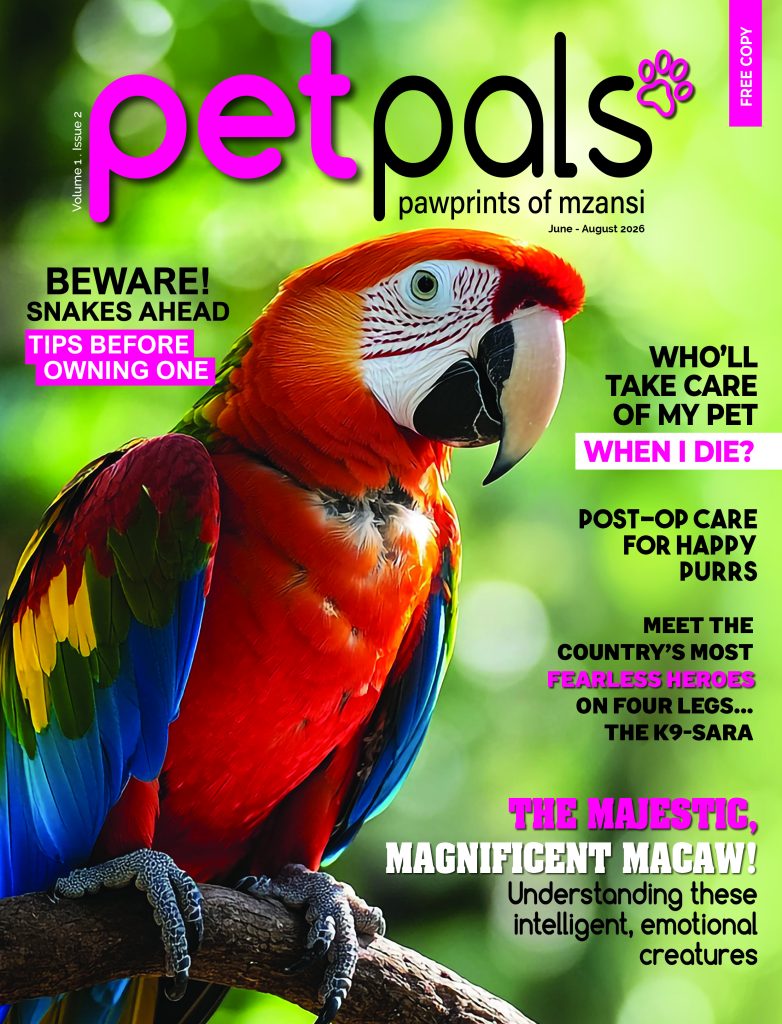
Planning should take into account how long your pet is likely to live. Cats and small dogs may live up to 20 years, while parrots can live as long as 60 years.
This makes long-term financial planning essential to ensure consistent care throughout their lives.
A final responsibility
Pets depend entirely on their owners for care and protection. Including them in your estate plan ensures they remain safe, supported and cared for, even in your absence.









Leave a comment