

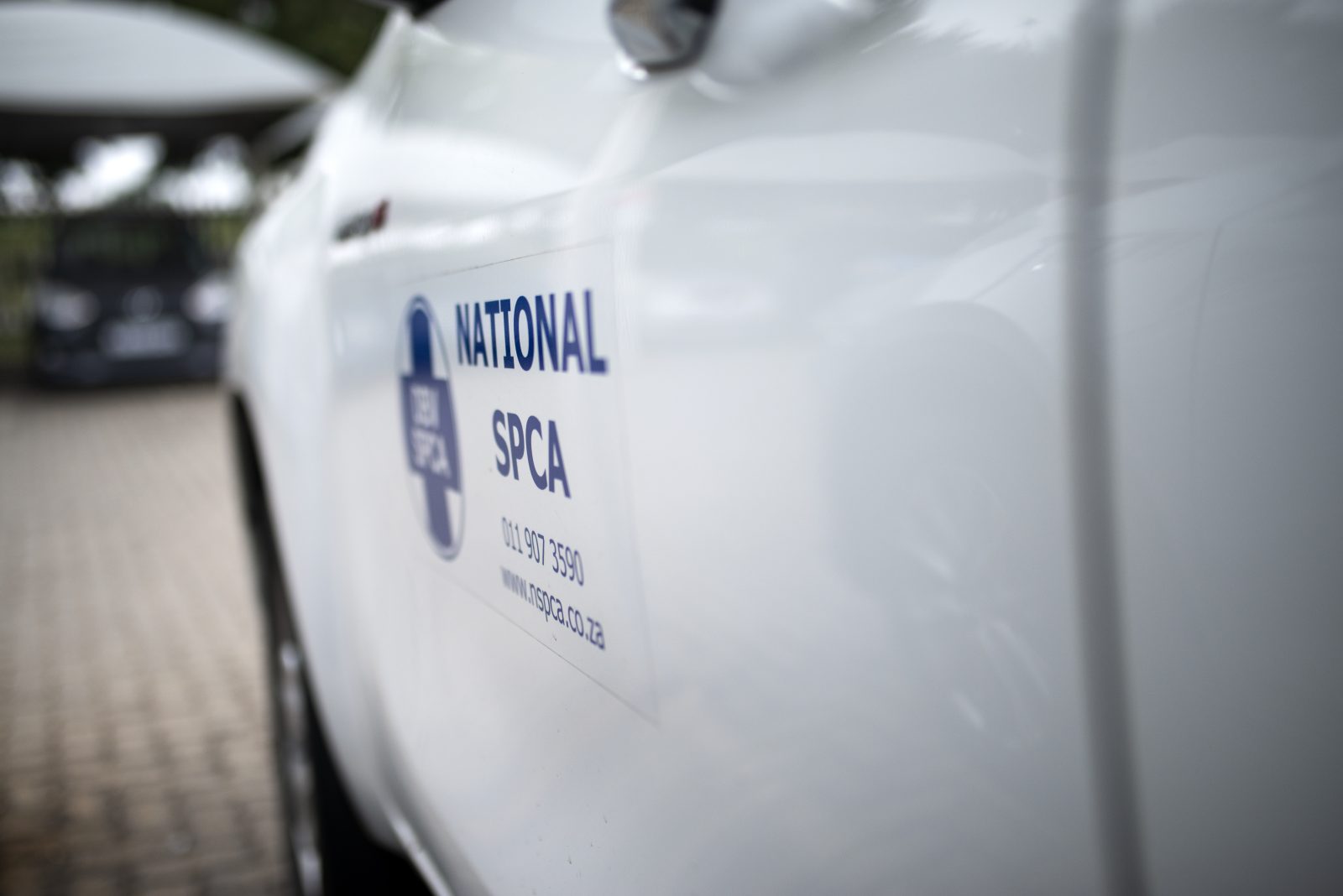


Animal welfare in South Africa does not rest on the shoulders of the National Council of SPCAs (NSPCA) alone. Every day, our ability to protect animals is strengthened by ordinary people who notice when something is wrong and choose to act responsibly. From reporting cruelty to making ethical choices, public involvement remains one of the most effective ways to prevent suffering.
Animal protection works best when communities stay alert, informed and compassionate.
Be aware of the animals around you
Many cases of animal cruelty, neglect or injury are first identified by members of the public. Concerned neighbours, motorists and passers-by often spot animals in distress before authorities are aware of a problem.
Not every concerning situation involves deliberate cruelty, but animals may still need help. Animals injured in road accidents, transported in unsafe conditions or left unattended for extended periods are all at risk. Paying attention and trusting your instincts can save lives.
Learn what to look out for
Understanding the signs of distress helps ensure that genuine welfare concerns are reported accurately. Warning signs may include:
• Visible wounds or untreated injuries
• Limping or difficulty moving
• Extreme thinness or dehydration
• Hair loss, sores or skin infections
• Animals confined in dirty, overcrowded or unsafe spaces
It is important to recognise that not all thin animals are neglected. Some medical conditions affect appearance, and not all cases involve abuse. Observing whether care, shelter and food are being provided is key to responsible reporting.
Know who to contact
Confusion about who to call often delays intervention. The NSPCA investigates animal cruelty, neglect and abuse under the Animals Protection Act.
Issues such as nuisance barking, noise complaints, or roaming animals generally fall under municipal bylaws and should be reported to local authorities or the Metro Police.
In urgent situations, phone calls are always more effective than emails or social media messages, which are not monitored continuously.
Provide clear, useful information
Accurate details allow inspectors to respond quickly and effectively. When reporting a case, try to note:
• Exact location or address
• Time and date
• Description of the animal and situation
• Vehicle registration numbers, if relevant
• Photos or videos, where safe and legal to obtain
If possible, make notes at the scene. Clear information helps protect animals and strengthens investigations.
Set an example at home
Responsible pet ownership goes beyond affection. It includes:
• Regular veterinary care
• Sterilisation
• Vaccinations and parasite control
• Proper shelter and enrichment
• Secure containment and identification
Microchipping is strongly recommended. When people care for their own animals responsibly, they set visible standards that influence others.
Make ethical choices outside the home
Many attractions marketed as entertainment involve animals in stressful or unnatural situations. Activities such as petting wild animals, riding elephants or ostriches, or posing for photos with captive wildlife raise serious welfare concerns.
Choosing ethical alternatives sends a clear message that animal exploitation is unacceptable.
Teach compassion early
Education plays a critical role in preventing cruelty. Teaching children empathy and respect for animals shapes long-term attitudes and behaviour. Leading by example is just as important as verbal lessons.
Supporting ethical practices and avoiding exploitative activities reinforces positive values that carry into adulthood.
Support animal welfare responsibly
SPCAs receive no government funding and rely entirely on public support. Donations, volunteering and responsible sharing of accurate information help sustain essential services.
Misinformation, online hostility and reckless criticism ultimately harm the animals who depend on welfare organisations for protection.
Animal welfare is a shared responsibility
Real change happens when communities work together. By staying alert, reporting responsibly, making ethical choices and supporting welfare efforts, the public plays a vital role in protecting animals from suffering.
Every action counts. Compassion, awareness and responsibility save lives.
For more information or to report animal cruelty, contact the National Council of SPCAs (NSPCA):
Phone: 011 907 3590
Email: nspca@nspca.co.za
Website: www.nspca.co.za





Leave a comment