


By Dr Carra Walter, owner of Hillcrest Veterinary Hospital, KwaZulu-Natal
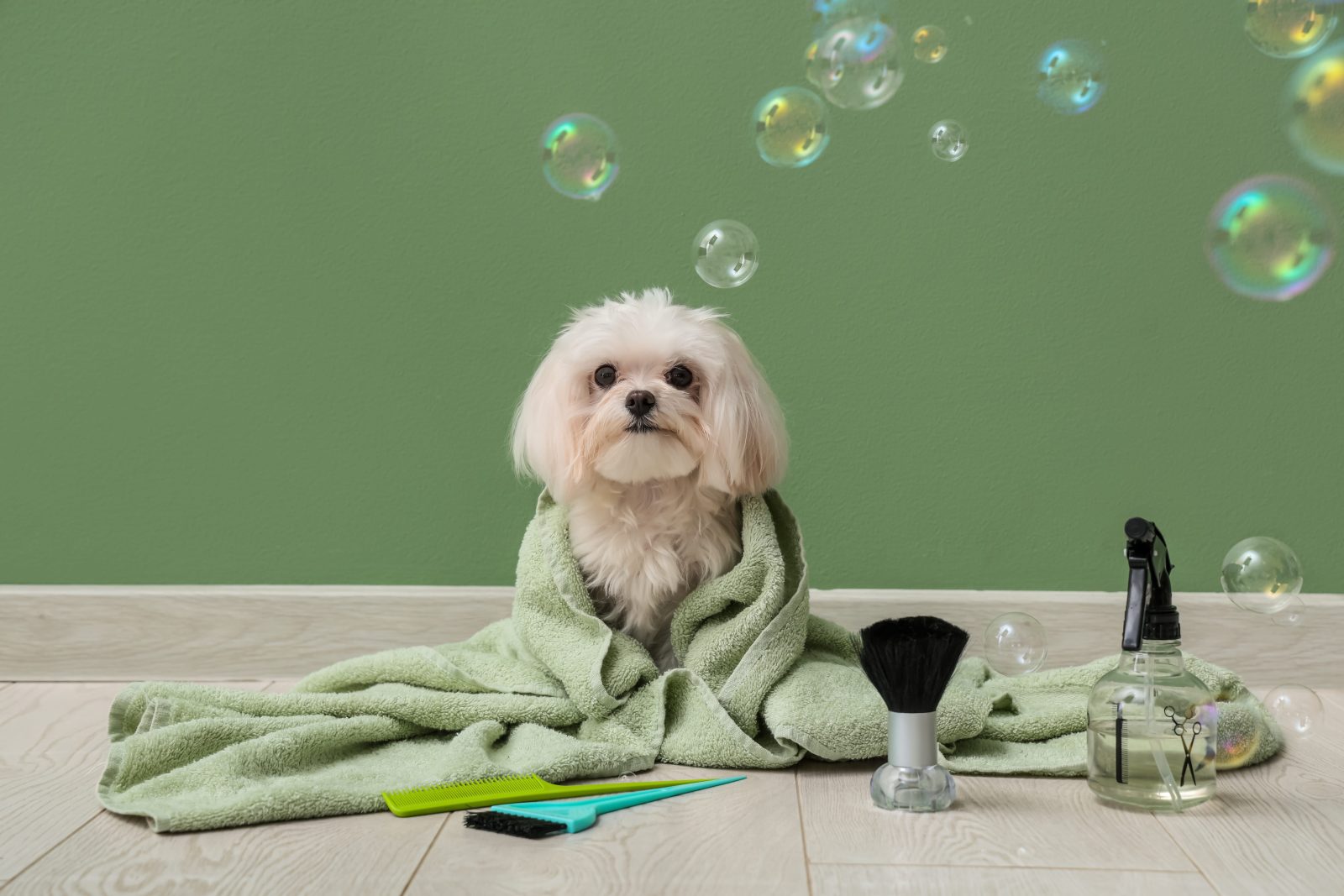
Regular grooming does far more than keep pets looking clean and tidy. According to Dr Carra Walter, owner of Hillcrest Veterinary Hospital in KwaZulu-Natal, grooming plays a vital role in maintaining a pet’s overall health, comfort and wellbeing.
From brushing and bathing to nail trimming and dental care, a consistent grooming routine helps detect health problems early while strengthening the bond between owners and their pets.
Every pet has different grooming needs
Dr Walter explains that grooming requirements vary depending on the species and breed.
Dogs generally require more regular grooming than cats, particularly long-haired or double-coated breeds such as Golden Retrievers and Poodles, which need frequent brushing to prevent mats and tangles. Regular bathing also helps maintain healthy skin and coats.
Cats are naturally excellent groomers, but long-haired breeds still benefit from daily brushing to prevent matting. Even short-haired cats should be brushed weekly to remove loose hair and allow owners to check for lumps, ticks or skin problems.
Other pets also have unique grooming needs. Rabbits require regular checks for matting, particularly around their hindquarters, and routine nail trims. Birds benefit from nail and beak checks as well as occasional misting or bathing to keep their feathers in good condition.
Grooming supports better health
Regular grooming is also an important part of preventative healthcare.
Dr Walter says brushing helps reduce the risk of skin conditions such as hotspots and dermatitis while making it easier to detect parasites like fleas and ticks before they become a bigger problem.
Cleaning ears regularly reduces the likelihood of infections, particularly in dogs with floppy ears, while keeping nails trimmed helps prevent painful splitting and reduces the risk of lameness.
In many cases, routine grooming sessions also act as informal health checks that help owners spot changes before they become serious.
Senior pets need extra care
As pets get older, their grooming needs often increase.
Senior animals with arthritis or reduced mobility may struggle to groom themselves properly, making regular brushing even more important.
Dr Walter recommends using soft brushes and handling older pets gently, particularly around stiff or painful joints. Owners should also regularly check for pressure sores, matting and signs of incontinence while adapting bathing routines to suit their changing needs.
How often should you groom your pet?
There is no single grooming schedule that suits every animal, but Dr Walter offers some general guidelines.
Most dogs benefit from a bath every four to 12 weeks, while brushing ranges from daily for long-haired breeds to weekly for short-haired dogs.
Long-haired cats often need daily brushing, while short-haired cats usually require grooming once a week.
Nails generally need trimming every two to six weeks, depending on the pet’s breed, lifestyle and activity level.
Grooming builds trust
Grooming is about more than physical care.
Regular, gentle grooming helps pets become comfortable being handled, making veterinary visits less stressful and allowing owners to notice subtle health changes more easily.
It also provides valuable one-on-one time that strengthens the relationship between pets and their owners.
Grooming basics every owner should know
Dr Walter recommends following a few simple grooming habits to help keep pets healthy and comfortable:
- Use the correct brush or comb for your pet’s coat type and brush through to the skin without scratching.
- Check and clean ears and eyes regularly, especially if your pet is prone to problems.
- Learn how to trim nails safely or ask your veterinary team to demonstrate the correct technique.
- Always use shampoos and grooming products made specifically for pets.
- Include dental care as part of your grooming routine by brushing your pet’s teeth or offering dental treats.
Regular grooming is one of the simplest ways to support a pet’s long-term health. Every grooming session provides an opportunity to check for changes, prevent common health problems and spend quality time with a much-loved companion.






Leave a comment