

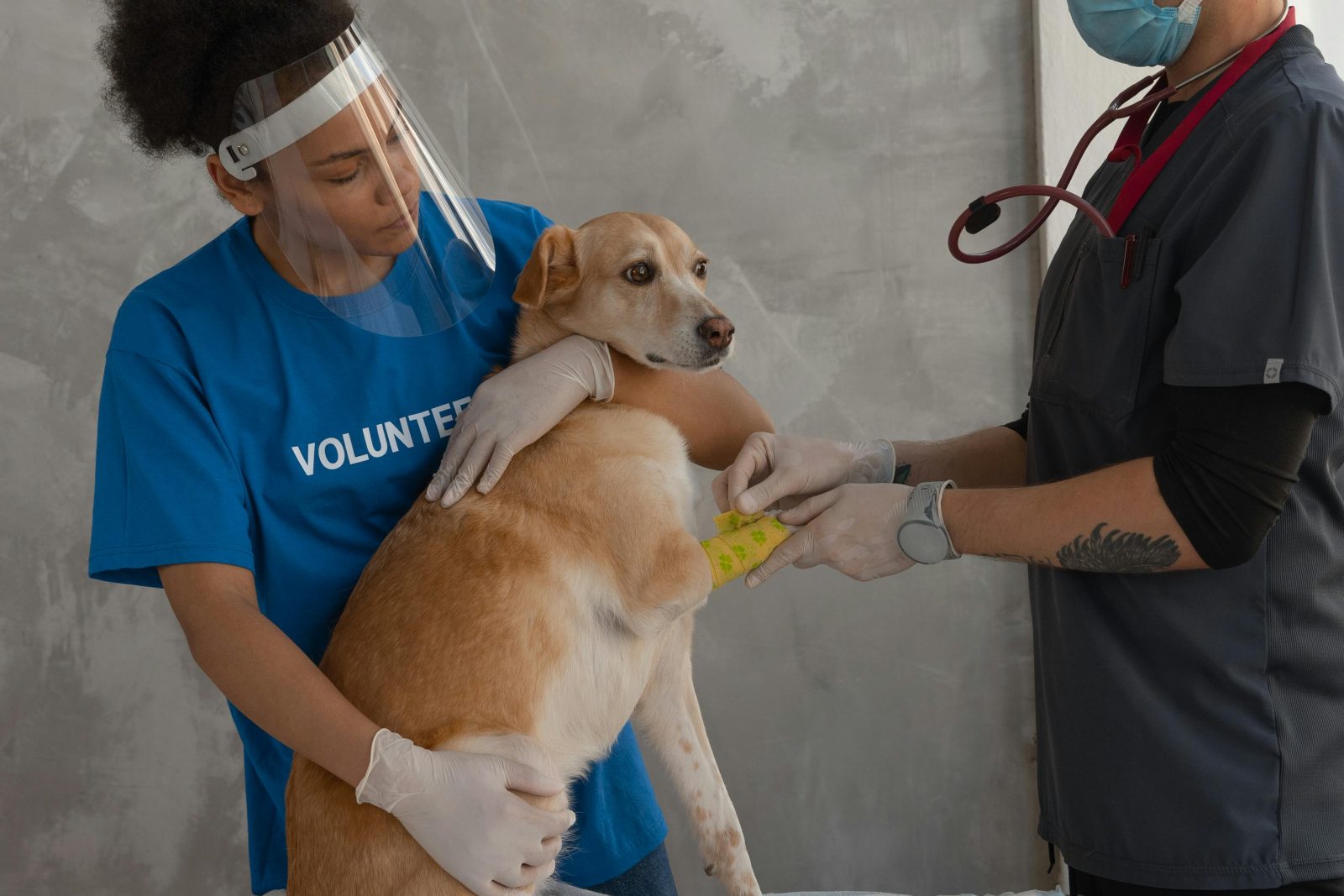

When it comes to our furry friends, we’d do almost anything to keep them happy and healthy. But vet bills can be daunting. That’s where pet insurance comes in, offering peace of mind when your pet needs care most. So, is it truly worth it?
Pet insurance can serve as a financial buffer, says Dr Carra Walters, veterinarian and owner of the 24-hour Hillcrest Veterinary Hospital in KwaZulu-Natal. “It allows owners to proceed with diagnostics and treatments without immediate financial constraints, especially in emergencies or when managing chronic conditions.” That means you can say “yes” to surgery or specialist care without checking your bank balance first.
In fact, studies in the UK and US show insured pet owners are more likely to support advanced procedures. Regular premiums also assist with budgeting, reducing the heartbreaking decision of euthanasia for financial reasons (known as EEDR).
The not-so-great bits
There are some important caveats. “Owners usually need to pay upfront and then wait for reimbursement, which can still be a barrier,” Dr Walters explains.
And insurance won’t cover everything, especially if your pet has a pre-existing condition or if your breed is prone to issues that are excluded. “Occasional disputes over what is ‘necessary’ or ‘covered’ can lead to frustration,” she adds, particularly with caps, sub-limits, and fine print that trip up many owners.
When insurance shines
Dr Walters explains that insurance can be a lifesaver for major trauma (such as car accidents or dog fights), chronic illnesses like diabetes, or expensive orthopaedic surgeries. It also helps owners pay for imaging, specialist referrals, and cancer treatments. “However, it’s less helpful for dental disease, elective procedures, or routine care like vaccinations – these are often excluded or barely covered,” she adds.
Tips for choosing
Dr Walters advises considering your pet’s breed, age, and lifestyle. “Highly active dogs or outdoor cats face a higher accident risk. And purebreds with known health issues are often better off insured.”
And read the fine print, watch for exclusions, and know that missing a payment could cost you coverage. Dr Walters adds that a pet emergency fund is an option, but as she warns, “this is rarely as effective for early, high-cost incidents.”
In the end, it’s all about being ready for the cuddles, the chaos, and those surprise vet visits.









Leave a comment