

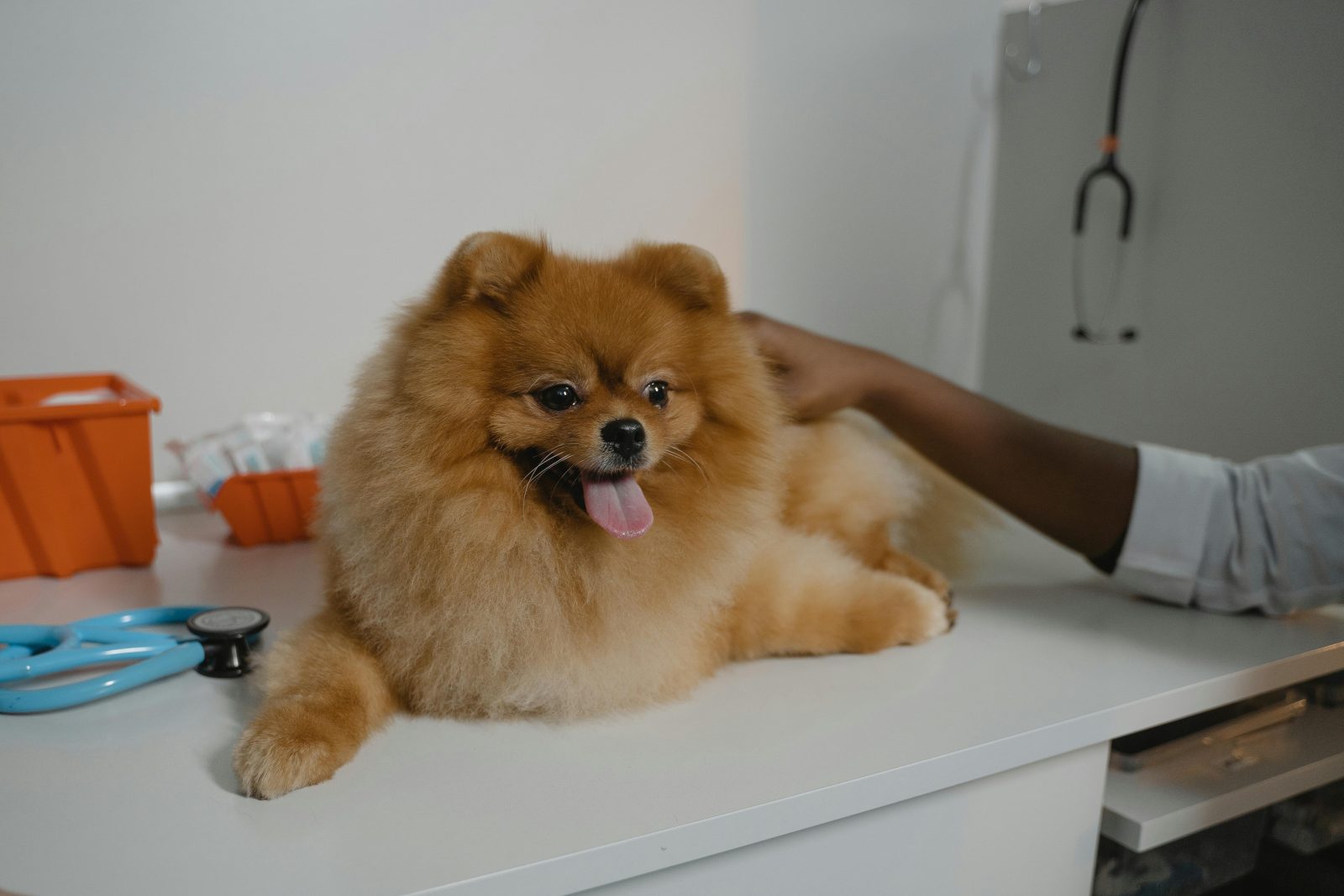

Sterilisation rarely gets the spotlight in pet parenting, yet few decisions have a greater impact on your pet’s health and on animal welfare in South Africa.
Beyond preventing unplanned litters, sterilising dogs and cats protects their long-term wellbeing and helps ease the pressure on shelters stretched beyond capacity.
South Africa faces a serious overpopulation crisis. Animal shelters are overwhelmed with abandoned and surrendered pets, many of them healthy animals born into circumstances where care was never guaranteed.
According to Allan Perrins, Fundraising and Communications Manager at the Animal Welfare Society of South Africa (AWS SA), sterilisation remains the only effective long-term solution to this problem.
Sterilisation as responsible pet care
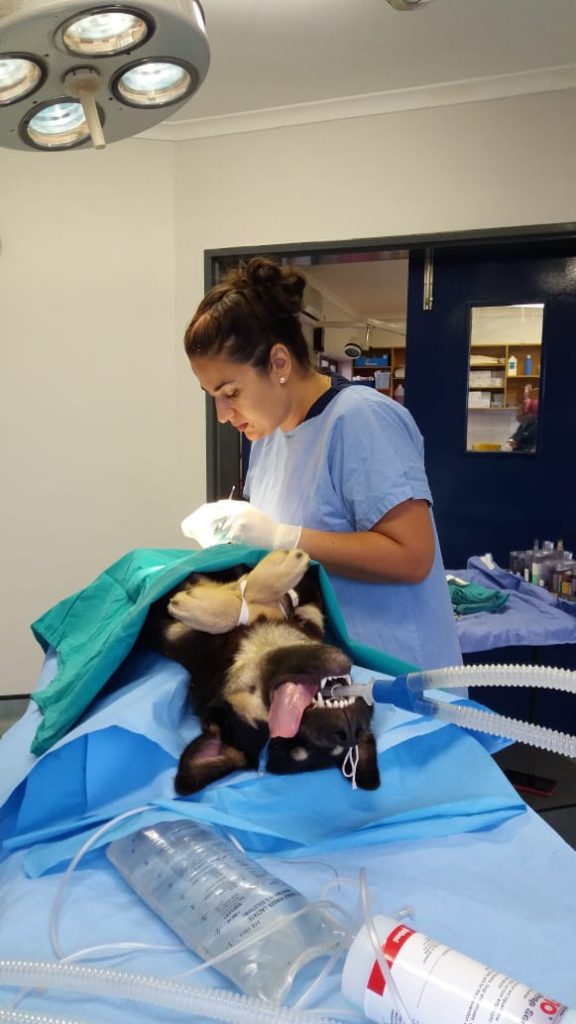
Responsible pet ownership goes beyond food, shelter and affection. It includes choices that prevent future suffering. Perrins explains that sterilisation, along with vaccination and microchipping, allows pet owners to make a real and humane contribution to reducing overpopulation.
Fewer unplanned litters mean fewer animals exposed to neglect, abuse or euthanasia. Every sterilised pet reduces the strain on shelters and welfare clinics already operating with limited resources.
Health benefits for dogs and cats
Sterilisation offers significant health advantages. In female pets, spaying reduces the risk of uterine infections such as pyometra, as well as reproductive tumours and mammary cancer. In males, neutering lowers the risk of testicular cancer and prostate disease.
Sterilised pets often live longer and experience fewer serious medical issues, helping owners avoid costly treatments later in life.
Early sterilisation is safe
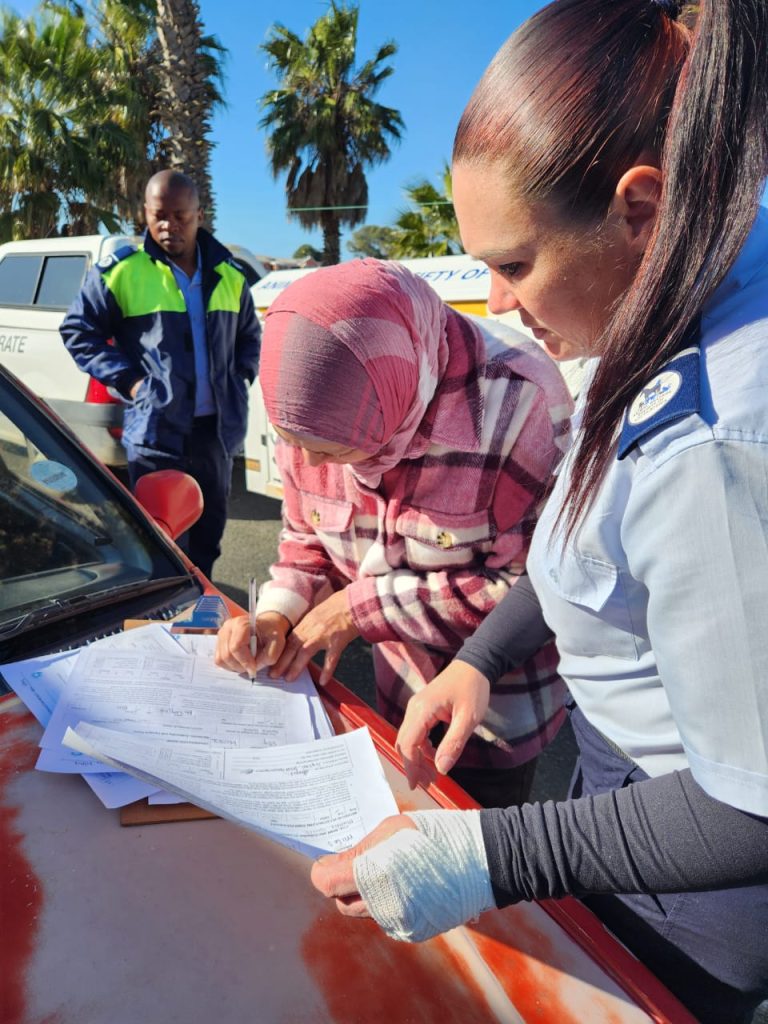
Many owners worry that their pets are too young for sterilisation. Veterinary evidence shows this concern is largely misplaced. Puppies and kittens can be safely sterilised from eight weeks of age when the procedure is performed by trained professionals.
Delaying sterilisation for a first litter offers no medical benefit and increases health risks over time.
Common myths, explained
Sterilisation myths continue to influence decisions. Perrins addresses the most common concerns:
• Personality changes are linked to reduced hormone-driven behaviours, not a loss of character
• There is no health benefit to allowing a pet to have one litter
• Low-cost sterilisation options are widely available through welfare organisations
• Backyard breeding often prioritises profit over animal wellbeing
• In the Cape Metro, sterilisation of cats and dogs over six months is required by law
What to expect from the procedure
Before sterilisation, pets may display behaviours linked to mating instincts, including roaming, marking and aggression. After the procedure, most animals become calmer and more settled.
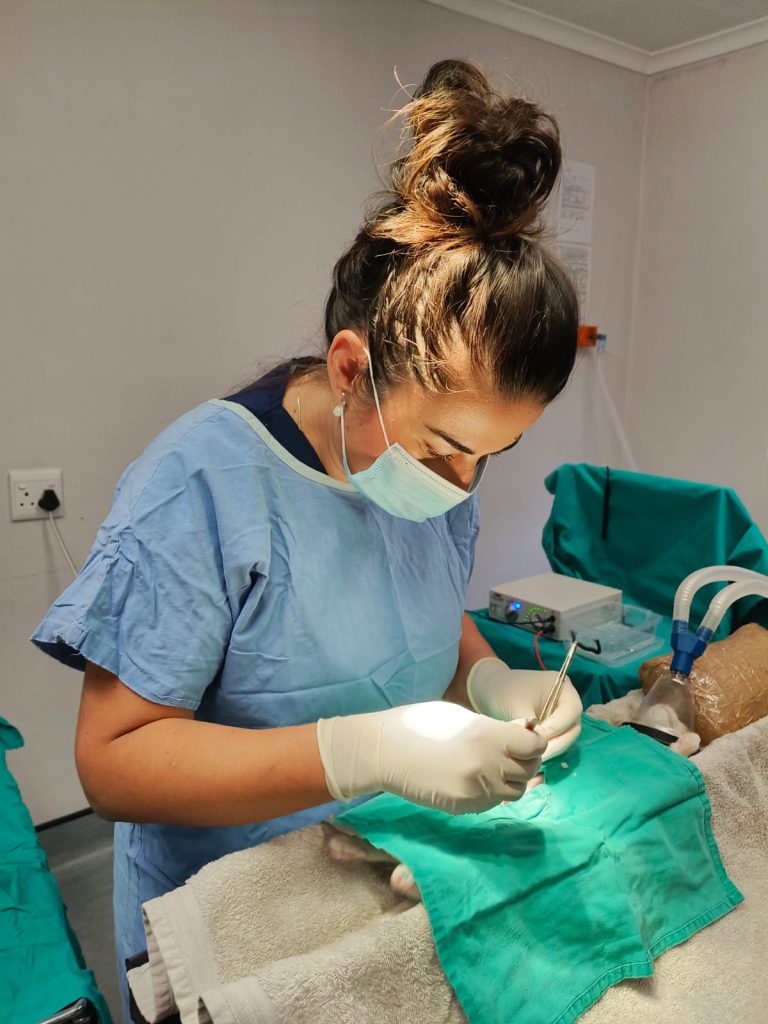
Sterilisation usually involves a short clinic stay, followed by simple home care while the incision heals. For most households, recovery is straightforward.
Supporting shelters under pressure
Preventing unwanted litters directly reduces the number of animals entering shelters. This allows welfare organisations to focus their resources on rescue, rehabilitation, and rehoming rather than on crisis management.
Healthier pet populations also mean fewer preventable diseases and lower demand on welfare veterinary services.
World Spay Day and how to help
World Spay Day takes place on 24 February. AWS SA is partnering with TEARS, Afri-Paw and TAH to sterilise around 500 cats and dogs, mainly in the Deep South.
AWS SA operates the only Mass Animal Sterilisation Clinic with four theatres running at full capacity.

Pet owners and supporters can help by donating towards sterilisation costs or contributing items such as blankets, food and leads. Donations can be made at https://awscape.org.za/donation-form. Drop-offs are accepted at AWS SA in Philippi and Forest Drive Veterinary Surgery in Pinelands.
Sterilisation is a simple procedure with far-reaching impact. It protects your pet’s health, supports overwhelmed shelters and helps build a more humane future for South Africa’s animals.







Leave a comment