



By Sr Chené Van Heereen (BVetNurs) at Valley Farm Animal Hospital
Why does it seem that our older cats and dogs struggle more to get up and move around on cold winter days? Why do we see this change and think that maybe they are cold or showing their age?
The problem is usually not them just getting older. The most common cause is arthritis and the signs of arthritis are more noticeable during colder months due to the temperature drop and joints becoming stiff and painful. As pet owners, we play a vital role in identifying the signs and providing comfort and quality of life.
Understanding arthritis
Arthritis is also known as osteoarthritis or degenerative joint disease (DJD). This is a chronic and progressive disease that affects the joints of animals. The disease process begins when the cartilage that covers the bone is gradually worn away in a joint which then causes the bones to rub against each other causing inflammation, discomfort and pain.
There is no cure for arthritis, but it can be managed by a combination of changing the home environment and appropriate veterinary care.
Recognising the signs
These signs can be very subtle and easily overlooked. Your pet doesn’t have to show all these signs to be affected by arthritis. If you notice any of these signs, it might be worthwhile to visit your veterinarian:
Signs of pain and discomfort:
- Limping
- Difficulty when standing up or lying down
- Reluctance to jump or climb stairs
- Reduced activity and sleeping more
- Unexpected changes in behaviour like aggression
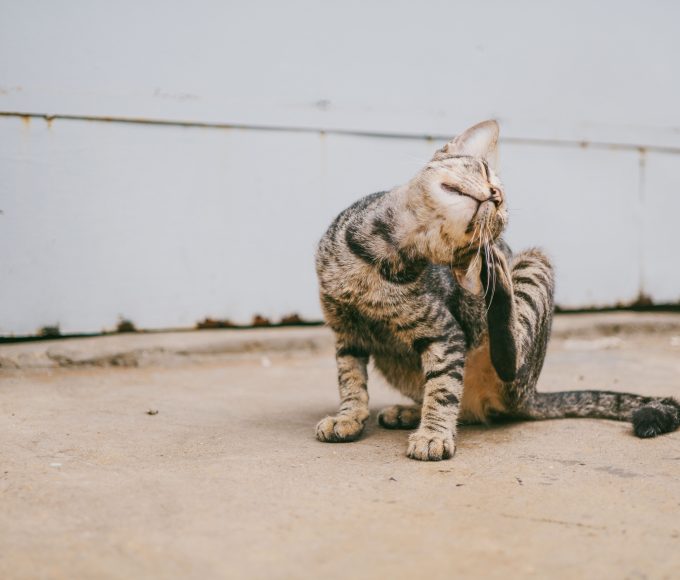
- Licking at painful joints
- Not enjoying activities they previously had such as going for walks.
Helping your pet stay comfortable this winter
- Home environment
Provide padded and soft bedding to cushion joints, ramps for easier access to furniture or to climb up stairs, make use of carpets or non-slip mats on tiles and laminated wooden floors to reduce slipping and make food and water bowls easily accessible. - Weight management
Excess body weight adds additional strain on the already painful joints which worsens the arthritic symptoms. Adhering to nutritional guidelines is very important to maintain a good body condition.
- Joint supplements
Supplements containing ingredients like glucosamine, chondroitin and omega-3 fatty acids aids in joint health and reduces inflammation. They are available in various options such as powders or liquids that you can sprinkle over their food, chews or injections done monthly at your veterinary clinic. - Physical rehabilitation
Physical rehabilitation may help reduce stiffness and overall range of motion. Low impact exercises can be done at home like regular leash walks for them to stay active and more advanced rehabilitation can be performed by a veterinary physiotherapist like hydrotherapy, laser therapy, and acupuncture. - Pain management
Pain relief is a key component of treating arthritis. A veterinarian will recommend which pain medication will be best suited for your pet’s individual needs. The most common medication that is prescribed is a non-steroidal anti-inflammatory (NSAIDs). Never give pets any human medications as this can be toxic to them.
As pet owners, we play a very important role in monitoring our pet’s quality of life and recognising when veterinary care is needed. With early intervention and proper management we can help reduce pain, keep them comfortable, active and have a better quality of life even during winter months so they can continue having a happy and treat-filled life.





Leave a comment