

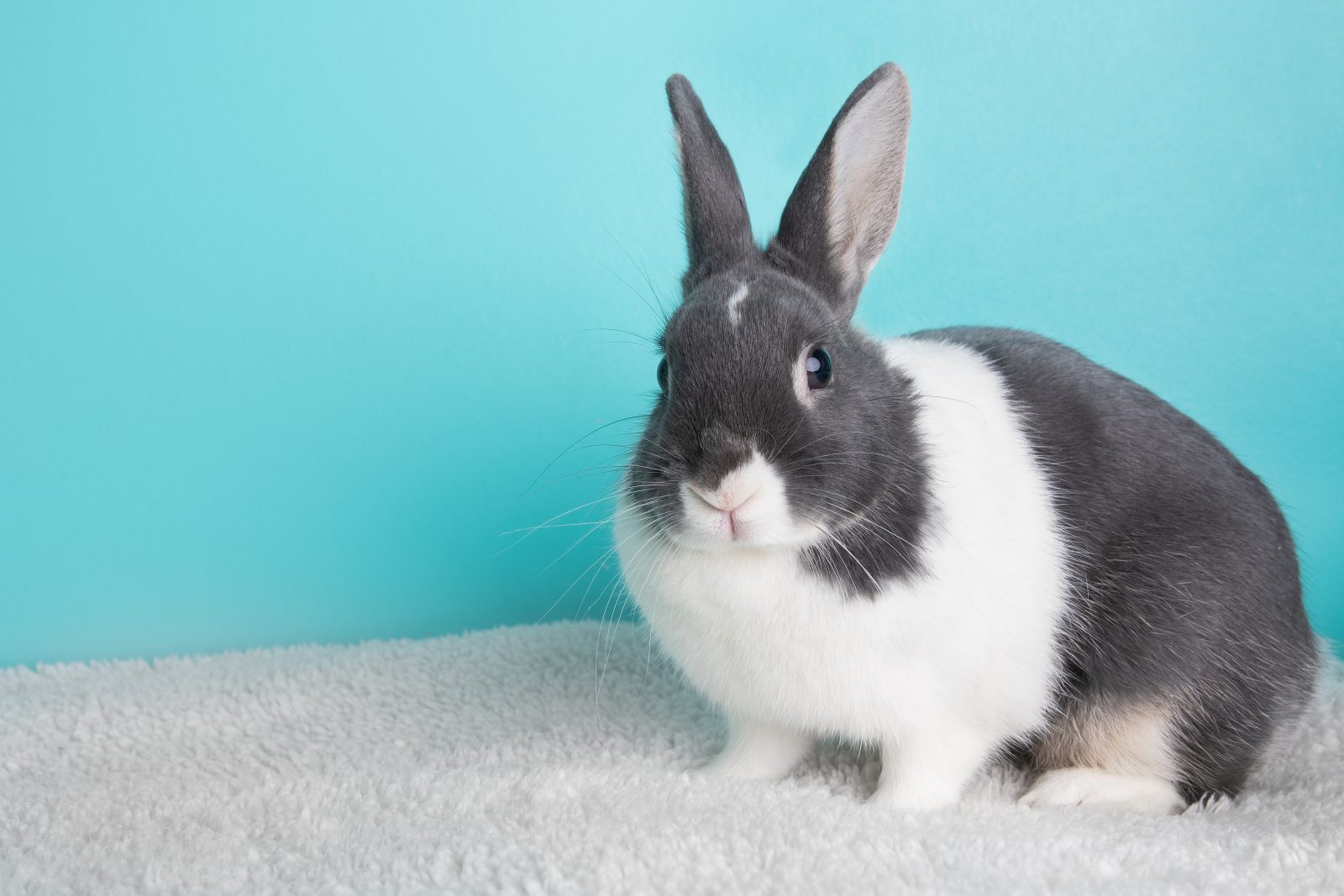

When it comes to keeping rabbits at home, the conversation is more complex than many people realise.
According to Fiona Miles, Director of FOUR PAWS South Africa, the organisation does not support buying rabbits as pets.
“FOUR PAWS is opposed to the keeping or buying of rabbits as pets, particularly since the vast majority are purchased from pet shops or breeders. Our priority is reducing demand and encouraging people to adopt responsibly from shelters where rabbits are already in need of homes.”
For people who have already adopted rabbits, the focus is on providing an environment that supports their welfare.
“The focus should be on ensuring a living environment that supports natural behaviours. Both indoor and outdoor conditions can be inappropriate if they do not provide appropriate shelter, space, social interaction, the correct nutrition and enrichment,” says Miles.
The challenges of indoor living
Keeping rabbits indoors protects them from traffic, predators and harsh weather, but it also limits their ability to express natural behaviours.
“Indoor environments rarely allow rabbits to express core natural behaviours without substantial adaptation,” explains Miles. “Digging, foraging, marking territory and exploratory behaviours are intrinsic to rabbit wellbeing, and indoor spaces restrict these.”
To encourage natural behaviours indoors, Miles recommends:
- Digging boxes filled with soil or safe substrate.
- Scatter feeding and safe foraging activities.
- Hiding spaces and multi-level structures.
While these additions help reduce boredom and frustration, she says they cannot fully replace natural conditions.
She also warns against keeping rabbits in small cages.
“Indoor cages and hutches, especially commercial ones, are inadequate and compromise welfare. At a bare minimum, indoor rabbits need a large, permanently accessible space that allows free movement, plus enrichment for hiding, resting, gnawing and exploring.”
Space matters
Modern homes, particularly smaller apartments, can make rabbit care more challenging.
“FOUR PAWS does not recommend bringing rabbits into limited-space environments, but for those already caring for rescued rabbits, space must be prioritised,” says Miles.
“Rabbits need enough room to hop, stretch, stand upright, and engage in play.”
Outdoor living also requires careful planning
Although outdoor enclosures provide opportunities to dig and explore, they are not automatically the better option.
“Outdoor access does provide opportunities to dig and explore,” says Miles. “However, care must be taken so that the rabbit does not dig under boundary fencing and escape into public areas, busy roads, or areas where there are predators, including dogs.”
She says outdoor enclosures should include:
- Secure fencing to prevent escape.
- Weatherproof shelter.
- Adequate space.
- Environmental complexity.
Outdoor rabbits also require regular supervision and ongoing care.
Welfare is more important than breed
Miles believes people should focus less on breed and more on meeting each rabbit’s welfare needs.
“Breed-specific suitability is a human-driven framework that reinforces the pet trade cycle, one we actively work to dismantle,” she says.
“For individuals already caring for rescued rabbits, welfare considerations matter more than breed.”
Regardless of breed, rabbits require space, companionship, good nutrition and opportunities to display natural behaviours.
Temperature and light are critical
Rabbits are highly sensitive to heat.
“High ambient temperatures can prove fatal to rabbits,” warns Miles. “Hot conditions and direct sunlight with no shade are distressing for rabbits as they cannot sweat effectively and do not increase water intake when hot. Temperature must be maintained between 15°C and 21°C.”
She says rabbits also need protection from rain, draughts and cold weather, with adequate bedding provided.
Light exposure is equally important.
“A rabbit’s access to light and dark should mimic a normal day, for instance, 14 hours light and 10 hours dark,” says Miles. “Providing an appropriate dark period is important for rabbit welfare, so they can show normal patterns of behaviour, as well as sleep and rest adequately.”
Enrichment is essential
For indoor rabbits especially, enrichment plays a key role in supporting physical and mental wellbeing.
Miles recommends providing:
- High-quality hay for exploration and hiding.
- Social interaction with other rabbits.
- Hay blocks, chew sticks and gnawing blocks.
- Tunnels, pipes, boxes and elevated platforms.
- Branches from non-poisonous, chemical-free trees.
- Plenty of space for hopping and play.
“Exercise is also important for the physical and mental health of rabbits,” says Miles. “A complex environment with opportunities to hide, retreat and explore makes all the difference.”
She adds that these measures help improve welfare but should not be seen as replacements for natural living conditions.
Putting rabbit welfare first
According to FOUR PAWS, rabbits are intelligent, social animals with complex needs.
For people who have adopted rescued rabbits, creating a safe, spacious and enriching environment is one of the most important ways to support their health and wellbeing.








Leave a comment